

Guide to Replacing Engine Mounts on a 1966-1970 Chevrolet Caprice
Keep your classic Caprice's V8 engine secure and running smoothly by understanding and replacing its aging engine mounts.
- Replacing original-style mounts is a critical safety upgrade due to a historic GM recall for engine mount separation.
- Choose standard rubber mounts (Anchor, DEA) for a stock ride or polyurethane (Energy Suspension) for better performance with more vibration.
- Always replace engine mounts in pairs to ensure proper engine alignment and prevent future failures.
- While DIY replacement is possible, it requires safely supporting the engine. When in doubt, consult a professional.
Symptoms of a Bad Engine Mount
When engine mounts wear out, the signs are hard to ignore. The rubber material cracks and hardens over time, losing its ability to dampen vibrations. Here’s what to look and listen for:
- Excessive Vibration: A noticeable increase in vibration, especially at idle or when the air conditioning is on, is a primary symptom. You might feel it through the steering wheel or the seats.
- Clunking or Banging Noises: Loud clunks or thumps from the engine bay, particularly when you accelerate, decelerate, or put the car in gear, are a tell-tale sign. This is the sound of the engine moving and hitting other parts.
- Visible Engine Movement: With the hood open, have a helper briefly rev the engine while the car is in park with the brake on. If you see the engine lift or rock significantly, the mounts are likely shot.
A Critical Safety Issue: The Historic GM Engine Mount Recall
In the late 1960s and early 1970s, GM issued a massive recall for millions of vehicles, including 1965-1970 Chevrolets, due to a dangerous engine mount design flaw. The original mounts could separate completely, allowing the engine to lift under torque. This could pull on the throttle linkage, causing the throttle to stick open, and potentially lead to a loss of vehicle control. All modern aftermarket mounts feature a safer, interlocking design that prevents this type of failure, even if the rubber degrades. Upgrading is not just about comfort; it's a critical safety improvement.
Choosing the Right Aftermarket Engine Mount
For your 1966-1970 Caprice, you have a few good options when it comes to new aftermarket mounts. The choice depends on your car's use and your preference for performance versus comfort.
Good: Standard Rubber Mounts
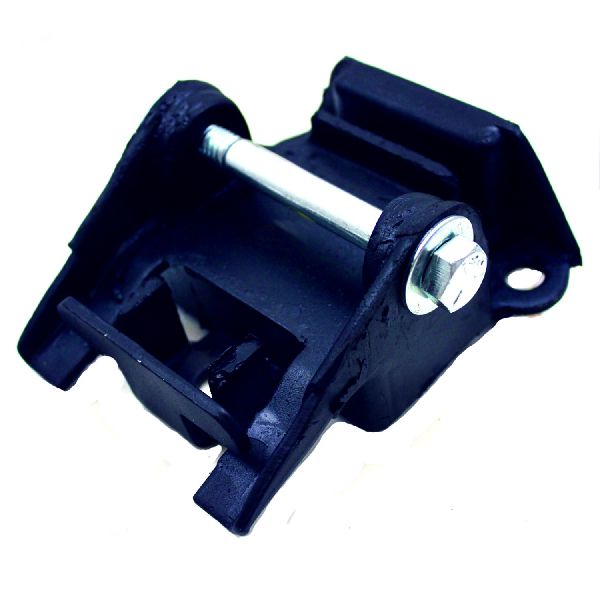
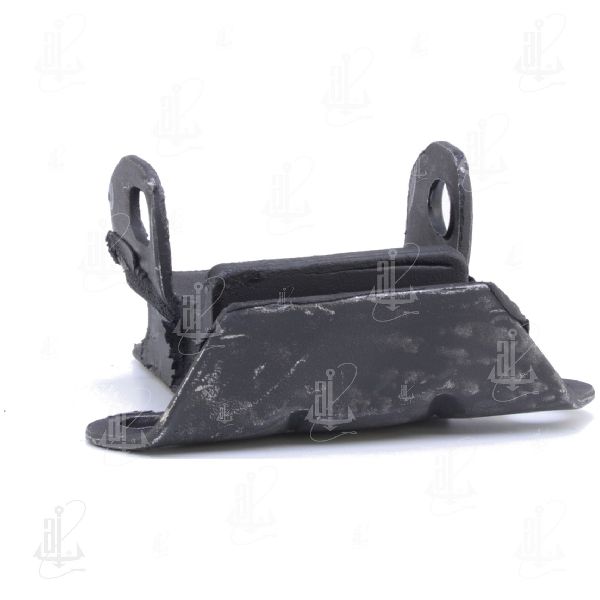
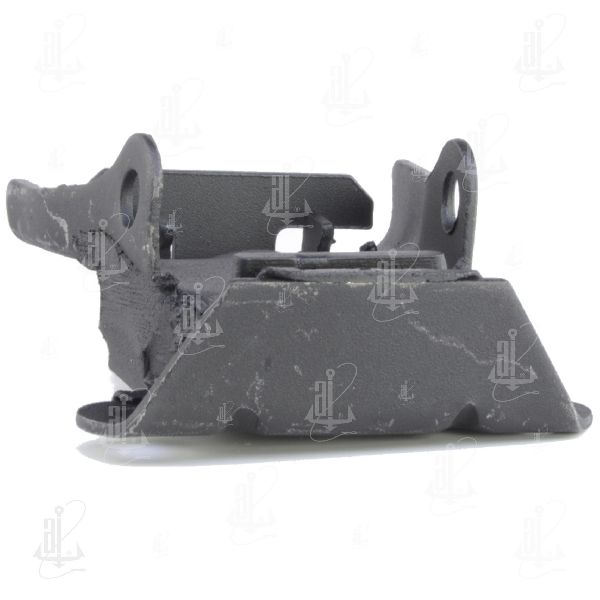
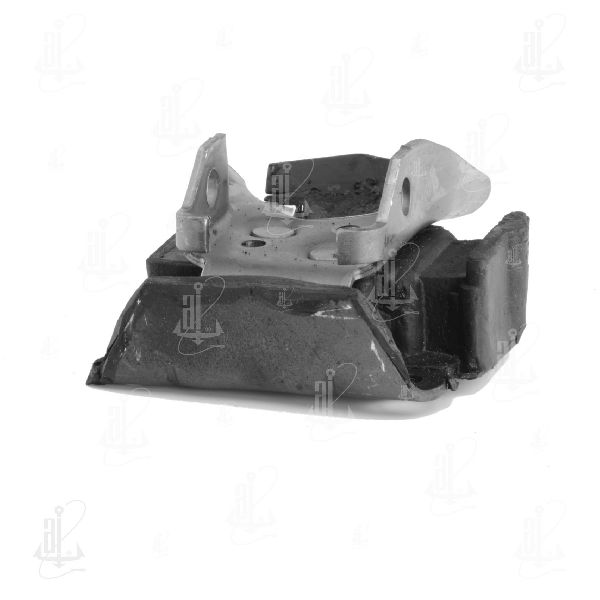
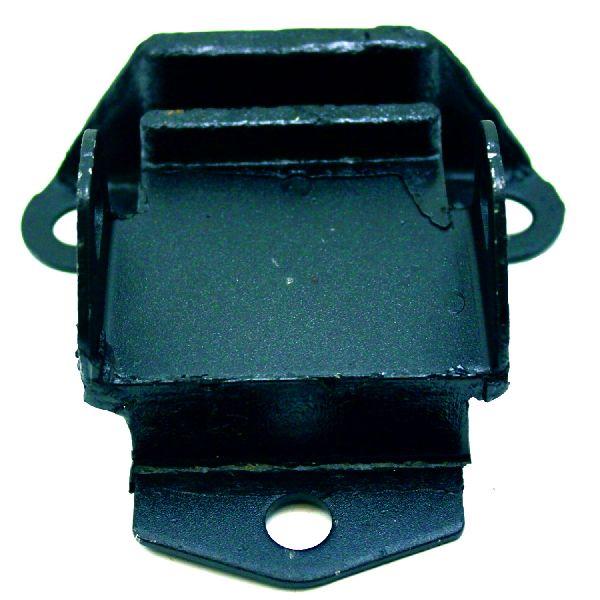
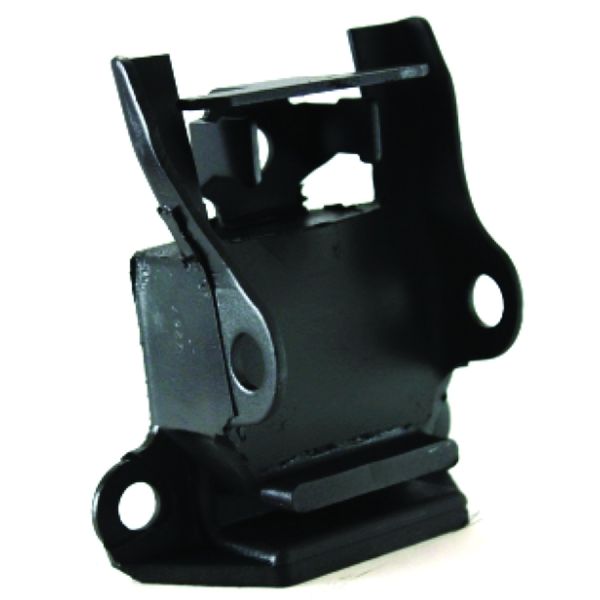
Brands like Anchor, DEA, Westar, and Pioneer offer standard replacement mounts. These are designed to be like the original equipment (OEM) parts, using rubber to absorb vibrations for a smooth, quiet ride. They are the most affordable option and are perfect for a daily driver or a stock restoration where originality and comfort are the main goals. While some forum users have mixed opinions on longevity for budget brands, they are generally considered adequate for standard use.
Better: Performance Polyurethane Mounts
Brands like Energy Suspension and Whiteline offer mounts made from polyurethane. Polyurethane is a much stiffer material than rubber, which means it allows for much less engine movement. This improves throttle response because more power is transferred directly to the drivetrain instead of being lost to engine flex. The downside is that polyurethane transmits more engine vibration into the car's cabin, so you will feel and hear the engine more. These are a great upgrade for modified cars or for owners who want a more connected, performance-oriented driving feel.
Best for Racing: Solid or Interlocking Mounts
Brands like Lakewood and Quick Time offer performance-focused mounts. These can be solid steel or have metal interlocking features that provide maximum strength. They are designed for drag racing or other high-horsepower applications where engine movement must be eliminated. For a street-driven Caprice, these are not recommended as they will transfer significant vibration and noise, making for a harsh ride.
| Part Type | Estimated Cost (Parts Only) | Notes |
|---|---|---|
| New Aftermarket (Rubber) | $13 - $40 per mount | Brands like Anchor, DEA, Westar. Good for stock replacement. |
| New Aftermarket (Polyurethane) | $50 - $100 per set | Brands like Energy Suspension. Firmer ride, better performance. |
| Shop Labor | $150 - $400 | Labor to replace a pair of mounts can take 1.5-3 hours. |
Frequently Asked Questions (FAQ)
How many engine mounts does my 1966-1970 Caprice have?
Most V8-equipped 1966-1970 Caprice models use two engine mounts (one on each side of the engine) and one transmission mount at the rear of the transmission. It is a good practice to inspect the transmission mount when replacing the engine mounts, as it is subjected to similar wear.
Should I choose rubber or polyurethane mounts?
Choose rubber mounts (like Anchor or DEA) if you want a smooth, quiet ride like the car had from the factory. Choose polyurethane mounts (like Energy Suspension) if you have a modified engine or want better throttle response and can tolerate a bit more vibration in the cabin.
Can I replace just one broken mount?
You can, but it's not recommended. Engine mounts wear out at a similar rate. If one has failed, the other is likely not far behind. Replacing them in pairs ensures proper engine alignment and saves you from having to do the job twice.
Is replacing engine mounts a DIY job?
For an experienced home mechanic, yes. The process involves supporting the engine with a jack and a block of wood, unbolting the old mounts, raising the engine slightly, and swapping in the new parts. However, it requires proper tools and safety precautions. If you are not comfortable working under a supported engine, it is best left to a professional mechanic.
Technical Specifications
Typically consists of two engine mounts and one transmission mount. V8 applications require mounts capable of handling significant torque. All modern replacements feature a safety interlock design superior to the original 1966-1970 parts.
We Have This Part in Stock

The information in this article is provided for general reference and educational purposes only. Vehicle specifications, procedures, and part compatibility can vary by production date, trim level, and region. Always consult your vehicle's factory service manual and verify part numbers before purchasing or performing repairs. Safety-critical components such as airbags, seat belts, and braking systems should be installed by a qualified professional.
- 🛍️ Shop This Part
- Symptoms of a Bad Engine Mount
- A Critical Safety Issue: The Historic GM Engine Mount Recall
- Choosing the Right Aftermarket Engine Mount
- Good: Standard Rubber Mounts
- Better: Performance Polyurethane Mounts
- Best for Racing: Solid or Interlocking Mounts
- Frequently Asked Questions (FAQ)
- 🎟️ Get 5% Off