

Choosing the Right Spark Plugs for Your 1966-1970 Chevrolet Caprice
Keep your classic Caprice's engine running smoothly with the correct set of new aftermarket spark plugs.
- For stock engines, standard copper spark plugs from a quality brand like ACDelco or NGK are a reliable and cost-effective choice.
- Always check and set the spark plug gap to your engine's specification (typically 0.035 inches) before installation.
- Symptoms of failure include rough idle, hesitation, poor fuel economy, and difficulty starting.
- No specific spark plug recalls or TSBs exist for this model, so issues are typically due to normal wear.
Signs of Failing Spark Plugs in Your Caprice
The ignition system on a classic car like the 1966-1970 Caprice is simpler than on modern vehicles, but the symptoms of bad spark plugs are timeless. If your plugs are worn, fouled with oil, or have an incorrect gap, you'll likely notice one or more of these issues:
- Rough Idling: The engine may shake or vibrate more than usual when stopped.
- Engine Misfires: You might feel a hesitation or stumble from the engine during acceleration. 🎬 Watch: How to diagnose a misfire on your classic engine.
- Difficulty Starting: A weak spark makes it harder for the engine to fire up, especially when cold.
- Reduced Power: Your Caprice may feel sluggish and less responsive to the throttle.
- Worse Fuel Economy: Inefficient combustion means you'll be visiting the gas station more often.
Because these vehicles predate On-Board Diagnostics (OBD-II), there is no check engine light to alert you to a specific misfiring cylinder. Diagnosis relies on observing these classic symptoms.
Choosing the Right Aftermarket Spark Plugs
For a classic vehicle like the 1966-1970 Caprice, you have several excellent aftermarket spark plug options. The original engines were designed for standard copper plugs, which are still a great choice. However, other materials can offer different benefits.
Brand Quality Tiers
| Tier | Brands | Best For |
|---|---|---|
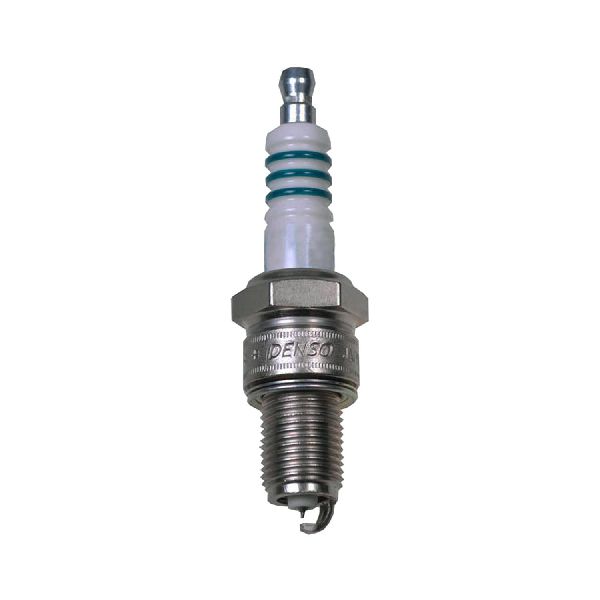
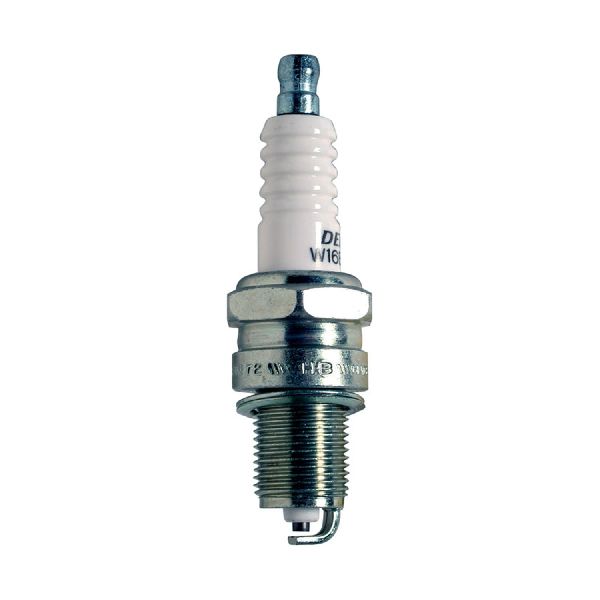
| OEM / Premium | ACDelco, NGK, Denso | Owners seeking original equipment quality and proven reliability. ACDelco was the original GM supplier, making it a factory-correct choice. NGK and Denso are highly regarded for their quality and are sometimes even used as OEM suppliers for GM. |
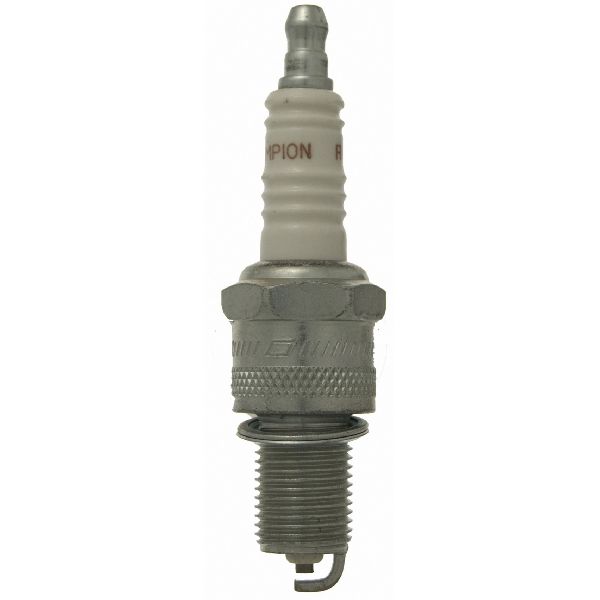
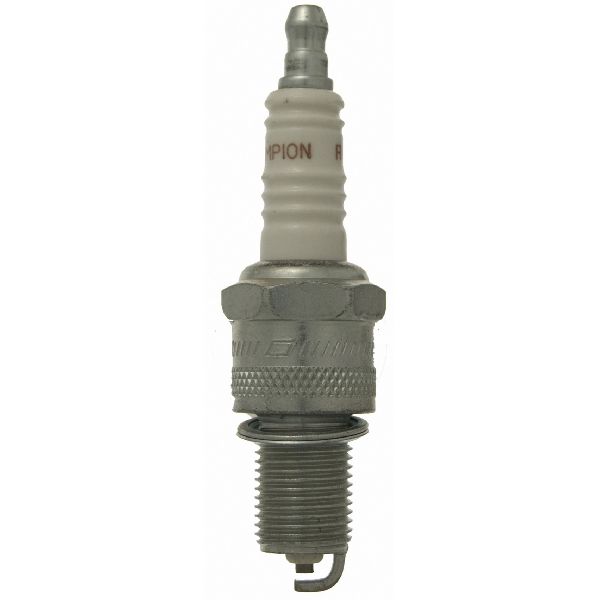
| Quality Aftermarket | Autolite, Champion, Bosch | A balance of performance and value. Champion and Autolite are long-standing American brands with a history of use in classic V8s. Many enthusiasts have good experiences with these brands in older engines. |
| Performance / Specialty | Accel | Drivers looking to get maximum performance, especially in modified or racing engines. Accel focuses on designs that promote a more efficient burn. |
| Economy | Skyward | Budget-conscious repairs where basic function is the primary goal. |
A Note on Plug Material
Your Caprice's original ignition system was designed for copper spark plugs. They are excellent conductors and work very well, but they also wear out the fastest. Platinum and iridium plugs last much longer but were not original to these cars. For a stock engine and ignition system, standard copper plugs from a quality brand like ACDelco or NGK are often the best and most cost-effective choice.
Known Issues, Recalls, or TSBs
Searches for official recalls and Technical Service Bulletins (TSBs) from the National Highway Traffic Safety Administration (NHTSA) and other sources did not reveal any specific issues related to spark plugs for the 1966-1970 Chevrolet Caprice. This is common for vehicles of this era, as documentation was not as extensive or digitized as it is today. Most common problems are related to general wear and tear of the ignition system components like the points, condenser, and distributor cap.
Cost of New Spark Plugs (1966-1970 Caprice)
| Category | Price Range (Set of 8) | Notes |
|---|---|---|
| New Aftermarket (Copper) | $25 - $40 | This is the most common and factory-recommended type. Price varies by brand. |
| New Aftermarket (Platinum/Iridium) | $40 - $100+ | Offers longer life but may not provide a noticeable performance benefit in a stock points-style ignition system. |
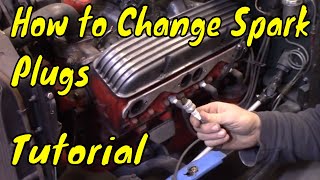
| Shop Labor | $75 - $150 | Spark plug replacement on these engines is straightforward, typically taking less than an hour. | 🎬 See this walkthrough for replacing spark plugs on a Chevy V8.
Frequently Asked Questions
How often should I change the spark plugs on my Caprice?
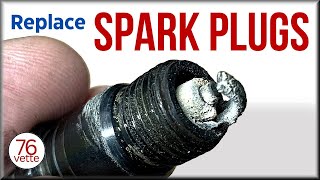
For standard copper plugs, which were original to the car, a good interval is every 15,000 to 20,000 miles or every couple of years. This ensures a strong spark and helps you monitor the engine's health by inspecting the old plugs.
What is the correct spark plug gap?
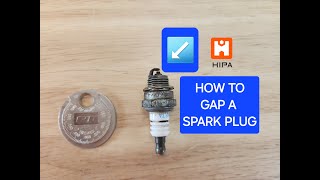
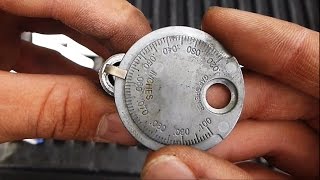
The correct gap is critical for performance. For most stock 1966-1970 Caprice engines with a points-style ignition, the spark plug gap is typically 0.035 inches. Always verify the specification for your specific engine and use a feeler gauge to check and adjust the gap on each new plug before installation.
🎬 Watch: A mechanic's guide to correctly gapping your spark plugs.Should I use anti-seize on the new spark plugs?
Yes, it is a good practice on these older engines with cast-iron heads. Applying a small amount of anti-seize compound to the plug threads helps prevent them from getting stuck, making future changes much easier. Be careful not to get any on the electrode or porcelain insulator.
Do I need special tools to change my spark plugs?
You will need a standard ratchet, a spark plug socket (usually 5/8" or 13/16" depending on the plug), an extension, and a spark plug gap gauge. A torque wrench is also recommended to tighten the plugs to the correct specification without damaging the cylinder head threads.
Helpful Videos

Technical Specifications
OEM Part Numbers: R45S R44S R43
Engine application is critical for selecting the correct spark plug. The 1966-1970 Caprice was available with a wide range of V8 engines, including the 283, 327, 350, 396, 427, and 454 cubic inch variants. Each may require a different heat range or plug design. Always confirm the part number for your specific engine before purchasing.
We Have This Part in Stock
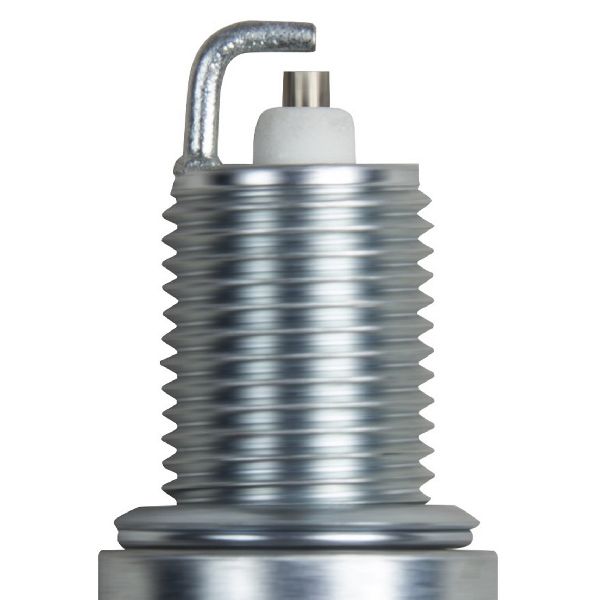
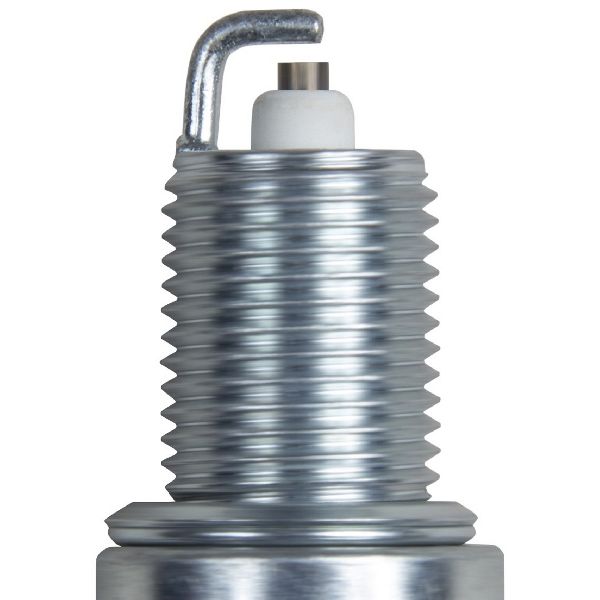

The information in this article is provided for general reference and educational purposes only. Vehicle specifications, procedures, and part compatibility can vary by production date, trim level, and region. Always consult your vehicle's factory service manual and verify part numbers before purchasing or performing repairs. Safety-critical components such as airbags, seat belts, and braking systems should be installed by a qualified professional.