

A Practical Guide to the Ignition Coil for the 1966-1971 BMW 1600-2
If your classic BMW 1600-2 is misfiring or won't start, a failing ignition coil is a likely and simple-to-fix problem.
- A failing ignition coil is a very common, age-related issue causing misfires, stalling, or no-start conditions.
- Before ordering, you MUST determine if your car uses a ballast resistor to ensure you buy a compatible coil.
- Replacement is extremely easy and can be done in under 30 minutes with basic tools, making it a great DIY job.
- Stick with reputable aftermarket brands like NGK or Bosch for proven reliability in these classic cars.
Is Your BMW 1600-2 Running Rough? It Could Be the Ignition Coil
A failing ignition coil is a common problem on the classic BMW 1600-2. Because it is the single source of spark for all four cylinders, its failure has an immediate and noticeable effect on how the engine runs. The symptoms can often feel like a fuel delivery issue, such as running out of gas. Recognizing the signs of a bad coil can save you from being stranded and is the first step to getting your car running smoothly again.
Symptoms of a Failing Ignition Coil
- No-Start or Hard Starting: This is the most common symptom. The engine will crank over but refuses to start, which usually points to a complete lack of spark from a dead coil.
- Engine Misfires or Stumbling: The car may jerk, sputter, or hesitate, especially when you try to accelerate. This happens when the coil provides an inconsistent or weak spark.
- Rough Idle: When the car is stopped, the engine might shake or run unevenly.
- Sudden Engine Cut-Out: Coils can fail when they get hot. The engine may die suddenly while driving and might restart after it has cooled down for a while, only to fail again later.
- Backfiring: Loud popping noises from the exhaust can occur when unburned fuel enters the exhaust system because the spark plugs aren't igniting it properly.
The Ballast Resistor: The Most Important Factor
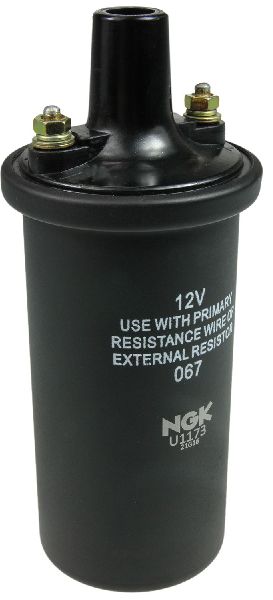
Before buying a new coil, you must know if your car uses a ballast resistor. Most of these cars came from the factory with a resistor wire or an external ceramic resistor. This part reduces voltage to the coil during normal operation to prevent it from overheating. Using a coil designed for a full 12 volts (like a Bosch Blue) on a system with a resistor will result in a weak spark. Conversely, using a coil designed for a resistor on a system without one can cause the coil to overheat and fail quickly. A simple test with a multimeter can tell you which system you have.
Choosing the Right Aftermarket Ignition Coil
For a classic vehicle like the 1600-2, you do not need to hunt down a rare or expensive original part. High-quality aftermarket coils are readily available and perform excellently. The key is choosing a reputable brand that is correct for your car's ignition setup (with or without a ballast resistor).
Brand Quality Tiers
| Tier | Brands | Assessment |
|---|---|---|
| Tier 1 (High Quality & Trusted) | NGK, Bosch | These brands are well-regarded leaders in ignition technology. Bosch was the original equipment manufacturer for many classic BMWs, and their coils are a trusted standard. NGK has an equally strong reputation for quality and is an excellent alternative. You can rely on these brands for long-term durability. |
| Tier 2 (Reputable Aftermarket) | Standard Ignition (SMP) | Standard Ignition is a well-known aftermarket manufacturer that produces a wide range of parts. Their products are generally considered reliable replacements for daily drivers. |
| Tier 3 (Value-Oriented) | Global Parts (GPD) | Value brands like Global Parts offer a budget-friendly option. These can be a suitable choice if cost is the primary concern, but may not offer the same longevity as higher-tiered brands. |
Easy DIY Installation
Replacing the ignition coil on a 1600-2 is a very simple job that most owners can do themselves in under 30 minutes with basic hand tools. The coil is easy to access in the engine bay, typically mounted on the passenger-side inner fender.
Frequently Asked Questions (FAQ)
Can I replace the ignition coil myself?
Yes, absolutely. The process involves disconnecting the battery, labeling and removing three wires, loosening the 10mm bolts on the mounting bracket, and swapping the old coil for the new one. It is one of the easiest repairs you can perform on this car.
Do I need a special "high-performance" coil?
For a stock engine with a points-style ignition, a standard replacement coil from a quality brand like NGK or Bosch is all you need. High-output coils are typically used for cars that have been converted to an aftermarket electronic ignition system and offer no real benefit on a stock setup.
Are there any recalls for the ignition coil on the 1966-1971 BMW 1600-2?
No. There are no recalls or Technical Service Bulletins (TSBs) from the NHTSA or BMW for the ignition coil on this vehicle. Any failure is due to the part's age and normal wear.
Should I replace anything else at the same time?
Since the ignition coil works with other ignition parts, it's a good idea to inspect them. Check the distributor cap, rotor, and spark plug wires for any cracks or damage. If your car still has a points-and-condenser setup, consider replacing them as well, as they are regular wear items.
Technical Specifications
Canister-style, oil-filled, single coil system. Must be matched to the vehicle's ignition system (with or without a ballast resistor).
We Have This Part in Stock


The information in this article is provided for general reference and educational purposes only. Vehicle specifications, procedures, and part compatibility can vary by production date, trim level, and region. Always consult your vehicle's factory service manual and verify part numbers before purchasing or performing repairs. Safety-critical components such as airbags, seat belts, and braking systems should be installed by a qualified professional.