

Ford Ranchero Alternator Guide: Symptoms, Brands, and Replacement (1966-1971)
Is your 1966-1971 Ranchero showing signs of a weak charging system? Here’s what you need to know before you buy a new alternator.
- Symptoms like dimming lights, a weak battery, and whining noises point to a failing alternator.
- For this era, always check the external voltage regulator and wiring, as they can cause similar issues.
- New OEM parts are unavailable; choices are new aftermarket (Proform) or remanufactured (Remy, BBB, MPA) with mixed reviews.
- Upgrading to a higher-output alternator is a good idea if you have added modern electronics like an electric fan.
Is Your Ranchero's Alternator Failing?
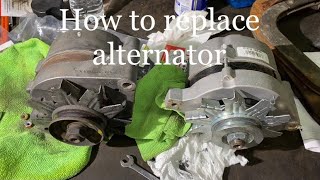
An alternator rarely fails without warning. For a classic vehicle like the 1966-1971 Ranchero, the signs are usually straightforward. Recognizing them early can prevent you from getting stranded 🎬 Watch: Diagnosing and replacing the alternator on a '66 Ford. with a dead battery.
Common Symptoms of a Bad Alternator:
- Dimming or Flickering Lights: Headlights and dash lights may dim, especially at idle, and then brighten as you rev the engine. This indicates the alternator is struggling to provide consistent power.
- Battery Light: The 'ALT' or 'GEN' light on your dashboard may flicker or stay on, signaling a problem in the charging system.
- Weak or Dead Battery: A new or good battery that repeatedly dies suggests it isn't being recharged properly by the alternator.
- Strange Noises: A whining or grinding sound from the front of the engine can point to worn-out bearings inside the alternator. A squealing noise could be a loose or worn alternator belt.
- Electrical Gremlins: Slow-operating power windows or a weak radio signal can occur when electrical components aren't receiving enough voltage.
Check the Whole System
On these classic Fords, the alternator is only one part of the charging system. A faulty external voltage regulator, old and corroded wiring, or a bad ground can produce the same symptoms as a bad alternator. Always inspect the belt, wiring connections, and voltage regulator before replacing the alternator itself.
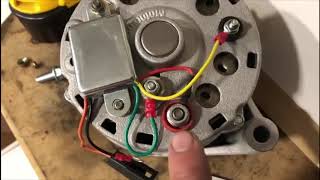
🎬 See how to test and fix your Ford voltage regulator.Choosing the Right Aftermarket Alternator
Finding a brand-new OEM Ford (Motorcraft) alternator for a vehicle from this era is nearly impossible. The market is now served by new and remanufactured aftermarket parts. For a stock restoration, a standard-output remanufactured unit is fine. If you've added modern accessories like an electric fan, a high-output new alternator is a smart upgrade.
Available Aftermarket Brands:
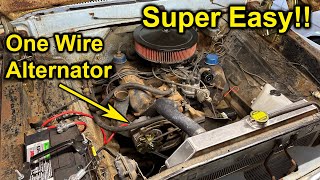
- Proform: Often sold as a new unit, not remanufactured. Proform is popular for upgrades, offering higher amperage and simple '1-wire' installations that can clean up engine bay wiring. 🎬 Watch this guide on installing a simple one-wire alternator. Owners report they provide a strong charge, but be prepared for potential minor fitment issues, like needing to swap a pulley or add shims.
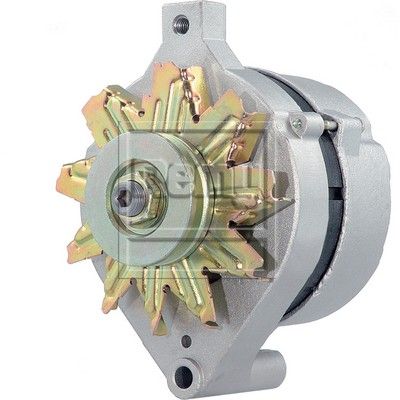
- Remy: A well-known brand with mixed feedback. Some users have had success with new and remanufactured Remy units without issue. However, other forum members have reported premature bearing failures, sometimes in as little as a year.
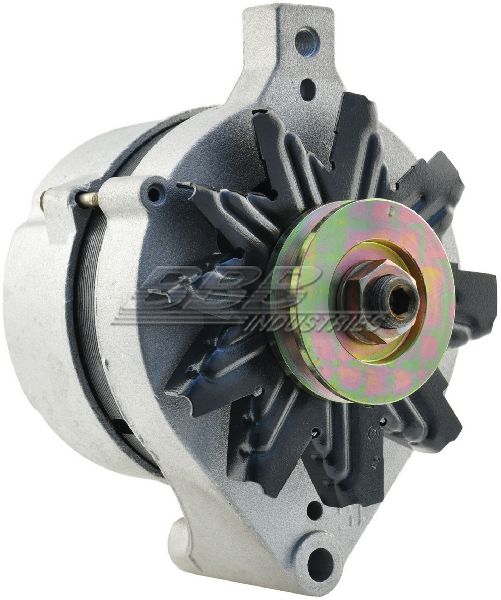
- BBB Industries: A major remanufacturer that supplies many auto parts stores. Quality can be inconsistent, a common concern with many remanufactured electrical parts. While they offer a lifetime warranty, some owners prefer to avoid the potential labor of replacing a faulty unit.
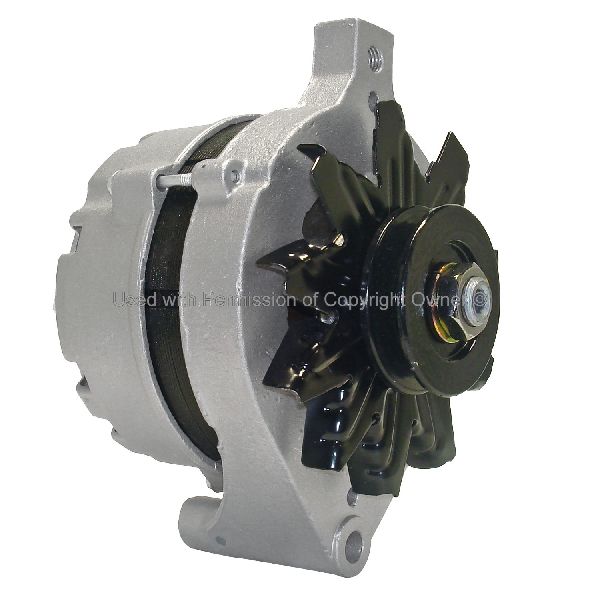
- MPA (Motorcar Parts of America): Sells alternators under the 'Quality-Built' line, which includes both new and remanufactured units. They state their parts meet or exceed original specifications, but direct owner reviews for classic Fords are less common compared to other brands.
Consider a Local Rebuilder
Many classic car enthusiasts prefer to have their original alternator rebuilt by a local automotive electrical shop. This can sometimes result in a higher-quality, more reliable part than a mass-market remanufactured unit, and it preserves the original factory component.
| Part Type | Estimated Price Range |
|---|---|
| New Aftermarket | $95 - $125 |
| Remanufactured Aftermarket | $70 - $110 (plus core charge) |
| Shop Labor for Installation | $100 - $200 |
Frequently Asked Questions
Do I need a high-output alternator?
If your Ranchero is mostly stock, a standard output alternator (around 45-60 amps) is sufficient. If you have added high-draw accessories like a powerful stereo system, electric cooling fans, or modern lighting, upgrading to a 100-amp alternator is highly recommended to handle the extra load.
What is a '1-wire' vs a '3-wire' alternator?
Your original Ranchero uses a '3-wire' system that connects to an external voltage regulator. A '1-wire' alternator has an internal regulator and only needs a single wire connected to the battery to function. It simplifies wiring but may not start charging until the engine reaches a certain RPM. For a stock vehicle, sticking with the original 3-wire setup and a new external regulator is often the most reliable choice.
Were there any recalls on the 1966-1971 Ranchero alternator?
No. Searches of the National Highway Traffic Safety Administration (NHTSA) database show no recalls for the alternator or charging system on 1966-1971 Ford Ranchero models. Any issues you encounter are due to the age and wear of the original components.
Can I replace the alternator myself?
Yes, for most home mechanics with basic tools, this is a very manageable job. The alternator is typically easy to access on these engines. The process involves disconnecting the battery, loosening the belt, removing the electrical connections, and unbolting the unit. The difficulty is low, and it can usually be done in about an hour.
Helpful Videos
Technical Specifications
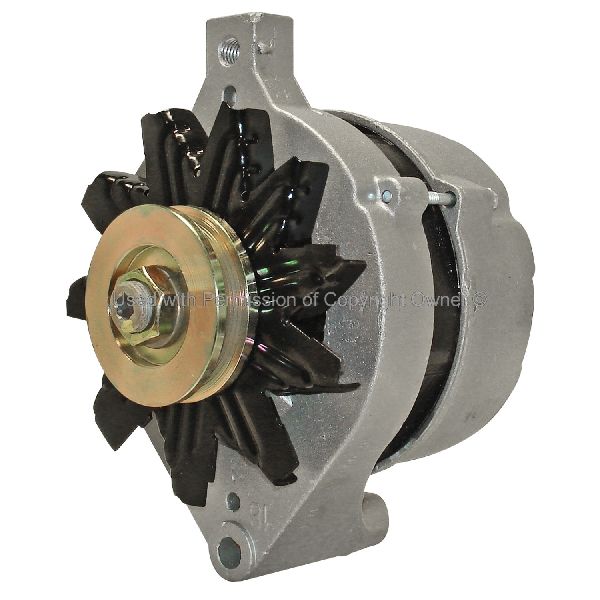
The 1966-1971 Ford Ranchero uses an externally regulated alternator. Stock output was typically between 45 and 60 amps. Aftermarket upgrades to 100 amps or more are common.
We Have This Part in Stock

The information in this article is provided for general reference and educational purposes only. Vehicle specifications, procedures, and part compatibility can vary by production date, trim level, and region. Always consult your vehicle's factory service manual and verify part numbers before purchasing or performing repairs. Safety-critical components such as airbags, seat belts, and braking systems should be installed by a qualified professional.