

1966-1972 Dodge Charger Automatic Transmission Mount: A Complete Guide
Understanding the signs of a failing transmission mount is key to keeping your classic Charger's drivetrain secure and running smoothly.
- Symptoms of a bad mount include clunking noises when shifting, excessive vibration in the cabin, and visible engine movement.
- Replacement is a DIY-friendly job, requiring a jack to support the transmission while you unbolt the crossmember.
- For a stock, comfortable ride, choose a standard rubber mount (Anchor, DEA). For performance applications, choose a more durable polyurethane mount (Prothane), but expect more vibration.
- There are no recalls or TSBs from NHTSA related to the transmission mount for this generation of Dodge Charger.
Signs of a Failing Transmission Mount
A transmission mount is a wear-and-tear item made of rubber and steel. Over decades, the rubber can crack, collapse, or become soaked with oil, causing it to fail. When this happens on your Charger, you'll likely notice some distinct symptoms.
Common Failure Symptoms
- Clunking or Banging Noises: The most common sign is a loud clunk when you shift from park into drive or reverse. You may also hear noises when accelerating or braking hard as the transmission shifts out of place.
- Excessive Vibration: A worn mount can no longer absorb drivetrain vibrations. You'll feel these vibrations in the cabin, floor, and steering wheel, especially when idling or accelerating.
- Visible Engine Movement: With the hood open and the car in park, have a helper briefly shift into drive while holding the brakes. If you see the engine and transmission lurch or move excessively, the mount is likely bad.
Choosing the Right Aftermarket Mount
For a classic car like the 1966-1972 Charger, new original equipment (OEM) parts from Mopar are generally not available. The market consists of aftermarket reproductions. These fall into two main categories: standard rubber and performance polyurethane.
Brand Tiers & Quality
Standard Replacement (Good): Anchor, DEA, Pioneer
These brands produce affordable, OEM-style rubber mounts. They are designed to restore the original ride quality and vibration absorption. However, owner forums and reviews suggest that the quality of these budget-friendly brands can be inconsistent. While many users have no issues, some report premature failure or poor fitment. They serve as a functional, low-cost replacement for a daily driver or stock restoration.
Performance Upgrade (Better): Prothane, Energy Suspension
Brands like Prothane and Energy Suspension offer mounts made from polyurethane. Polyurethane is a much stiffer and more durable material than rubber, resistant to fluids and wear. This is an excellent choice for performance applications, as it significantly reduces drivetrain movement and helps control torque. The trade-off is a noticeable increase in noise, vibration, and harshness (NVH) inside the car. If your Charger has a modified engine or you use it for performance driving, a polyurethane mount is a worthwhile upgrade.
Pro Tip: Rubber or Polyurethane?
Choose rubber (Anchor, DEA) if you want a quiet, comfortable ride that feels like the car did from the factory. Choose polyurethane (Prothane) if you have a high-performance engine or want to maximize drivetrain stability for racing or spirited driving, and you don't mind extra cabin vibration.
Replacement Cost
Replacing the transmission mount on a '66-'72 Charger is an affordable job. The part itself is inexpensive, and labor is straightforward for a mechanic.
| Item | Estimated Cost |
|---|---|
| New Aftermarket Mount (Rubber) | $10 - $20 |
| New Aftermarket Mount (Polyurethane) | $25 - $60 |
| Shop Labor | $100 - $200 |
| Total Estimated Cost | $110 - $260 |
Frequently Asked Questions (FAQ)
Can I replace the transmission mount on my Charger myself?
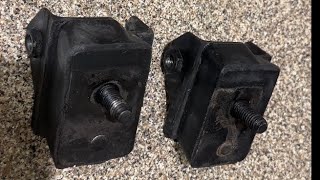
Yes, this is a DIY-feasible job for someone with basic mechanical skills and tools. The process involves supporting the transmission with a jack and a block of wood, unbolting the crossmember, and swapping the mount. 🎬 Watch how to replace your mounts without pulling the motor. Access can be tight, especially if you have aftermarket exhaust or headers.
How long does a transmission mount last?
Original mounts were designed to last a long time, but after 50+ years, the rubber has likely degraded. The lifespan of a new aftermarket mount depends on the quality, material, and your driving habits. A standard rubber mount might last 5-10 years, while a polyurethane mount could last much longer.
Will a bad transmission mount cause shifting problems?
Yes, it can. Excessive movement of the transmission can sometimes affect the shift linkage, leading to rough or inconsistent shifting. Securing the transmission with a new mount can sometimes resolve these issues.
Are there any recalls for the 1966-1972 Charger transmission mount?
No. A search of the National Highway Traffic Safety Administration (NHTSA) database shows no recalls or technical service bulletins (TSBs) specifically for the transmission mount on the 1966-1972 Dodge Charger. Any active recalls for Dodge Chargers are for much newer models and different components.
Helpful Videos
Technical Specifications
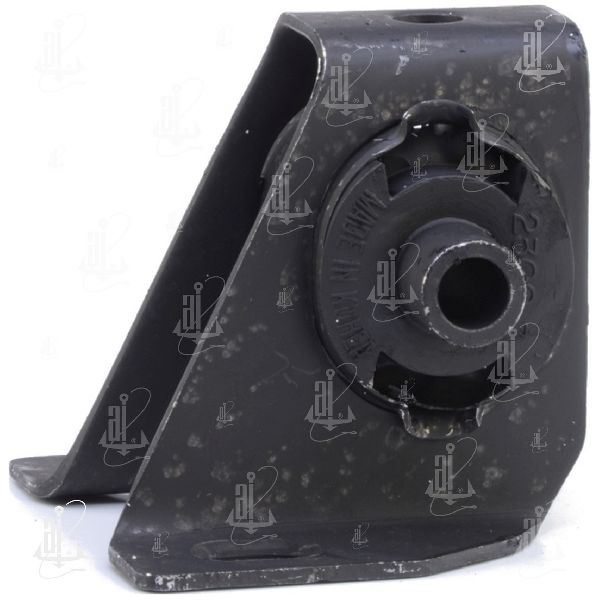
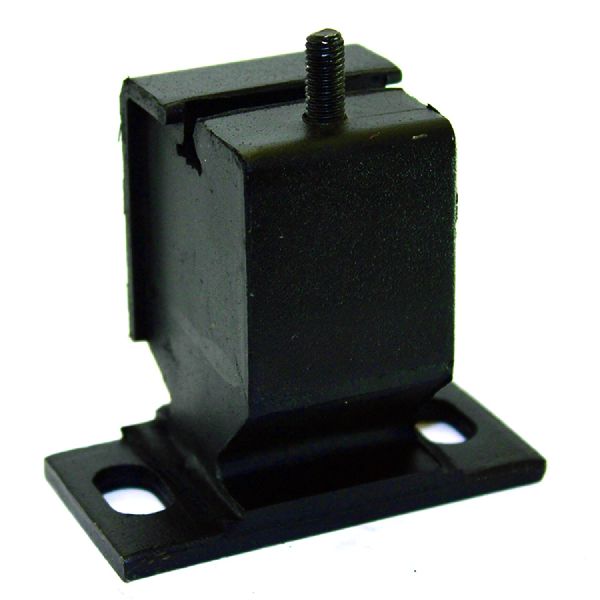
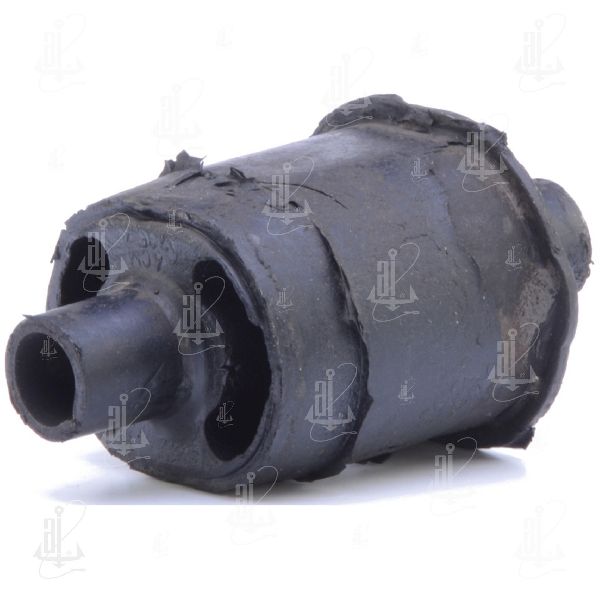
The mount consists of a metal frame with a rubber or polyurethane insulator designed to bolt to the transmission tail housing and the vehicle's crossmember. Fasteners are typically Grade 5 or higher.
We Have This Part in Stock


The information in this article is provided for general reference and educational purposes only. Vehicle specifications, procedures, and part compatibility can vary by production date, trim level, and region. Always consult your vehicle's factory service manual and verify part numbers before purchasing or performing repairs. Safety-critical components such as airbags, seat belts, and braking systems should be installed by a qualified professional.