

A Practical Guide to the 1966-1972 Dodge Charger Mechanical Fuel Pump
Keep your classic Charger's engine fed with the right fuel pump and avoid common problems.
- A failing fuel pump can cause sputtering, stalling, hard starting, or a no-start condition.
- A ruptured diaphragm is a critical failure that can leak fuel externally (fire hazard) or internally into the engine oil (engine damage).
- For reliability, choose a quality aftermarket brand like Carter for stock applications or Holley/Edelbrock for performance needs.
- Ensure you buy the correct pump (2-port or 3-port) to match your Charger's existing fuel line setup.
Is Your Fuel Pump Failing? Symptoms to Watch For
A failing mechanical fuel pump gives clear warning signs. Because it's a mechanical part, it tends to wear out gradually before failing completely. Catching the symptoms early can prevent you from being stranded.
- Engine Sputtering or Hesitation: The engine may sputter or lose power when you accelerate, especially when climbing hills or under heavy load. This happens because the weak pump can't supply the extra fuel the engine needs.
- Stalling, Especially When Hot: The engine may run fine when cool but stall after it warms up. Heat can make a weak pump's problems worse, sometimes leading to a condition called vapor lock where fuel turns to vapor in the lines.
- Difficult Starting: A weak pump may have trouble priming the carburetor, leading to long cranking times before the engine starts.
- Visible Fuel Leaks: If you see gasoline dripping from the pump body, the internal diaphragm has likely failed. This is a serious fire hazard and must be addressed immediately.
- No-Start Condition: If the pump fails completely, no fuel will reach the carburetor, and the engine will crank but not start.
Critical Failure: Fuel in Oil
A ruptured diaphragm can leak gasoline directly into your engine's crankcase. This thins the oil, reducing its ability to lubricate bearings and other critical parts. If you notice a strong smell of gas from the oil dipstick or a rising oil level, stop driving the car immediately and check the fuel pump.
Choosing the Right Aftermarket Fuel Pump
For a 1966-1972 Charger, original Mopar parts are virtually nonexistent. The market consists entirely of aftermarket replacements. Quality varies widely, so choosing a reputable brand is important for reliability.
Brand Quality Tiers
Tier 1: Performance & Premium OE-Style
- Carter: Often considered the gold standard for a stock or mildly modified Mopar. Carter was an original equipment supplier for many years, and their pumps are known for good fit and reliability. While some forum users have noted occasional quality control issues in recent years, it remains a top recommendation.
- Holley / Edelbrock: These brands are trusted in the performance world. Their pumps often offer higher flow rates (measured in GPH, or Gallons Per Hour) and are built to support more powerful engines. They are an excellent choice for modified engines and can also be used on stock vehicles for added peace of mind.
Tier 2: Standard Replacement
- Spectra, GMB, Delphi, US Motor Works: These brands offer budget-friendly, standard replacement pumps. While they can be a viable option, online discussions with classic car owners often caution against relying on generic "parts store" pumps for long-term durability, citing higher failure rates compared to premium brands.
Pro Tip: For a stock or weekend cruiser, a Carter pump is a safe and reliable bet. If you have a modified engine (upgraded cam, carb, etc.), stepping up to a Holley or Edelbrock pump is a wise investment to ensure your engine never starves for fuel.
Estimated Costs
| Item | Estimated Cost |
|---|---|
| Aftermarket Mechanical Fuel Pump | $32.00 - $75.00 |
| Shop Labor for Installation | $100 - $200 |
| Total Estimated Cost | $132.00 - $275.00 |
Frequently Asked Questions (FAQ)
Can I replace the fuel pump myself?
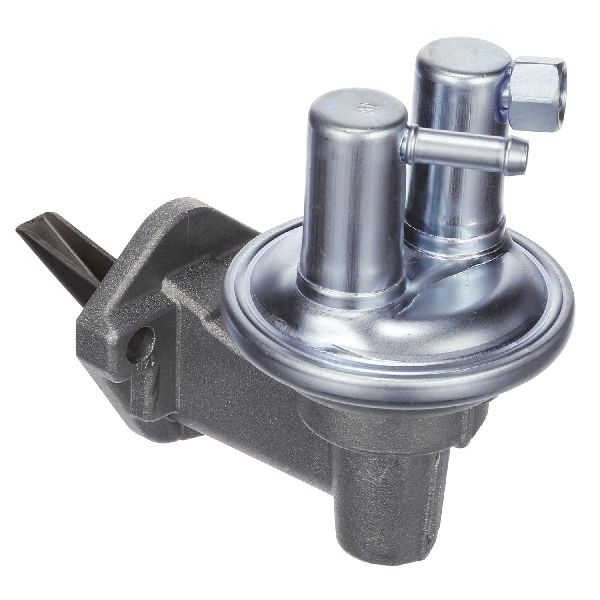
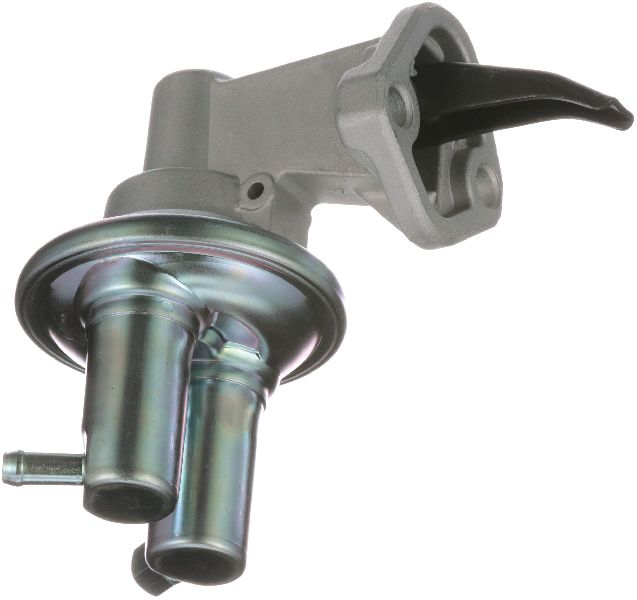
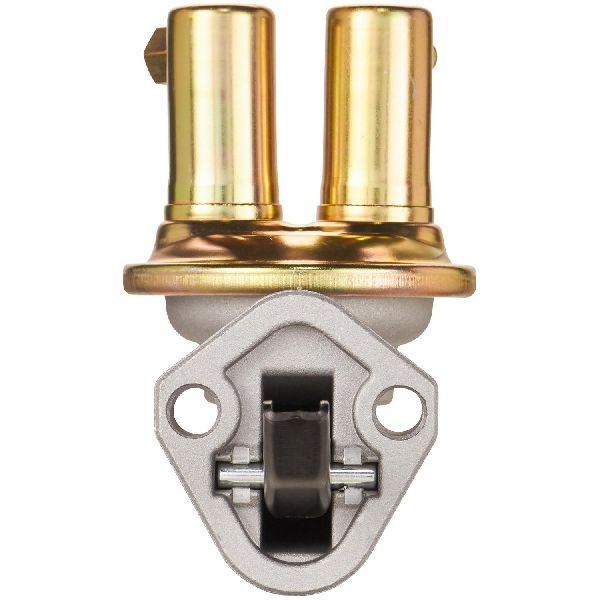
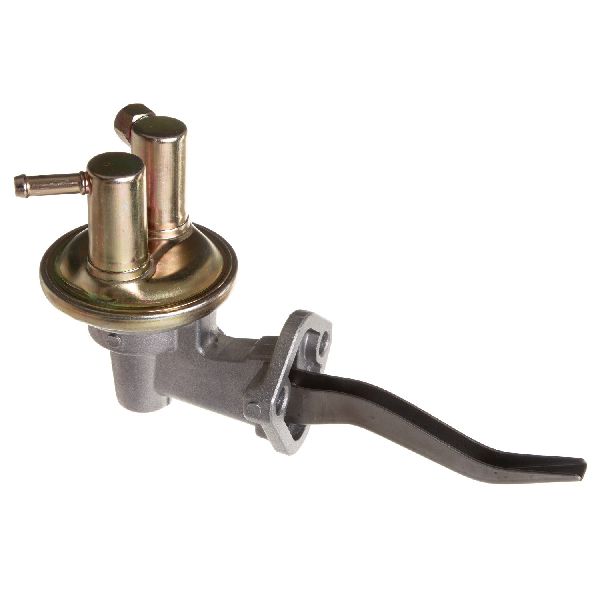
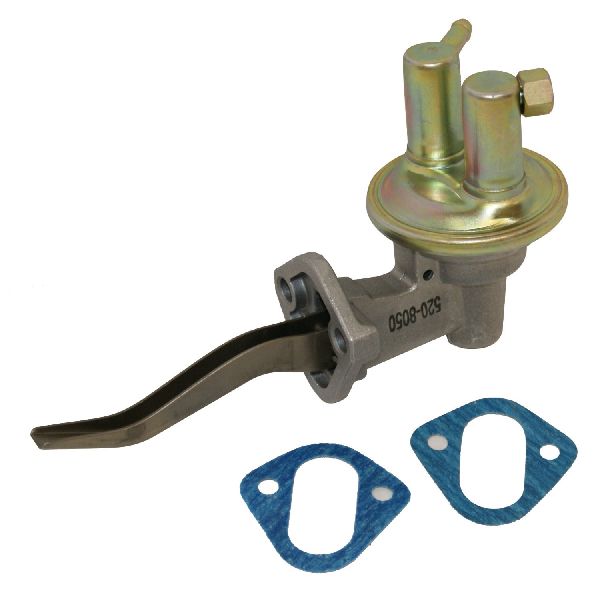
Yes, this is a very DIY-friendly job for most home mechanics. The pump is mounted on the side of the engine block and is typically held on by two bolts. The process involves disconnecting the fuel lines, unbolting the old pump, cleaning the mounting surface, installing the new pump with a new gasket, and reconnecting the lines. The most important step is to make sure the pump's lever arm is correctly positioned on the camshaft eccentric inside the engine.
What's the difference between a 2-port and 3-port pump?
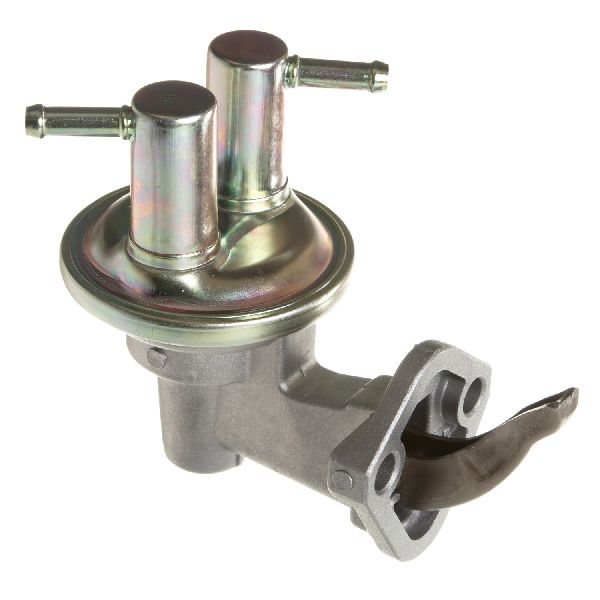
A standard pump has two ports: an inlet from the gas tank and an outlet to the carburetor. Some pumps have a third port, which is a vapor return line. This line sends excess fuel and vapor back to the tank, which helps prevent vapor lock in hot weather. You should purchase the same style pump that is currently on your car to match your existing fuel lines.
Do I need a high-performance pump for my stock engine?
No, a stock engine does not require a high-volume performance pump. A standard replacement from a quality brand like Carter is perfectly adequate. However, using a performance pump won't hurt, as the carburetor will only draw the fuel it needs. The key is to ensure the pressure is not too high (typically under 8 PSI) to avoid overpowering the carburetor.
Were there any recalls for the 1966-1972 Charger fuel pump?
No. Searches of the National Highway Traffic Safety Administration (NHTSA) database show no recalls or technical service bulletins (TSBs) related to the mechanical fuel pump for this generation of Dodge Charger. Any recalls found are for much newer models with modern electric fuel systems.
Technical Specifications
Camshaft-driven diaphragm pump. Required pressure is typically 5-7 PSI for stock carbureted applications. Available in 2-port (inlet/outlet) and 3-port (inlet/outlet/vapor return) configurations. Mounting is via two bolts to the engine block.
We Have This Part in Stock

The information in this article is provided for general reference and educational purposes only. Vehicle specifications, procedures, and part compatibility can vary by production date, trim level, and region. Always consult your vehicle's factory service manual and verify part numbers before purchasing or performing repairs. Safety-critical components such as airbags, seat belts, and braking systems should be installed by a qualified professional.