

Ford Bronco Automatic Transmission Oil Cooler Guide: 1966-1973
Keep your classic Bronco's automatic transmission safe from heat damage with the right aftermarket cooler.
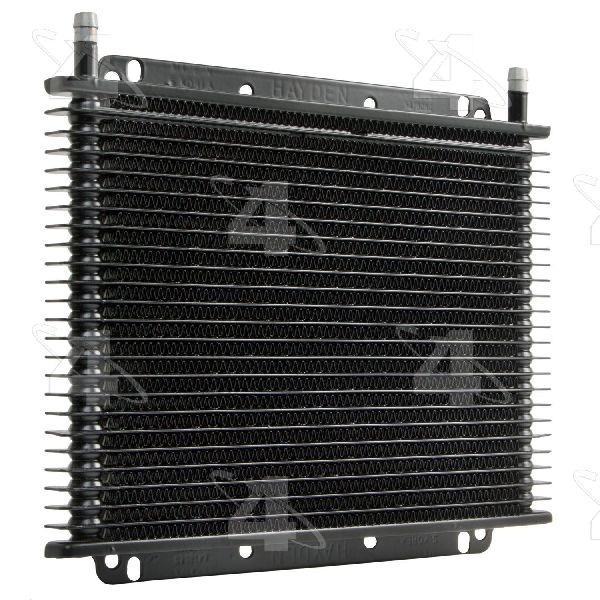
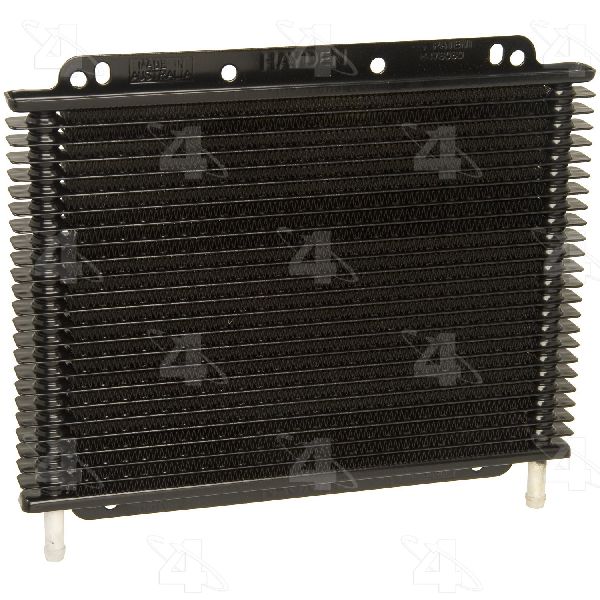
- For heavy off-road use or towing, a stacked plate cooler from a brand like Derale or Hayden is the best choice.
- Always inspect and replace old, brittle transmission cooler lines when installing a new cooler to prevent leaks.
- Consider bypassing the stock in-radiator cooler to create a more efficient, dedicated cooling system for your transmission.
- Properly cooling your C4 transmission is one of the most important reliability upgrades for a classic Bronco.
Is your Bronco's transmission running too hot?
For the 1966-1973 Ford Bronco, the original automatic transmission cooling system was often part of the main engine radiator. After decades of use, this system can become inefficient or fail. Many owners choose to install a more efficient, standalone aftermarket cooler to protect their investment, especially if the Bronco is used for off-roading, rock crawling, or towing. Heat causes transmission fluid to break down, leading to poor shifting and eventually catastrophic failure.
Symptoms of a Failing Transmission Oil Cooler
Because these classic Broncos don't have complex warning systems, you need to watch for physical signs of failure. Ignoring these can lead to expensive transmission damage.
- Fluid Leaks: Puddles of reddish or pink fluid under the front of your Bronco are a tell-tale sign of a leak from the cooler or its lines.
- Burning Smell: A distinct burning odor suggests the transmission fluid is overheating and breaking down.
- Poor Shifting Performance: If your transmission is slow to shift, shifts roughly, or seems to slip between gears, it's a classic symptom of overheated fluid.
- Strange Noises: Whining or grinding sounds can occur when low or overheated fluid fails to properly lubricate internal components.
Choosing the Right Aftermarket Cooler
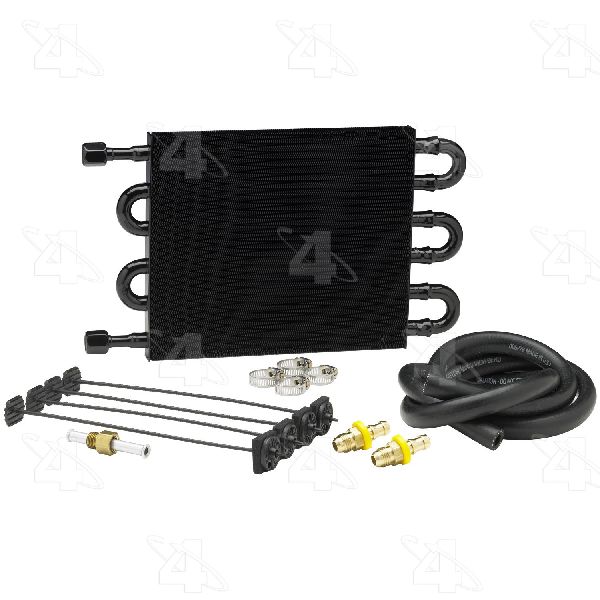
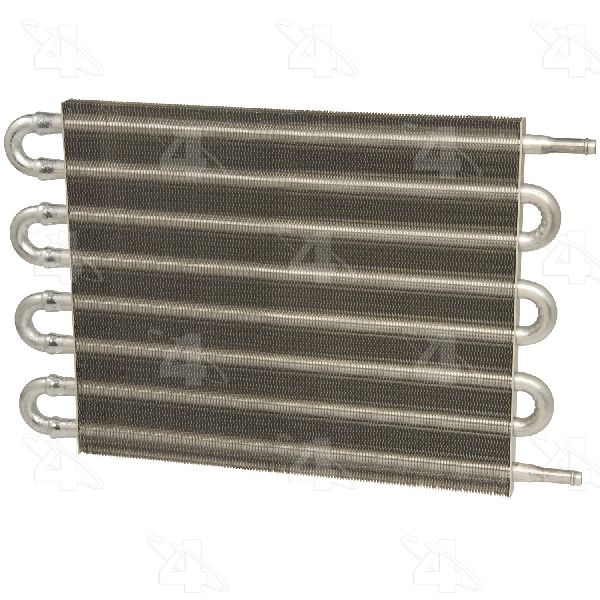
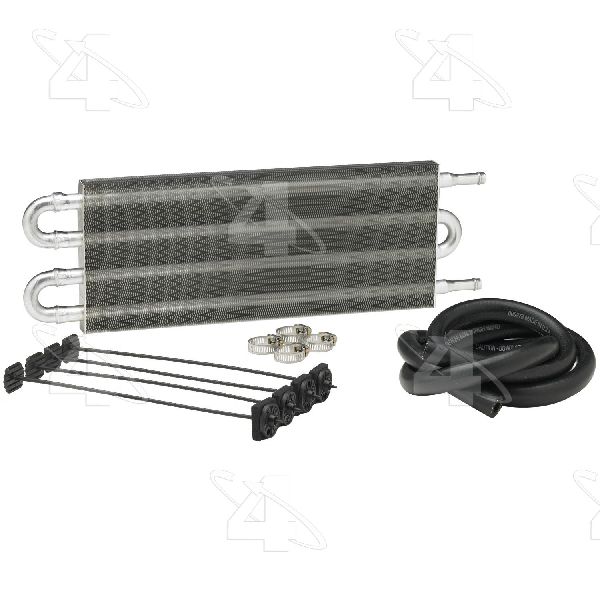
For a classic Bronco, you won't be looking for a direct OEM replacement part. Instead, you'll be choosing a universal aftermarket cooler that fits your needs. The main choice is between two types: Tube-and-Fin and Plate-and-Fin.
Brand & Quality Tiers
Your choice of brand often comes down to your intended use.
- Good (Standard Duty): Brands like Four Seasons and standard-duty Hayden coolers are reliable choices for Broncos that are mostly street-driven with occasional light-duty use. They are typically affordable and offer better-than-stock cooling. Four Seasons is a large aftermarket manufacturer, and Hayden is a well-known name in cooling products.
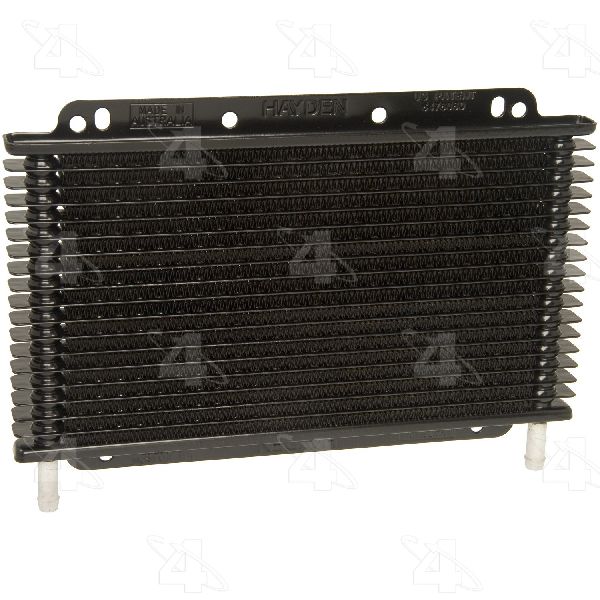
- Best (Heavy Duty): For Broncos that are modified, see regular off-road use, or tow, a heavy-duty cooler is strongly recommended. Derale is a highly-regarded brand in the off-road community, known for robust plate-and-fin coolers and even remote-mount options with their own electric fans. Heavy-duty models from Hayden, like their Rapid-Cool line, are also excellent choices. These are often called "stacked plate" coolers and are much more efficient at removing heat under tough conditions.
Pro Tip: Plate-and-Fin is Worth the Upgrade
While more expensive, a plate-and-fin (or stacked plate) cooler is significantly more durable and efficient than a basic tube-and-fin design. For the demands of off-roading and larger tires on a classic Bronco, it's the recommended choice for longevity and performance.
Estimated Costs for Replacement
| Part or Service | Estimated Cost |
|---|---|
| New Aftermarket Cooler | $51.93 - $104.66 |
| Shop Labor | $120 - $250 |
| Total Estimated Cost | $172 - $355 |
Cost estimates are for parts and labor and may vary based on your location and chosen parts.
Frequently Asked Questions
Do I really need an auxiliary transmission cooler?
If your Bronco is stock and only used for light street driving, the original in-radiator cooler might be enough. However, if you have larger tires, go off-roading, live in a hot climate, or tow, an auxiliary cooler is one of the best investments you can make to prevent transmission failure.
What type of cooler is best for off-roading?
A stacked plate cooler is the best choice for off-roading. They are more resistant to damage from debris and are more efficient at cooling fluid at low vehicle speeds, like during rock crawling. For extreme use, a remote-mounted cooler with a dedicated electric fan, like some models from Derale, offers the ultimate in cooling performance.
Should I bypass the factory in-radiator cooler?
Many Bronco owners choose to bypass the radiator cooler and run a standalone auxiliary cooler. This creates a completely separate system for the transmission, preventing the engine's heat from affecting the transmission fluid and vice-versa. It also eliminates the risk of a failure inside the radiator causing coolant and transmission fluid to mix, which would destroy the transmission.
Where is the best place to mount an aftermarket cooler?
The most common location is in front of the engine radiator to take advantage of airflow from the engine fan. However, owners have successfully mounted them in other locations, such as on the inner fender or under the floor, often with a dedicated fan, to protect them from off-road damage.
Technical Specifications
Common Cooler Types: Tube-and-Fin, Stacked Plate (Plate-and-Fin) Common Line Size: 5/16 inch
We Have This Part in Stock

The information in this article is provided for general reference and educational purposes only. Vehicle specifications, procedures, and part compatibility can vary by production date, trim level, and region. Always consult your vehicle's factory service manual and verify part numbers before purchasing or performing repairs. Safety-critical components such as airbags, seat belts, and braking systems should be installed by a qualified professional.