

Ford Bronco Engine Cooling Fan Clutch Guide: 1966-1973
Keep your classic Bronco's engine cool by understanding, diagnosing, and choosing the right fan clutch.
- Overheating at idle is the #1 symptom of a bad fan clutch on a classic Bronco.
- Measure clearance first! The space between the water pump and radiator is very tight on these trucks.
- Aftermarket is your only realistic option; brands like Hayden and GMB have a generally better reputation than budget alternatives.
- No recalls or TSBs exist for this part; failures are due to age and wear.
Is Your Fan Clutch Failing? Common Symptoms
A bad fan clutch can cause problems that are sometimes mistaken for a bad radiator or water pump. Knowing the signs can save you time and money. Watch for these symptoms in your Bronco.
Key Failure Symptoms
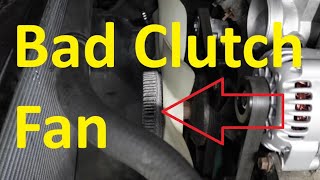
- Engine Overheating at Idle: This is the most common sign. If your temperature gauge climbs in stop-and-go traffic but cools down on the highway, the fan clutch is a likely culprit. At highway speeds, enough air is forced through the radiator to cool the engine, but at a standstill, a non-engaging fan clutch fails to pull the necessary air. 🎬 Watch: How to identify symptoms and test for failure
- Loud Roaring Noise from Engine Bay: If the fan clutch fails in the engaged position, it will cause the fan to spin at full speed all the time. This creates a loud roaring sound that is especially noticeable during cold starts and acceleration.
- Reduced Power and Fuel Economy: A fan clutch that is permanently stuck on creates a constant drag on the engine. This robs horsepower and can lead to a noticeable decrease in acceleration and fuel efficiency.
Choosing the Right Aftermarket Fan Clutch
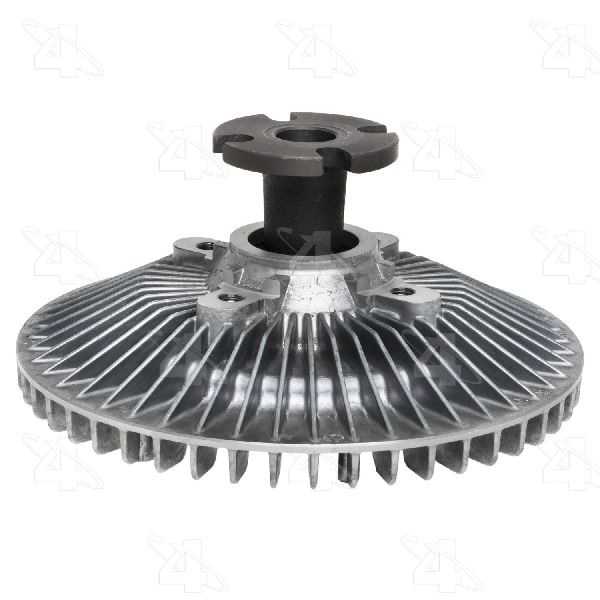
For a 1966-1973 Bronco, finding a new OEM (Motorcraft) fan clutch is nearly impossible. The market consists almost entirely of aftermarket brands. The single most important factor for this vehicle is physical size. Early Broncos have very limited space between the water pump pulley and the radiator. Always measure your available clearance before ordering. Some owners report needing a "stubby" style clutch to fit without modifications.
Aftermarket Brand Tiers
Based on owner feedback and general market reputation, here is an honest assessment of available brands:
- Tier 1 (Good Reputation): Hayden and GMB are frequently discussed brands. Hayden is well-known and has been used successfully by some classic Bronco owners. GMB positions itself as an OEM-quality manufacturer and has received positive reviews from users who switched from other aftermarket brands. For a classic Bronco, starting with a Hayden or GMB part known to fit is a solid choice.
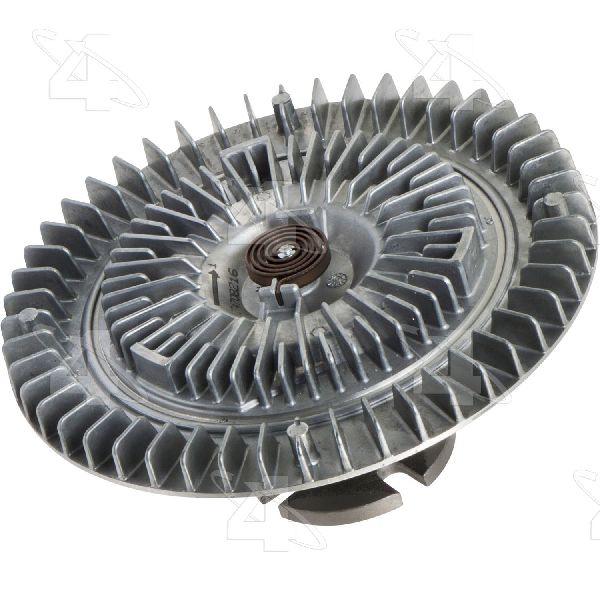
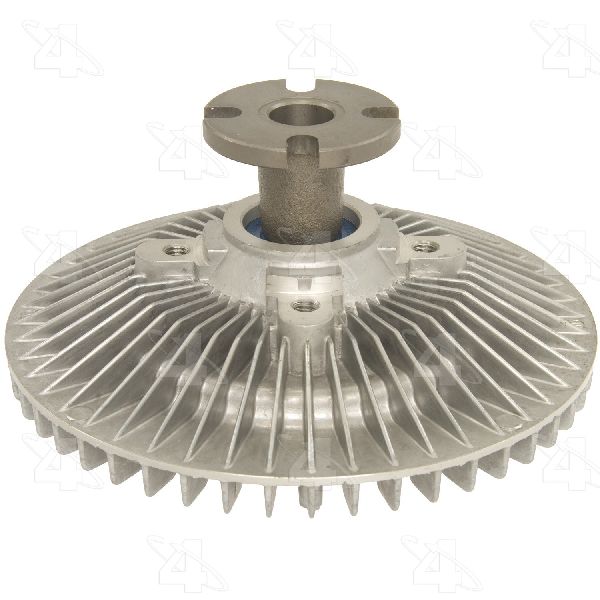
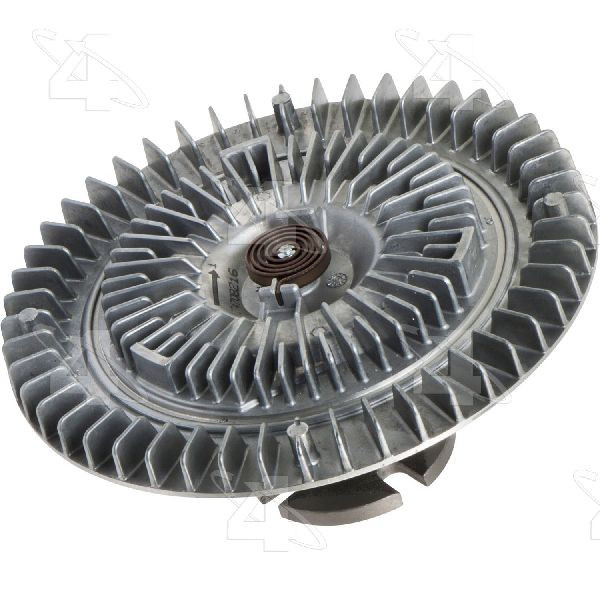
- Tier 2 (Standard Aftermarket): Four Seasons and US Motor Works are common aftermarket suppliers. Reviews for these brands are often mixed, with some users reporting success and others experiencing noise or early failure. They can be a budget-friendly option, but be prepared for potential quality control inconsistencies.
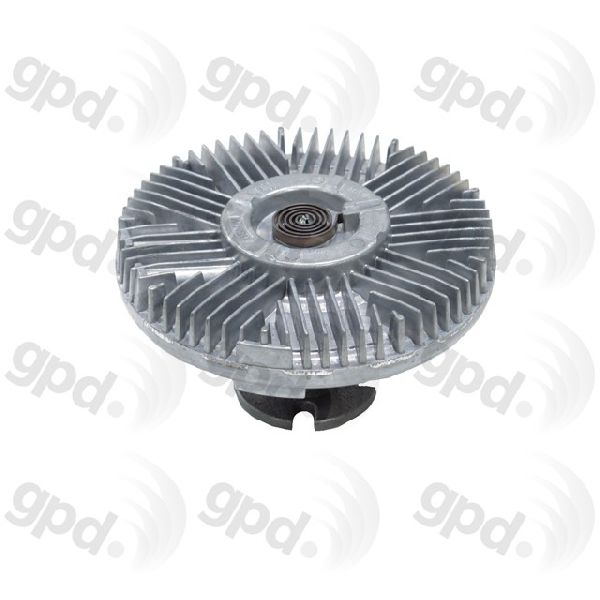
- Tier 3 (Other Brands): Brands like ACDelco and Global Parts (GPD) are also in the market but have less specific feedback available for this classic application. They are generally considered standard replacement-grade parts.
Pro Tip: Check classic Bronco forums for specific part numbers that other owners have successfully installed. For example, some users have reported success with Hayden fan clutch model 2765, though every Bronco can have slightly different spacing. Always measure your own vehicle's clearance first.
Known Issues, Recalls, or TSBs
Searches of the National Highway Traffic Safety Administration (NHTSA) database and other technical resources show no recalls or Technical Service Bulletins (TSBs) specifically related to the engine cooling fan clutch for the 1966-1973 Ford Bronco. Any issues you encounter will likely be due to normal wear and tear of this 50+ year-old part.
| Part Type | Estimated Cost |
|---|---|
| New Aftermarket | $48.22 - $129.95 |
| New OEM (Motorcraft) | Not Generally Available |
| Used OEM | $25 - $75 (Salvage Yard) |
| Shop Labor | $100 - $200 |
Frequently Asked Questions
How do I test my Bronco's fan clutch?
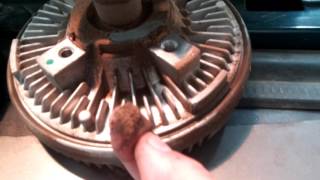
With the engine off and cold, try to spin the fan blade by hand. It should turn with some resistance. If it spins freely (more than 3-5 times) or doesn't spin at all, it's likely bad. Another test is to start the engine when it's fully warmed up, then shut it off. The fan should not continue to spin for more than a second or two. If it does, the clutch is not engaging properly.
🎬 Watch: How to tell if your Ford fan clutch is badWhy is my Bronco overheating in traffic but fine on the freeway?
This is a classic symptom of a failed fan clutch. At highway speeds, air is forced through the radiator, providing enough cooling. In traffic, your Bronco relies on the fan to pull air through the radiator, and if the clutch isn't engaging the fan, the engine temperature will rise.
Can I just run a fan without a clutch?
Yes, you can use a direct-drive or fixed fan, and many early Broncos did. However, a working clutch fan offers benefits like faster engine warm-up, reduced engine noise, and less power drag on the engine when cooling isn't needed. Some owners report better cooling at low speeds with a clutch fan setup.
Do I need a special tool to replace the fan clutch?
Often, yes. A fan clutch wrench set is typically needed to hold the water pump pulley stationary while you loosen the large nut holding the clutch. These can often be rented from auto parts stores. The tight space in an early Bronco can make this job tricky.
🎬 See this easy walkthrough for removing and installing the assemblyHelpful Videos

Technical Specifications
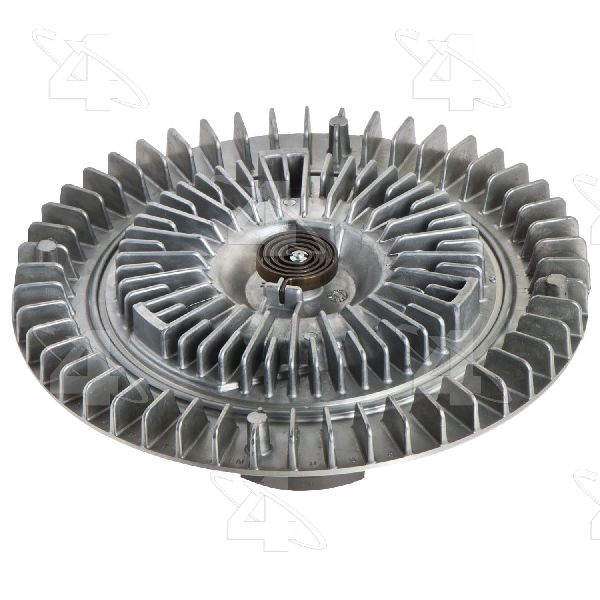
The key specification is the physical depth of the clutch. Measure the distance from the water pump pulley mounting surface to the radiator core to ensure fitment. Rotation is standard (clockwise) for V-belt setups.
We Have This Part in Stock

The information in this article is provided for general reference and educational purposes only. Vehicle specifications, procedures, and part compatibility can vary by production date, trim level, and region. Always consult your vehicle's factory service manual and verify part numbers before purchasing or performing repairs. Safety-critical components such as airbags, seat belts, and braking systems should be installed by a qualified professional.