

A Guide to the 1966-1973 Mercury Capri Distributor Cap
Keep your classic Capri's ignition running strong by understanding this critical, simple part.
- A bad distributor cap will cause noticeable running issues like misfires, rough idle, and hard starting.
- Visually inspect the cap for cracks and corrosion; this is the most reliable way to diagnose a failure.
- Always replace the distributor rotor at the same time as the cap for best results.
- Choose a quality aftermarket cap with brass terminals for better longevity and performance.
Symptoms of a Failing Distributor Cap
A distributor cap is a wear-and-tear item. Over time, heat, moisture, and high voltage cause it to break down. When your Capri's distributor cap starts to fail, you'll notice. The signs are often straightforward and point to an issue with the ignition system.
- Engine Misfires: The engine may stumble, shake, or lose power while driving.
- Rough Idle: Your Capri might shake or vibrate noticeably when stopped at a light.
- Hard Starting: The engine may crank for a long time before it starts, or it might not start at all. This can be worse in cold or damp weather.
- Stalling or Backfiring: The engine could stall unexpectedly or you might hear popping sounds from the exhaust.
- Visible Damage: A visual inspection is the best diagnostic tool. Look for cracks, carbon tracks (thin black lines), moisture, or corrosion on the metal terminals inside the cap.
Choosing the Right Aftermarket Distributor Cap
For a classic vehicle like the 1966-1973 Mercury Capri, new original equipment manufacturer (OEM) parts are generally no longer available. The good news is that the aftermarket provides quality options that meet or exceed the original specifications. Your choice will come down to a balance of material quality and price.
When shopping, you'll see caps with different terminal materials. Brass terminals are generally preferred over aluminum because they are more resistant to corrosion and offer better conductivity, leading to a longer service life. Given the small price difference, a cap with brass terminals is a worthwhile investment for reliability.
Brand Tiers
- Standard Ignition (SMP): A well-regarded aftermarket brand, often considered a reliable replacement for original parts. Their "Blue Streak" line is a premium option known for quality.
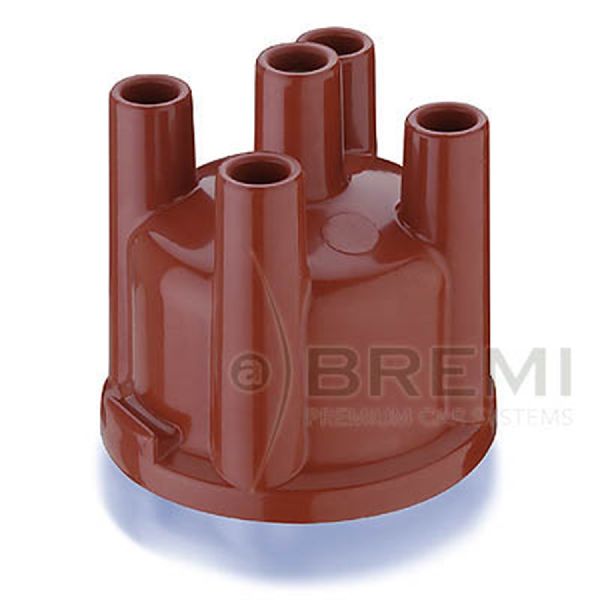
- Bremi: A German brand that manufactures OEM parts for some European cars. While not original to the Capri, they are a known quantity in the ignition parts market.
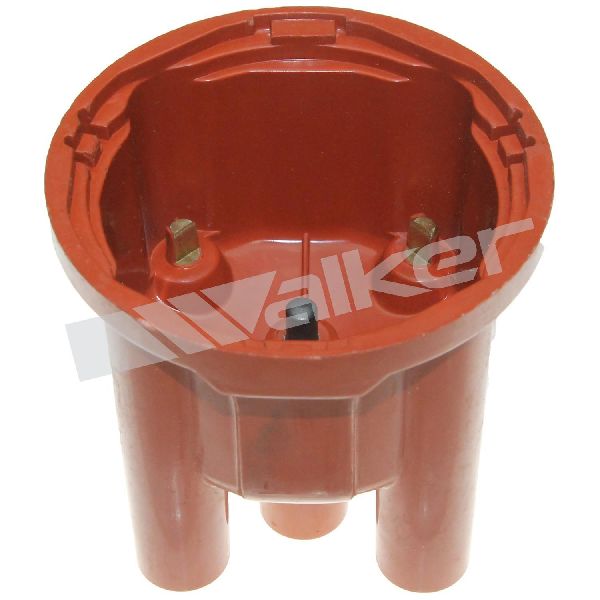
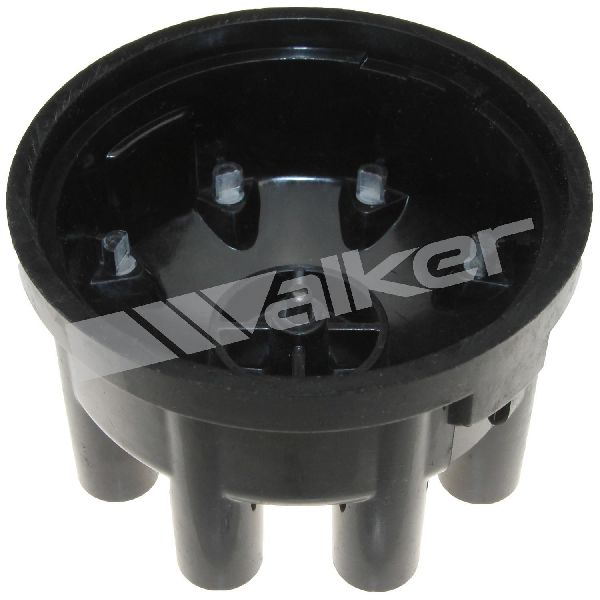
- Walker Products: Another established aftermarket manufacturer offering a range of engine management parts.
Pro Tip: Fitment issues can occur with lower-quality parts. While all the listed brands are reputable, it's always a good idea to compare the new cap to the old one before installation to ensure the diameter and clip locations match perfectly. Also, it is highly recommended to replace the distributor rotor at the same time as the cap. These parts wear together.
Distributor Cap Cost for 1966-1973 Mercury Capri
| Part Type | Estimated Cost |
|---|---|
| New Aftermarket Distributor Cap | $12.13 - $37.93 |
| Shop Labor for Installation | $50 - $100 |
Frequently Asked Questions
Can I replace the distributor cap myself?
Yes, this is one of the easiest maintenance jobs on a classic car like the Capri. It typically involves unclipping two metal clips, swapping the spark plug wires one by one to the new cap to maintain the correct firing order, and clipping the new cap in place. No special tools are required beyond basic hand tools.
How often should I replace the distributor cap?
For a vehicle of this era, it's good practice to inspect the distributor cap and rotor during every major tune-up or at least once a year. Replace them if you see any signs of wear, such as cracks, corrosion, or carbon buildup on the terminals. Given the low cost, it's cheap insurance against being stranded.
Is a more expensive distributor cap better?
Often, yes. A higher price usually reflects better materials, such as brass terminals instead of aluminum, and a higher quality plastic body that is more resistant to cracking and carbon tracking. For the small price difference, a premium cap from a brand like Standard Ignition or Bremi is a smart choice for long-term reliability.
What are carbon tracks?
Carbon tracking refers to small, dark lines that can form on the inside of the distributor cap. These lines are paths of carbon that can conduct electricity, causing the spark to jump to the wrong terminal or to ground. This can lead to engine misfires. If you see carbon tracks, the cap must be replaced.
Technical Specifications
Varies by engine (4-cylinder, V6). Ensure the cap matches your specific engine's distributor. Key features include terminal material (aluminum vs. brass) and attachment style (clip-on).
We Have This Part in Stock


The information in this article is provided for general reference and educational purposes only. Vehicle specifications, procedures, and part compatibility can vary by production date, trim level, and region. Always consult your vehicle's factory service manual and verify part numbers before purchasing or performing repairs. Safety-critical components such as airbags, seat belts, and braking systems should be installed by a qualified professional.