

Mercury Capri Radiator Coolant Hose: A Guide for 1966-1973 Models
Keep your classic Capri's engine cool and reliable by understanding when and how to replace your radiator hoses.
- Proactively replace radiator hoses on your classic Capri; do not wait for them to fail.
- Symptoms include leaks, overheating, and visible damage like cracks, swelling, or sponginess.
- New OEM hoses are unavailable; choose a quality aftermarket brand like Gates, Dayco, or Continental.
- Always replace hoses in pairs (upper and lower) and use new hose clamps for a reliable repair.
Keeping Your Classic Capri Cool
As a Mercury Capri owner, you know that keeping your classic on the road means paying attention to the basics. The rubber radiator hoses are a perfect example. Due to their age, original hoses are a major failure point. Heat, pressure, and oil contamination break down the rubber over time, leading to leaks and potential engine damage. Proactively replacing these hoses is one of the smartest investments you can make in your car's reliability.
Symptoms of a Failing Radiator Hose
Watch for clear signs that your hoses need replacement. Ignoring them can lead to a sudden failure and a much bigger repair bill.
- Coolant Leaks: Finding puddles of green, yellow, or pinkish fluid under your engine bay is a major red flag. This fluid often has a distinct sweet smell.
- Visible Hose Damage: Regularly inspect your hoses. Look for cracks, splits, or holes. A hose that is bulging, swollen, or feels overly soft and spongy when squeezed is weak and could burst at any moment. Conversely, a hose that feels rock-hard and brittle is also ready to fail.
- Engine Overheating: If your Capri's temperature gauge starts climbing into the red, a faulty hose could be the cause. A leak can cause the coolant level to drop, or a collapsed hose can block flow, both leading to overheating.
- Low Coolant Level: If you frequently have to top off the coolant in your radiator or overflow tank, you likely have a leak somewhere in the system, and the hoses are a primary suspect.
Do Not Drive with a Bad Hose
A leaking, bulging, or collapsed radiator hose can fail completely without warning. This will cause a rapid loss of coolant, leading to severe engine overheating and potentially catastrophic damage like a blown head gasket or seized engine. If you suspect a hose is bad, do not drive the car.
Choosing the Right Aftermarket Hose
For a vehicle from the 1966-1973 era, new original equipment (OEM) Ford hoses are no longer available. The market consists entirely of aftermarket brands. The good news is that reputable companies have been making these for decades.
- Brand Tiers: Brands like Gates, Dayco, and Continental are all well-regarded in the auto repair world. Forum discussions among mechanics and classic car owners show that both Gates and Dayco are popular choices. Gates is often an OEM supplier to many car manufacturers, and some users prefer their fit and quality. Dayco hoses are sometimes noted as being slightly thicker.
- The Importance of Fit: For a classic car, the most important factor is often fitment, not brand. Sometimes aftermarket molds can vary slightly from the original. Before installing, hold the new hose next to the old one to ensure all the bends and angles line up correctly. This simple check can save you a huge headache during installation.
Pro Tip: Replace in Pairs with New Clamps
If one of your radiator hoses has failed, the other is likely not far behind. It is always best practice to replace both the upper and lower hoses at the same time. Also, use new hose clamps. Old clamps can lose their tension or corrode, creating a leak point even with a new hose.
Radiator Hose Replacement Cost for 1966-1973 Mercury Capri
The cost for new aftermarket radiator hoses is very reasonable. The main cost of a professional repair will be labor.
| Part/Service | Estimated Cost |
|---|---|
| New Aftermarket Hoses (Per Hose) | $22.88 - $44.36 |
| Shop Labor | $90 - $150 |
Frequently Asked Questions
Should I replace my hoses even if they look okay?
Yes, especially on a classic car. Rubber degrades from the inside out due to a process called electrochemical degradation. A hose can look fine on the outside but be ready to collapse or burst. If you don't know how old your hoses are, replacing them is cheap insurance against a breakdown.
Can I find original Motorcraft hoses for my Capri?
Finding New Old Stock (NOS) Motorcraft hoses from the 1970s is extremely rare and they would likely be unsuitable for use due to age-related rubber degradation. Your best and safest bet is a new aftermarket hose from a quality brand.
What if the new hose seems a little long?
This is not uncommon with parts for older vehicles. Some aftermarket hoses are designed to fit multiple similar applications and may need to be trimmed to the exact length. Carefully compare it to your old hose and trim the excess from the straightest end if necessary.
What type of hose clamps should I use?
For a factory look and reliable performance, many prefer high-quality worm-drive or spring-style clamps. Avoid cheap, low-quality clamps that can strip easily or not provide even pressure. The key is a secure, 360-degree seal without overtightening and damaging the hose.
Technical Specifications
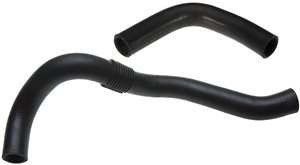
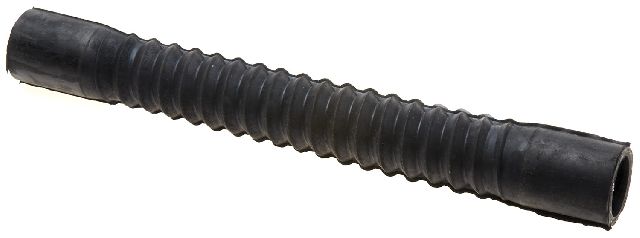
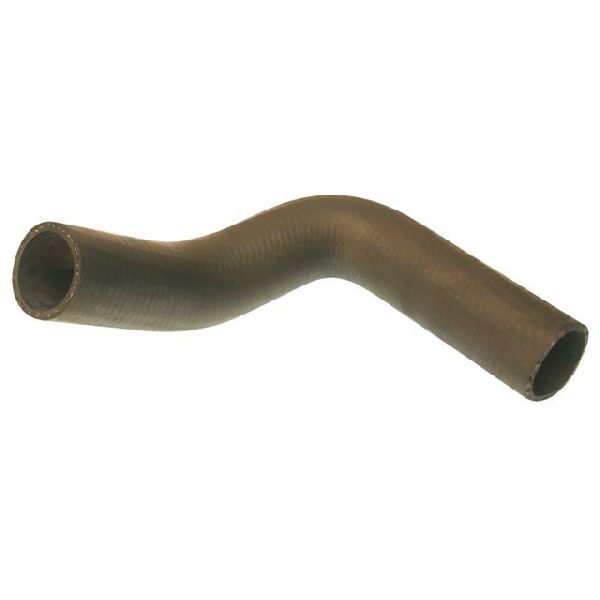
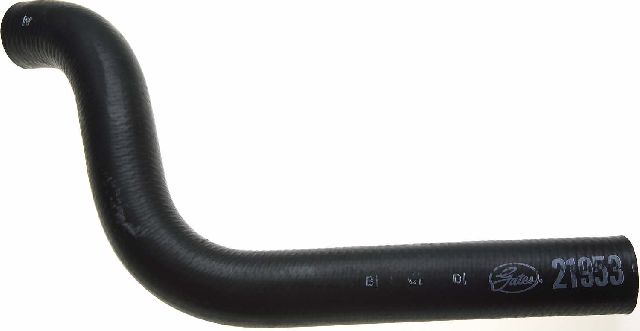
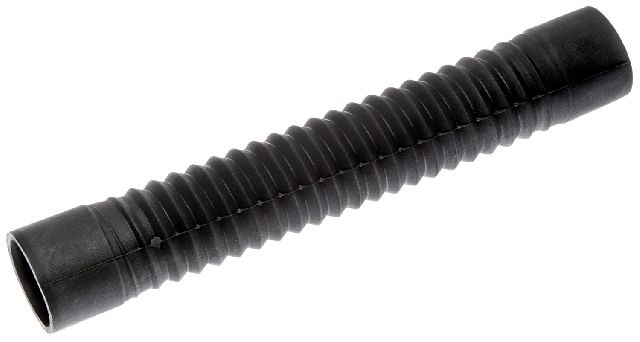
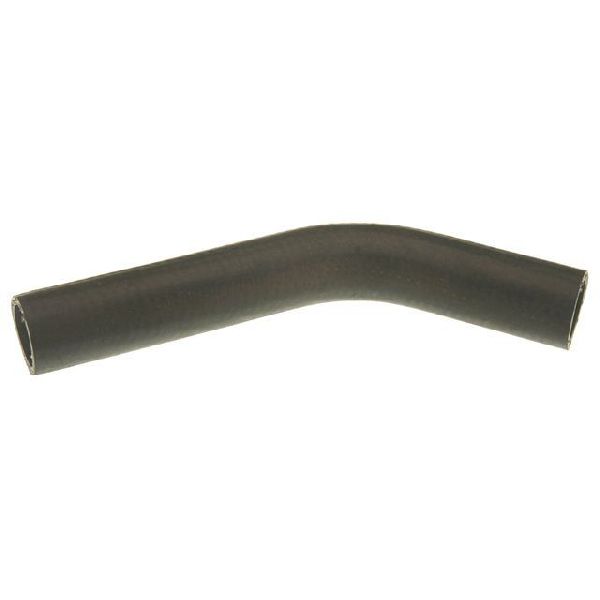
Vehicle requires one upper and one lower radiator hose. Specific shape and diameter are critical for proper fitment without kinking.
We Have This Part in Stock

The information in this article is provided for general reference and educational purposes only. Vehicle specifications, procedures, and part compatibility can vary by production date, trim level, and region. Always consult your vehicle's factory service manual and verify part numbers before purchasing or performing repairs. Safety-critical components such as airbags, seat belts, and braking systems should be installed by a qualified professional.