

Ford Bronco 1966-1975 Automatic Transmission Mount Replacement Guide
Stop the clunking and shaking in your classic Bronco by understanding and replacing your transmission mount.
- A clunking noise when shifting is the #1 symptom of a bad mount.
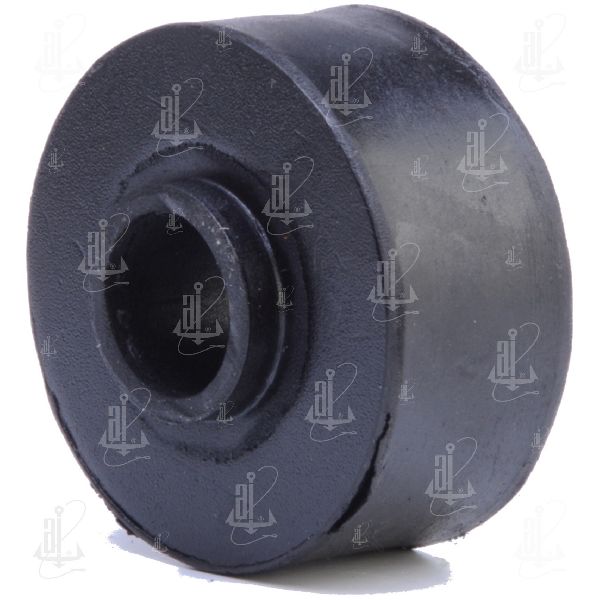
- This is a simple, rubber-and-metal part; affordable aftermarket brands like Anchor, Westar, or DEA are a practical choice.
- Always inspect your engine mounts at the same time; they often fail together.
- Replacement is a straightforward DIY job that can prevent more expensive damage to your drivetrain.
Signs of a Failing Transmission Mount
A worn-out transmission mount on a classic Bronco is a common issue. The original rubber simply deteriorates after decades of use. When it fails, it allows the transmission to move excessively, leading to several noticeable symptoms.
Key Failure Symptoms
- Clunking or Banging Noises: This is the most frequent sign. You'll hear a loud "clunk" or "thud" when you shift from Park into Drive or Reverse. The noise can also happen during acceleration or deceleration as the transmission shifts and hits against the frame.
- Excessive Vibrations: A bad mount can no longer absorb drivetrain vibrations. You'll feel this shaking through the floorboards and seat, especially at idle or during acceleration.
- Visible Movement: You can often see a failed mount. With the help of a spotter, you can put the vehicle in gear with the brakes held firmly and watch for excessive engine and transmission rocking. A visual inspection underneath may also reveal cracked, collapsed, or oil-soaked rubber.
Choosing the Right Aftermarket Mount
For a 1966-1975 Bronco, finding a genuine Ford "new old stock" (NOS) part is nearly impossible. The market consists almost entirely of aftermarket replacements. The good news is that this is a simple, non-hydraulic mount, and even budget-friendly options are a huge improvement over a 50-year-old original. The brands available are generally considered standard, economy-grade replacements.
Pro Tip: While replacing the transmission mount, it's a very good idea to inspect your engine mounts. These parts wear out at a similar rate, and a failed engine mount will quickly destroy a new transmission mount by putting extra stress on it. Replacing them all at once is a common and recommended practice.
Aftermarket Brand Tiers
- Standard Replacement (Anchor, DEA, Westar, Pioneer): These brands are widely available and very affordable. Forum discussions often group them together as being of similar, economy-level quality. While some users have had negative experiences with fit or longevity, others report they work fine for a stock vehicle. For a classic Bronco that sees normal use, any of these brands will restore proper function. Given the low cost, they are a practical choice.
- Polyurethane Options (Energy Suspension): For Broncos that are used for heavy off-roading or have modified engines, a polyurethane mount is an alternative. Polyurethane is much stiffer and more durable than rubber, controlling torque and movement more effectively. However, this stiffness means more vibration will be transferred into the cabin, resulting in a harsher ride.
Replacement Cost
Replacing the transmission mount on an early Bronco is a straightforward job that most DIY mechanics can handle. The parts are inexpensive, and labor is minimal.
| Item | Cost Range |
|---|---|
| New Aftermarket Mount | $6.77 - $56.84 |
| Shop Labor | $100 - $200 |
| Estimated Total (Shop) | $107 - $257 |
Frequently Asked Questions (FAQ)
How do I know if my transmission mount is bad?
The most common signs are a loud clunk when shifting into gear, excessive vibration felt in the cabin, and visible rocking of the engine/transmission assembly when shifting between drive and reverse (with brakes applied). You may also notice the transmission shifter seems to move more than it should.
Can I replace the transmission mount myself?
Yes, this is a very DIY-friendly job for a 1966-1975 Bronco. The process involves supporting the transmission with a jack, unbolting the crossmember, removing the old mount, and installing the new one. The most common difficulty is accessing the bolts, which can be in an awkward position close to the body.
What happens if I don't replace a bad transmission mount?
Continuing to drive with a failed mount puts significant stress on other, more expensive parts. It can lead to damage to the engine mounts, driveshaft U-joints, exhaust system, and even crack the transmission or transfer case housing in extreme cases. It's a cheap and easy fix that prevents major problems later.
Is the transmission mount the same as the engine mounts?
No, they are different parts, but they work together. The engine mounts support the engine at the front, while the transmission mount supports the transmission and transfer case at the rear. A failure in one puts extra stress on the others, so it's wise to inspect and often replace them as a set.
Are there any recalls for the 1966-1975 Bronco transmission mount?
No, searches of the National Highway Traffic Safety Administration (NHTSA) database show no recalls or technical service bulletins (TSBs) for the transmission mount on this generation of Ford Bronco. Any issues are due to the age and wear of the original components.
Technical Specifications
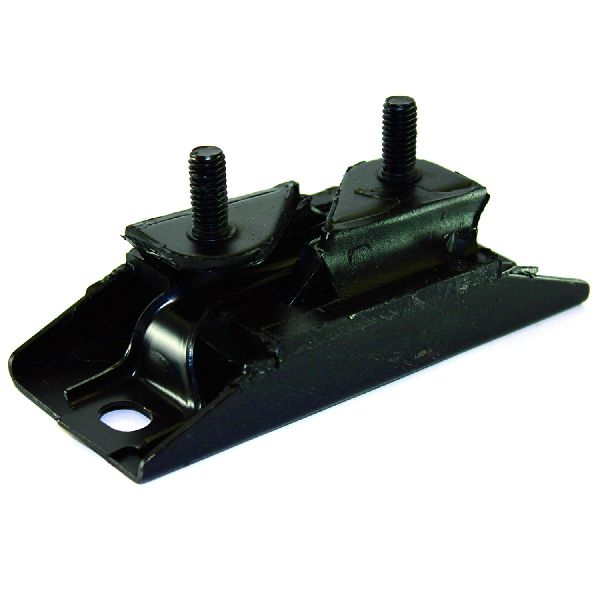
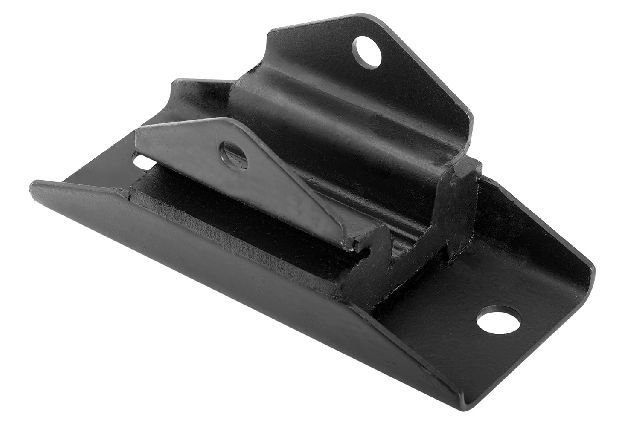
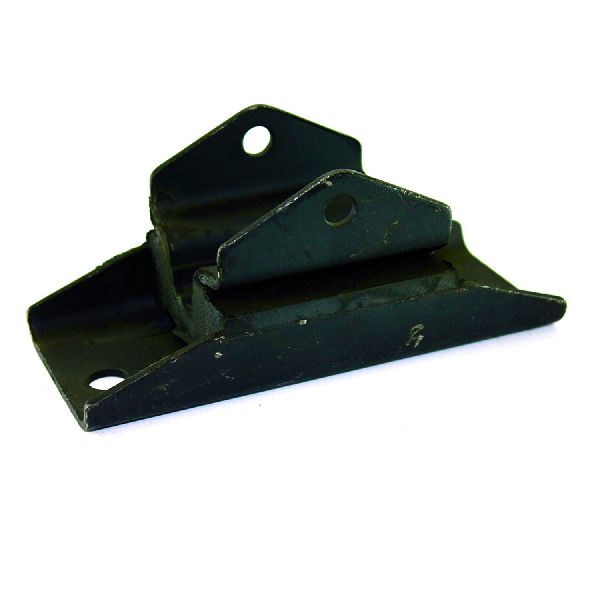
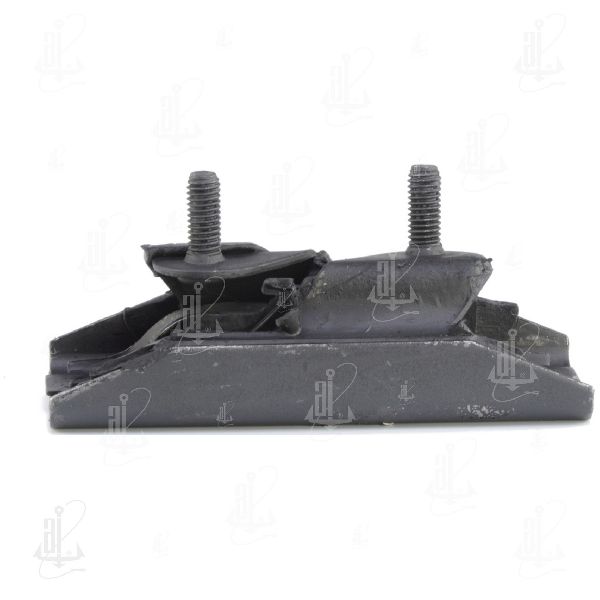
The mount for the 1966-1977 Bronco supports the transmission/transfer case adapter and bolts to the central crossmember. All factory configurations (6-cylinder, V8, manual, automatic) used the same mount design.
We Have This Part in Stock


The information in this article is provided for general reference and educational purposes only. Vehicle specifications, procedures, and part compatibility can vary by production date, trim level, and region. Always consult your vehicle's factory service manual and verify part numbers before purchasing or performing repairs. Safety-critical components such as airbags, seat belts, and braking systems should be installed by a qualified professional.