

Mercury Capri Electric Fuel Pump Conversion and Upgrade Guide (1966-1975)
Considering a switch from your Capri's original mechanical fuel pump to a more reliable electric setup? Here’s what you need to know.
- This is an upgrade from a mechanical pump, not a direct replacement. It requires new wiring and mounting.
- You must use a low-pressure electric pump (4-9 PSI) to avoid flooding the carburetor.
- Mount the new pump close to the fuel tank and use a relay and fuse for safe electrical operation.
- Brands like Mr. Gasket are a common value choice, but may be noisy; use rubber mounts to reduce vibration.
Is an Electric Fuel Pump a Worthwhile Upgrade for Your Capri?
For most owners of classic cars like the 1966-1975 Mercury Capri, the original mechanical fuel pump works fine for daily driving. However, these pumps are now over 50 years old, and their internal diaphragms can fail. When this happens, you might experience poor engine performance, or worse, fuel can contaminate your engine oil, causing serious damage. Converting to an external, low-pressure electric fuel pump is a popular and practical upgrade. It provides more consistent fuel delivery, which can make your carbureted engine run smoother and start more easily.
Pro Tip: This is a Conversion, Not a Direct Replacement
Remember, you are not replacing an old electric pump; you are converting from a mechanical system. This involves bypassing the original pump, installing a block-off plate on the engine, mounting the new electric pump near the fuel tank, and running new electrical wiring with a relay and fuse.
Symptoms of a Failing Mechanical Fuel Pump
If you're experiencing any of these issues, your original mechanical pump might be on its way out, making it a good time to consider an electric conversion.
- Difficulty Starting: The engine cranks for a long time before it starts, especially when it's been sitting.
- Engine Sputtering or Hesitating: At higher speeds or under acceleration, the engine may sputter or lose power as the pump fails to supply enough fuel.
- Stalling at Idle: The engine may stall when warm or at idle due to inconsistent fuel pressure.
- Visible Fuel Leaks: You may see fuel leaking from the pump body itself.
- Fuel in Engine Oil: This is a critical failure. If the pump's diaphragm ruptures, it can dump raw fuel directly into the engine's crankcase, thinning the oil and leading to catastrophic engine damage.
Choosing the Right Aftermarket Electric Fuel Pump
For a carbureted Capri, you need a low-pressure electric fuel pump. Using a high-pressure pump meant for fuel injection will overwhelm your carburetor and cause flooding. Look for pumps rated between 4 and 9 PSI.
Available Brands: GMB vs. Mr. Gasket
Your main choices in the aftermarket are typically value-oriented brands that are well-suited for this type of conversion.
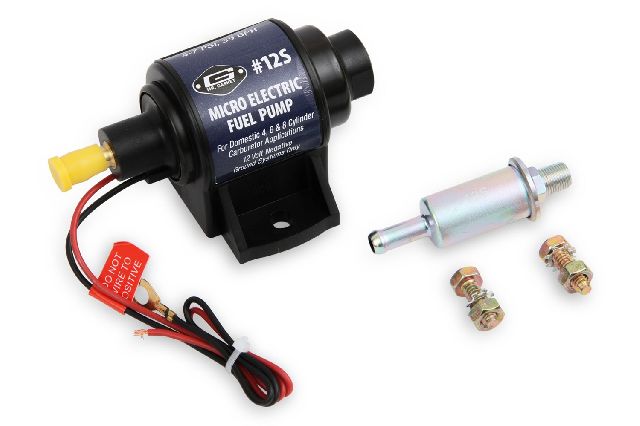
- Mr. Gasket: This is a very common choice for carburetor applications. Reviews show they are generally effective, affordable, and easy to install. The main complaint is that they can be noisy. Many owners recommend mounting the pump with rubber isolators to reduce the humming or buzzing sound. While many users have good experiences, there are some reports of premature failure.
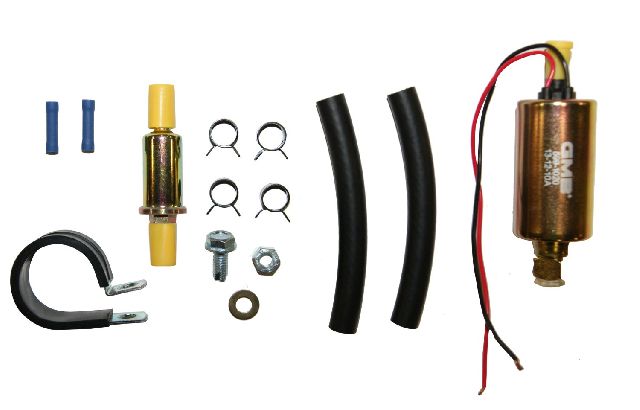
- GMB: GMB positions itself as a manufacturer of OE-quality parts, often for Japanese automakers. They highlight quality materials like high-grade aluminum casings for better heat dissipation and pure copper wiring. While GMB has a reputation for quality, most online reviews focus on their mechanical pumps or other components, with less specific feedback available for their universal electric pumps. They represent a choice focused on build quality standards.
Important: Safety First During Installation
Installing an electric fuel pump requires running new electrical wires. It is critical to use a relay and a fuse to power the pump. For added safety, the relay should be wired so the pump only runs when the ignition is on and the engine is running. Many people wire the relay to a source that is only active when the engine has oil pressure or the alternator is charging.
| Item | Estimated Cost |
|---|---|
| New Aftermarket Electric Fuel Pump | $52.59 - $77.63 |
| Shop Labor for Conversion | $200 - $400 |
| New OEM Electric Pump | Not Applicable |
| Used OEM Mechanical Pump | $25 - $75 (Varies) |
Cost estimates are for reference only and do not include taxes, fees, or related parts like wiring kits, hoses, or block-off plates.
Frequently Asked Questions
Do I need a fuel pressure regulator?
It's a very good idea. Even low-pressure electric pumps can sometimes provide more pressure than a carburetor's needle and seat can handle. A simple, adjustable fuel pressure regulator set to the correct PSI for your carburetor is a cheap and effective way to prevent flooding and ensure smooth operation.
Where should the electric fuel pump be mounted?
Electric pumps are designed to push fuel, not pull it. For best results, mount the pump as close to the fuel tank as possible and at a low point in the chassis. This ensures it has a steady supply of fuel and doesn't have to work as hard.
Are there any recalls for the 1966-1975 Mercury Capri fuel pump?
No. Searches of the National Highway Traffic Safety Administration (NHTSA) database show no fuel system recalls for the 1966-1975 Mercury Capri. Any recalls found are for much newer models.
Can I install an electric fuel pump myself?
If you are comfortable with basic automotive wiring and working with fuel lines, this is a feasible DIY project. It involves mounting the pump, plumbing the fuel lines, and wiring a relay. However, due to the fire risk associated with improper fuel and electrical work, having a professional mechanic perform the conversion is the safest option if you are unsure.
Technical Specifications
Pump Type: External (Inline) Electric Pump Pressure Rating: 4-9 PSI (for carbureted engines) Inlet/Outlet Size: Varies by model, typically 1/4" or 5/16"
We Have This Part in Stock

The information in this article is provided for general reference and educational purposes only. Vehicle specifications, procedures, and part compatibility can vary by production date, trim level, and region. Always consult your vehicle's factory service manual and verify part numbers before purchasing or performing repairs. Safety-critical components such as airbags, seat belts, and braking systems should be installed by a qualified professional.
- 🛍️ Shop This Part
- Is an Electric Fuel Pump a Worthwhile Upgrade for Your Capri?
- Pro Tip: This is a Conversion, Not a Direct Replacement
- Symptoms of a Failing Mechanical Fuel Pump
- Choosing the Right Aftermarket Electric Fuel Pump
- Available Brands: GMB vs. Mr. Gasket
- Important: Safety First During Installation
- Frequently Asked Questions
- 🎟️ Get 5% Off