

Choosing the Right Spark Plugs for Your 1966-1976 BMW 2002
Keep your classic M10 engine running smoothly with the correct set of new aftermarket spark plugs.
- Stick with standard copper spark plugs from NGK (BP5ES/BP6ES) or Bosch (W8DC), as they are highly recommended by other 2002 owners.
- Avoid using modern platinum or iridium plugs, as they are not suitable for the M10 engine's original ignition system.
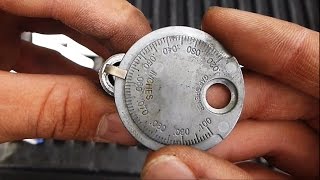
- Always check and adjust the spark plug gap to factory specifications (around 0.024"-0.028") before installation.
- Replacing spark plugs is an easy and inexpensive DIY job that should be done annually or every 10,000-15,000 miles for best performance.
Symptoms of Failing Spark Plugs
Worn-out spark plugs can cause several noticeable problems in your BMW 2002. Because these cars have simpler engine systems, the effects of a bad plug are often easy to spot. You might experience a rough idle, where the car shakes or sputters when stopped. Another common sign is an engine misfire, which can feel like a hesitation or stumble during acceleration. Other symptoms include difficulty starting the engine, reduced fuel economy, and a general lack of power.
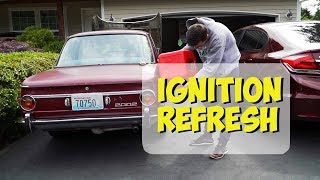
🎬 Watch: Full ignition system refresh for your classic BMWChoosing the Right Aftermarket Spark Plug
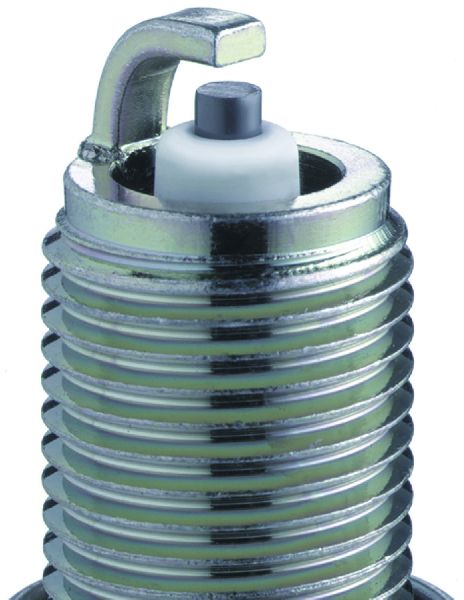
For the vintage M10 engine in the 1966-1976 BMW 2002, selecting the right spark plug is straightforward. While several brands are available, owner forums and mechanics consistently recommend sticking to traditional copper plugs from NGK or Bosch. These brands were often original equipment for BMWs of this era.
Recommended Spark Plugs for BMW 2002
| Brand Tier | Brand & Model | Key Features & Owner Feedback |
|---|---|---|
| Highly Recommended | NGK BP5ES / BP6ES | Considered the go-to choice by many 2002 owners for stock or lightly modified engines. They are praised for reliability and consistent performance. The BP6ES is a slightly colder plug than the BP5ES. Avoid modern iridium or platinum plugs, as the M10's ignition system was not designed for them. |
| Good Alternative | Bosch WR8DC / W8DC | A solid OEM-quality choice. Some owners have noted that modern Bosch quality can be inconsistent, but they remain a viable option. Ensure you get the correct heat range for your car; a hotter plug like the W8DC may be suitable for engines that tend to run rich. |
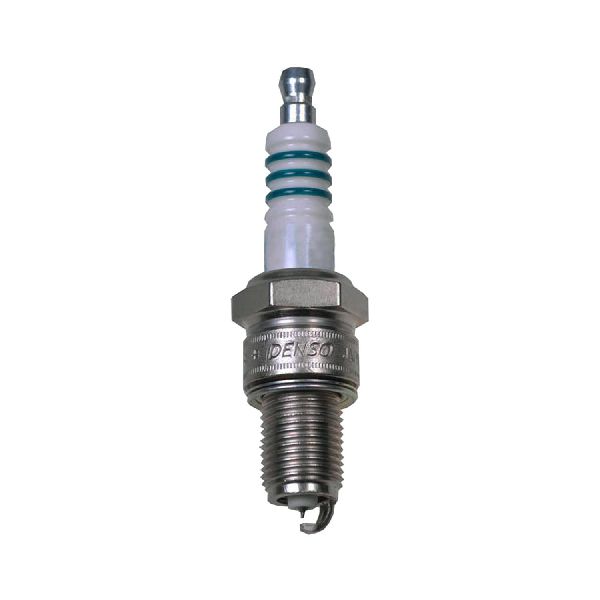
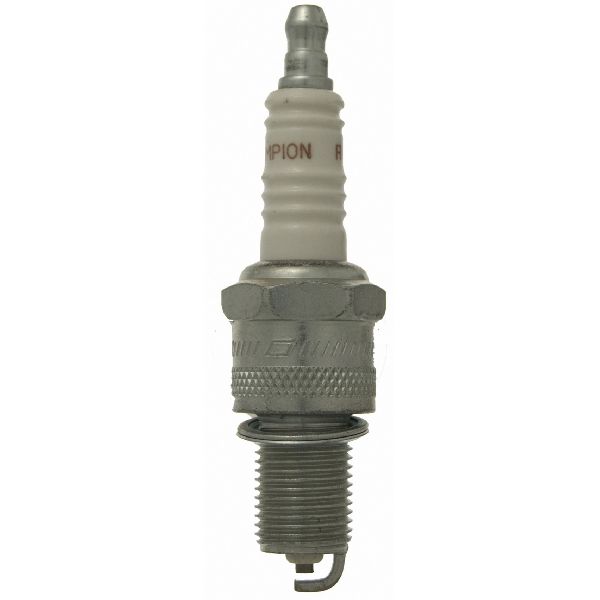
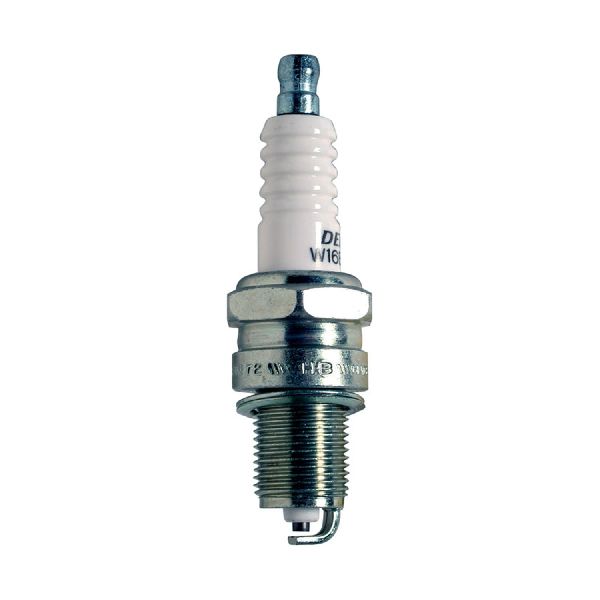
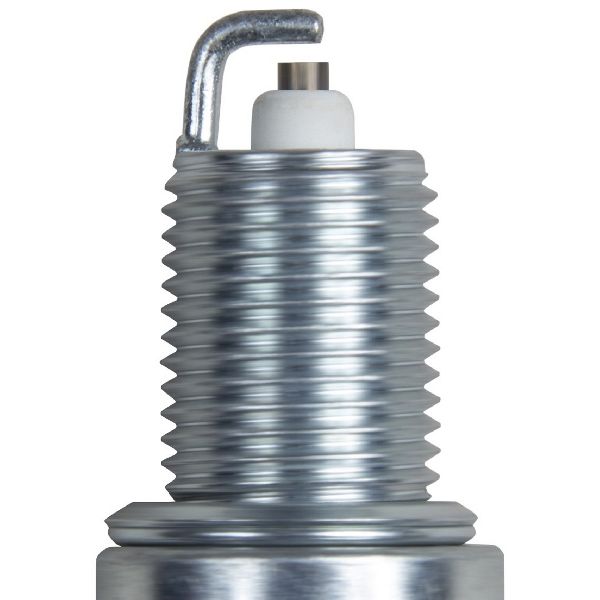
| Other Options | Autolite, Champion, Denso | While available, these brands are less commonly discussed and recommended in the BMW 2002 community compared to NGK and Bosch. For best results, sticking with the community-preferred brands is a safe bet. |
Avoid Platinum and Iridium Plugs: The ignition systems in these classic cars are not designed for modern precious-metal spark plugs. Using them can lead to poor performance. Stick with the standard, proven copper-core plugs.
Known Issues, Recalls, and TSBs
There are no specific recalls or Technical Service Bulletins (TSBs) from the NHTSA related to spark plugs for the 1966-1976 BMW 2002. Any issues are typically related to normal wear, incorrect installation, or using the wrong type of plug. A common mistake is using a plug with the wrong thread length or "reach," which can cause poor performance or even engine damage. Always verify the part number before installing.
🎬 Watch: Troubleshooting high-RPM engine problems and factory resetsInstallation Pro-Tips
- Work on a Cold Engine: Always replace spark plugs when the engine is cold to avoid damaging the aluminum cylinder head threads.
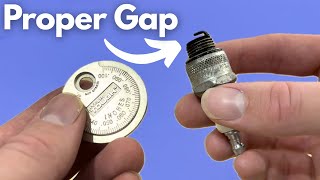
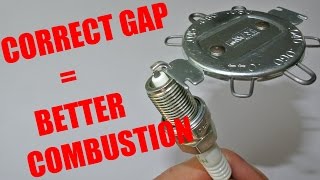
- Check the Gap: Even if plugs come "pre-gapped," always verify the gap with a tool. 🎬 See how to properly gap your new spark plugs For a stock 2002, the gap should be around 0.024" to 0.028". If you have an aftermarket electronic ignition, you may be able to run a slightly larger gap, such as 0.032"-0.035".
- Hand-Tighten First: To prevent cross-threading, always thread new plugs by hand until they are seated. Then, use a torque wrench to tighten them to the manufacturer's specification.
- Anti-Seize Debate: Some mechanics recommend a small amount of anti-seize on the threads, while others advise against it, stating it can affect grounding and torque readings. If you use it, apply only a very small amount to the threads, avoiding the electrode.
Frequently Asked Questions (FAQ)
How often should I change the spark plugs on my BMW 2002?
For a daily driver using standard copper plugs, a good interval is every 10,000 to 15,000 miles, or once a year. Since the job is easy and the parts are inexpensive, frequent changes are good preventative maintenance.
What is a spark plug "heat range"?
The heat range refers to how quickly the spark plug transfers heat away from its tip. A "hotter" plug transfers heat more slowly, which helps burn off carbon deposits on cars that run rich or are driven for short trips. A "colder" plug transfers heat faster and is used for high-performance engines that run hotter. For most stock 2002s, a standard heat range like the NGK BP5ES or BP6ES is correct.
What's the difference between resistor and non-resistor plugs?
Resistor plugs (like NGK BPR6ES) have a built-in resistor to suppress radio frequency interference (RFI) that can cause static in your radio. If your spark plug connectors already have built-in resistance, you should use non-resistor plugs (like NGK BP6ES). Using both can create a weak spark.
Is it okay to use a modern aftermarket brand in my classic BMW?
Yes, using a modern aftermarket plug from a quality OEM supplier like NGK or Bosch is perfectly fine and often recommended. These companies were the original suppliers for BMW. The key is to use the correct type of plug (standard copper) rather than newer technologies like iridium or platinum that are not compatible with the 2002's ignition system.
Helpful Videos

Technical Specifications
OEM Part Numbers: 12121338145
Thread Size: M14x1.25 Thread Reach: 19mm (3/4") Socket Size: 13/16" (20.8mm) Recommended Gap (Stock Ignition): 0.024" - 0.028"
We Have This Part in Stock

The information in this article is provided for general reference and educational purposes only. Vehicle specifications, procedures, and part compatibility can vary by production date, trim level, and region. Always consult your vehicle's factory service manual and verify part numbers before purchasing or performing repairs. Safety-critical components such as airbags, seat belts, and braking systems should be installed by a qualified professional.