

A Guide to Spark Plugs for the 1966-1977 Dodge Charger
Keep your classic Mopar engine firing on all cylinders with the correct set of plugs.
- For most stock 1966-1977 Chargers, standard copper-core plugs from brands like Autolite or NGK are the best choice.
- CRITICAL: Verify your engine's required thread reach. Big blocks with iron heads usually need short 3/8" plugs to avoid engine damage.
- Avoid expensive platinum or iridium plugs, as they offer no benefit and can perform worse with the original ignition system.
- Always check and set the spark plug gap to your engine's specifications (usually 0.035") before installation.
Signs Your Charger Needs New Spark Plugs
Worn or incorrect spark plugs can cause a variety of issues in your classic Charger. Because these engines are simpler than modern ones, they are very sensitive to spark quality. Look out for these common symptoms:
- Rough Idle: The engine may shake or run unevenly when stopped.
- Engine Misfires: You might feel a hesitation or stumble during acceleration as a cylinder fails to fire properly.
- Difficulty Starting: A weak spark makes it harder for the engine to turn over, especially when cold.
- Reduced Fuel Economy: Inefficient combustion means you're not getting the most power out of your fuel, leading to more trips to the gas station.
- Fouled Plugs: When you pull a plug, it might be black, wet, or oily. This can indicate other engine issues, but it often points to a plug that is the wrong heat range or is simply worn out.
CRITICAL: Check Thread Reach Before You Buy
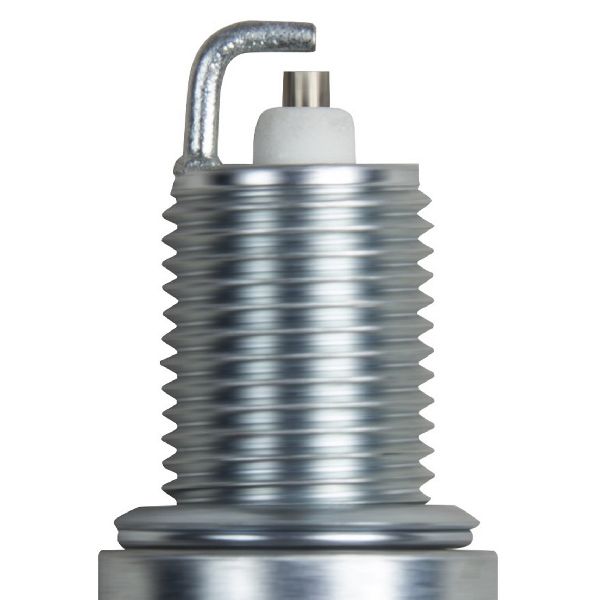
The single most common and costly mistake is buying plugs with the wrong thread reach. Original iron heads on most 1966-1977 Charger big block engines (383, 400, 440, 426 Hemi) require a short, 3/8-inch reach spark plug. Small block engines (like the 318) and many aftermarket aluminum heads use a longer 3/4-inch reach plug. Installing a long-reach plug into a head designed for a short-reach plug will cause the plug to hit the piston, leading to catastrophic engine damage. Always verify the requirements for your specific cylinder heads.
Choosing the Right Aftermarket Spark Plug
For a classic vehicle like the 1966-1977 Charger, sticking to basics is usually the best approach. The original ignition systems were designed for standard copper-core spark plugs, and most owners find they work best.
OEM-Style / Standard Replacement
These are your go-to plugs for a stock or mildly modified engine. They are affordable and perform exactly as the original engineers intended.
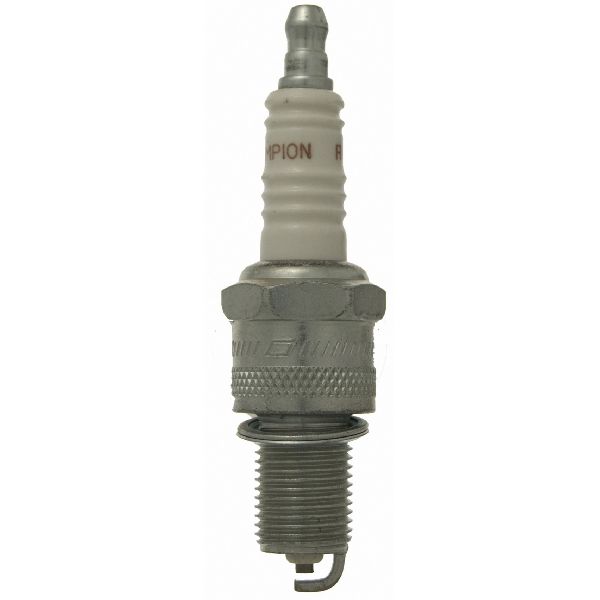
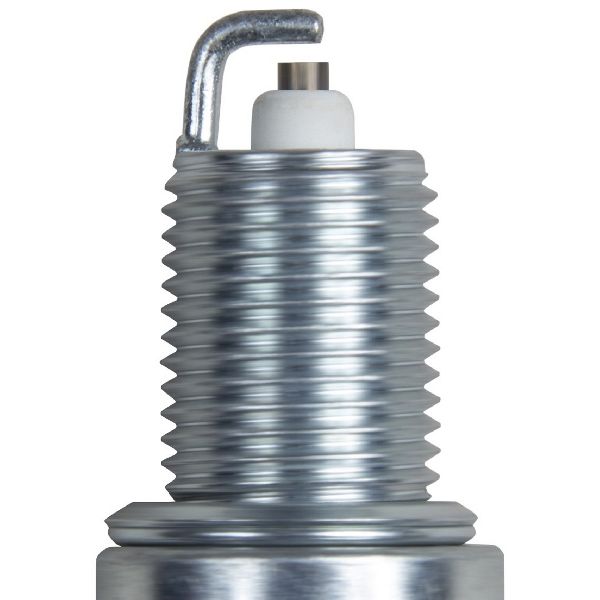
- Champion: This was the original equipment (OE) brand for Mopar in this era. Many purists stick with Champion for originality. While some forum users feel modern quality isn't the same as the old days, they remain a solid choice for a stock setup.
- Autolite: A very popular and trusted alternative. Many owners report that Autolite copper plugs are reliable, readily available, and sometimes less prone to fouling than other brands. The Autolite 85 is a frequently mentioned part number for big block applications.
Popular Upgrade Tier
If you're looking for a slight edge in quality and performance without straying from the original design principles, this is your category.
- NGK: NGK copper plugs, particularly the V-Power line, are highly recommended by a large number of classic Mopar owners. They have a strong reputation for consistent quality, resisting fouling, and providing a reliable spark.
Performance & Modified Engines
If your Charger has significant modifications like a high-compression build, a performance camshaft, or an upgraded ignition system (like an MSD box), you might consider a plug from a performance brand.
- Accel & MSD: These brands are known for performance ignition components. Their spark plugs are typically designed for the higher demands of a modified engine. However, for a stock engine, they are unnecessary and offer no real benefit.
A Note on Platinum and Iridium Plugs
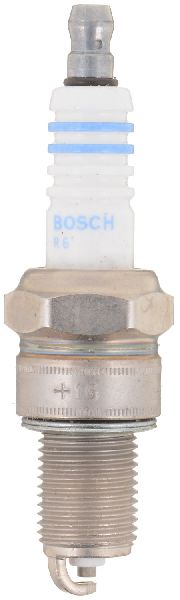
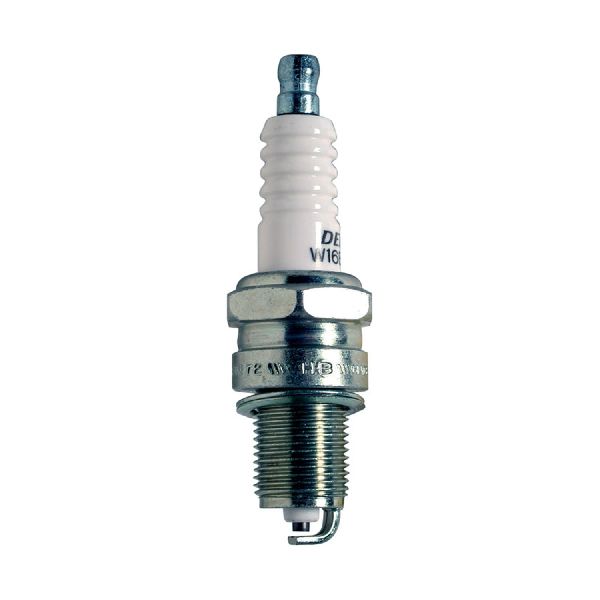
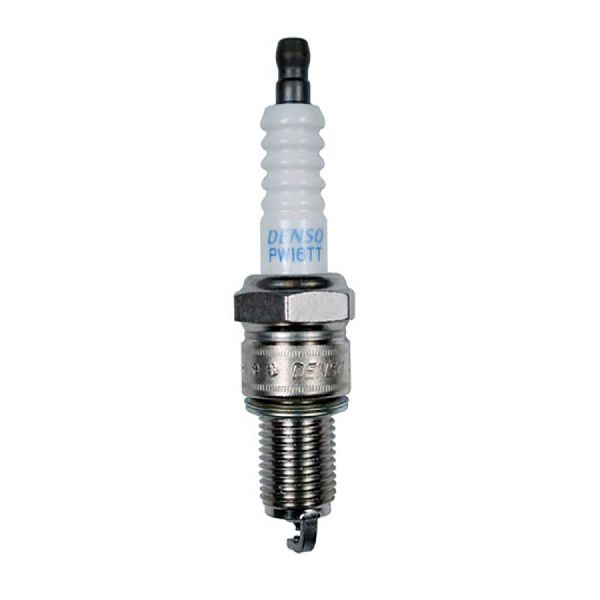
While brands like Bosch, Denso, and NGK make excellent modern plugs from materials like platinum and iridium, they are generally not recommended for a stock 1966-1977 Charger. The lower-energy vintage ignition systems were not designed for them. Owners almost universally report that these expensive plugs offer no performance gain and can even lead to a rougher-running engine compared to standard copper plugs.
Aftermarket Spark Plug Cost for 1966-1977 Dodge Charger
| Tier | Price Range (per plug) | Notes |
|---|---|---|
| Standard Copper (Autolite, Champion) | $3.50 - $8.00 | Best choice for most stock vehicles. |
| Upgrade Copper (NGK V-Power) | $4.00 - $10.00 | Excellent reputation for quality and performance. |
| Performance (Accel, MSD) | $6.00 - $25.00 | For modified engines with upgraded ignitions. |
| Platinum / Iridium (Bosch, Denso) | $8.00 - $81.18 | Generally not recommended for stock ignition systems. |
Pro Tip: Reading Your Old Plugs
When you remove your old spark plugs, lay them out in order of their cylinders. The color and condition of the electrode can tell you a lot about your engine's health. A light tan or grayish color indicates a healthy, well-tuned engine. Black, sooty plugs can mean the fuel mixture is too rich or the plug's heat range is too cold. White, blistered insulators can mean the engine is running lean or the plug is too hot.
Frequently Asked Questions
How often should I change the spark plugs on my Charger?
For a classic car using standard copper plugs, a good interval is every 10,000 to 15,000 miles or every couple of years. Since these plugs are inexpensive, changing them is cheap insurance against ignition problems.
Do I need to gap new spark plugs?
Yes. Never assume a new spark plug is gapped correctly out of the box. Always use a feeler gauge to check and adjust the gap to your engine's specific requirements, which is typically around 0.035 inches for these vehicles. An incorrect gap can lead to a weak spark and poor performance.
What is a spark plug's "heat range"?
Heat range refers to how quickly the spark plug transfers heat away from its tip into the cylinder head. A "hotter" plug dissipates heat more slowly, which helps burn off carbon deposits at low speeds. A "colder" plug dissipates heat more quickly to prevent overheating and pre-ignition under high-performance conditions. For a stock engine, the standard recommended heat range is almost always the correct choice.
Is replacing spark plugs a good DIY job?
Yes, this is a very common DIY task. Access can be tight, especially on big block engines, and may require a combination of socket extensions and swivels. The most important things are to work on a cold engine, ensure no dirt falls into the cylinders, and not to overtighten the new plugs.
Technical Specifications
OEM Part Numbers: Champion J11Y Champion J12Y Champion N12YC
Thread Reach: 3/8" (for most original Big Block iron heads) or 3/4" (for Small Block and many aftermarket heads). Typical Gap: 0.035 inches (always verify for your specific engine). Material: Copper Core is recommended for stock ignition systems.
We Have This Part in Stock

The information in this article is provided for general reference and educational purposes only. Vehicle specifications, procedures, and part compatibility can vary by production date, trim level, and region. Always consult your vehicle's factory service manual and verify part numbers before purchasing or performing repairs. Safety-critical components such as airbags, seat belts, and braking systems should be installed by a qualified professional.
- 🛍️ Shop This Part
- Signs Your Charger Needs New Spark Plugs
- CRITICAL: Check Thread Reach Before You Buy
- Choosing the Right Aftermarket Spark Plug
- OEM-Style / Standard Replacement
- Popular Upgrade Tier
- Performance & Modified Engines
- A Note on Platinum and Iridium Plugs
- Aftermarket Spark Plug Cost for 1966-1977 Dodge Charger
- Pro Tip: Reading Your Old Plugs
- Frequently Asked Questions
- 🎟️ Get 5% Off