

Ford Bronco Brake Light Switch Guide: 1966-1977 Models
Don't get rear-ended—a faulty brake light switch is a critical but simple fix for your classic Bronco.
- You must identify your Bronco's year first: 1966 uses a hydraulic switch on the master cylinder, while 1967-1977 use a mechanical switch on the pedal.
- The 1966 hydraulic switch is known to fail, especially with upgraded brakes; converting to a mechanical switch is a common modification.
- For 1967-1977 models, replacement is a very simple 10-minute DIY job.
- If a new switch doesn't fix the problem, check the turn signal switch and taillight grounds next.
Is Your Brake Light Switch Failing?
A bad brake light switch is a major safety hazard. The symptoms are usually obvious, making it easy to diagnose. If you notice any of these signs, you should inspect the switch immediately.
- Brake lights do not turn on: This is the most common and dangerous symptom. If you've checked the bulbs and fuses, the switch is the next logical culprit.
- Brake lights stay on: A switch that is stuck in the 'on' position will keep your brake lights illuminated, draining your battery and confusing drivers behind you.
- Intermittent brake lights: The lights may flicker or only work when you press the pedal extra hard. This points to a worn-out internal contact in the switch.
A Critical Year-Specific Difference: 1966 vs. 1967-1977
Before buying a replacement, you must know which switch your Bronco uses. This is based on the model year.
1966 Bronco (Hydraulic Switch): The '66 model uses a hydraulic pressure switch that threads into the master cylinder. It activates when it senses a pressure increase from you pressing the brake pedal. These switches are known to be a weak point, especially on Broncos with upgraded brake systems like a hydroboost or four-wheel disc brakes, as the increased pressure can cause them to fail. Some owners choose to convert their '66 to the later mechanical style for better reliability.
🎬 See how to perform a custom brake pedal and switch conversion.1967-1977 Bronco (Mechanical Switch): These model years use a more common mechanical switch. It mounts directly to the brake pedal assembly under the dashboard. When you press the pedal, the pedal arm moves and allows the switch's plunger to extend, completing the electrical circuit. These switches are generally reliable and very easy to replace.
Pro Diagnosis Tip
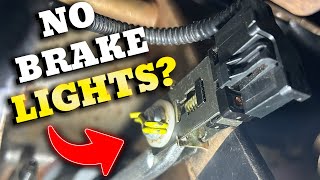
For 1967-1977 models, you can quickly test a suspect switch. Unplug the two wires from the switch and use a small jumper wire to connect the two terminals on the wiring harness plug. If your brake lights turn on, you have confirmed the switch is bad and needs replacement.
🎬 Watch: How to test and fix your Ford brake light switch.Choosing the Right Aftermarket Brake Light Switch
For a vehicle of this age, New Old Stock (NOS) OEM parts are extremely rare and expensive. The aftermarket is the primary source for these switches, offering good quality and value.
Standard Ignition (Standard Motor Products): This is a widely available and well-regarded brand in the aftermarket. Reviews for their switches are generally positive, and they are known for producing reliable parts that fit correctly. Given their long history and availability from most auto parts stores, Standard is a dependable choice for both the hydraulic and mechanical style switches.
Rostra Powertrain: Rostra is a known manufacturer of automotive electronics, and their marketing highlights quality materials and testing. However, finding a specific brake light switch from Rostra for the 1966-1977 Bronco is difficult, as their catalogs often focus on newer vehicles. While they are a reputable brand, Standard Ignition is a more common and proven option for this particular application.
| Part Type | Estimated Cost |
|---|---|
| New Aftermarket | $10.92 - $25.42 |
| New OEM (NOS) | Varies, typically $50+ if found |
| Shop Labor | $50 - $150 |
Note: Labor costs for the 1966 hydraulic switch may be higher as the repair requires bleeding the brakes.
Frequently Asked Questions
Where is the brake light switch located on my Bronco?
On a 1966 Bronco, it's a pressure switch threaded into the master cylinder in the engine bay. On a 1967-1977 Bronco, it's a mechanical switch attached to the brake pedal support bracket, located up under the dashboard.
Can I replace the brake light switch myself?
For 1967-1977 models: Yes, this is a very easy DIY job. The switch is held by a simple clip, requires no special tools, and can be replaced in about 10 minutes. For 1966 models: This is more difficult. Replacing the hydraulic switch requires opening the brake lines, which means you will need to bleed the brake system after installation. This is a moderately difficult task for a DIYer.
What if a new switch doesn't fix my brake lights?
If a new switch, good bulbs, and good fuses don't solve the problem, the issue lies elsewhere in the circuit. The most common culprits are a bad ground wire at the taillights, a corroded pin in the firewall wiring connector, or a faulty turn signal switch, which the brake light power runs through.
🎬 Watch this guide to fixing brake lights and blinker wiring issues.Is there a recall on the Bronco brake light switch?
No, there are no active recalls or Technical Service Bulletins (TSBs) from the NHTSA for the brake light switch on 1966-1977 Ford Broncos. Any recalls you may see are for modern Bronco models.
Helpful Videos
Technical Specifications
OEM Part Numbers: C9OZ-13480-A (1967-1977 Mechanical Switch)
Switch Type: Hydraulic Pressure (1966) or Mechanical Plunger (1967-1977). Terminal Quantity: 2-pin.
We Have This Part in Stock


The information in this article is provided for general reference and educational purposes only. Vehicle specifications, procedures, and part compatibility can vary by production date, trim level, and region. Always consult your vehicle's factory service manual and verify part numbers before purchasing or performing repairs. Safety-critical components such as airbags, seat belts, and braking systems should be installed by a qualified professional.