

Ford Bronco Ignition Lock Cylinder Replacement Guide (1966-1978)
Is your Bronco's key stuck or refusing to turn? Here is what you need to know about replacing the ignition lock cylinder.
- Replacement is a very simple DIY job requiring only a paper clip and about 15-30 minutes.
- Symptoms include a key that is sticky, gritty, or won't turn at all.
- Aftermarket brands like Dorman and Standard Ignition are the most practical and affordable choices.
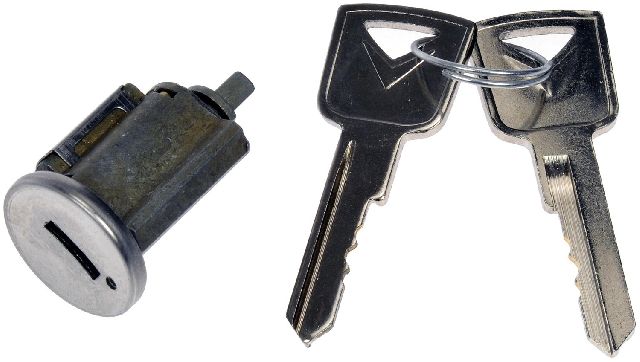
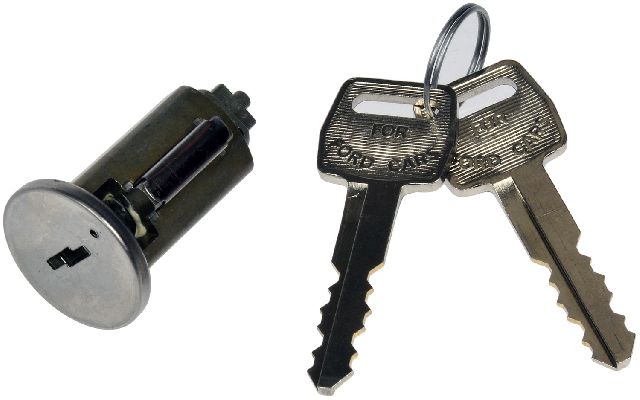
- A new cylinder comes with new keys; your old ignition key will no longer work.
Signs of a Failing Ignition Lock Cylinder
Ignition lock cylinders on classic Ford Broncos fail from simple wear and tear after decades of use. Heavy keychains can also accelerate wear on the internal tumblers. Here are the most common signs that your lock cylinder needs to be replaced:
- Key is Hard to Turn: You might feel a gritty or binding sensation when turning the key. It may feel like it's catching on something inside.
- Key Gets Stuck: The key may get stuck in the OFF, ACC, or ON position. Some owners report the key getting stuck in the START position, which can damage the starter if not addressed.
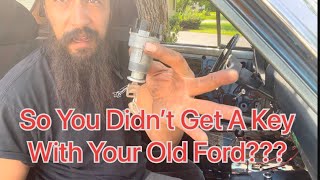
- Key Won't Turn at All: The cylinder may seize completely, preventing you from starting the vehicle. This can happen suddenly, leaving you stranded. 🎬 Learn how to replace the cylinder if your key won't turn.
- Loose or Worn Feeling: If you have to jiggle the key to get it to work, the internal pins and the key itself are likely worn out.
Cylinder vs. Switch
Be sure to distinguish between the lock cylinder and the ignition switch. The cylinder is the mechanical part the key enters. The switch is the electronic part behind it that sends power. If you have power to accessories but the truck won't crank, the problem could be in either part, but if the key action feels wrong, the cylinder is the prime suspect.
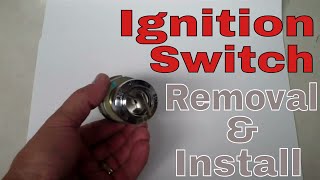
🎬 See how to remove and install the full ignition switch assembly.Choosing the Right Aftermarket Part
For a 1966-1978 Bronco, finding a brand new Original Equipment (OEM) part from Ford is nearly impossible. The market consists almost entirely of aftermarket replacements, which are affordable and widely available.
| Brand Tier | Our Brands | Quality & Notes |
|---|---|---|
| Standard Aftermarket | Dorman, Standard Ignition (SMP) | Both Dorman and Standard Ignition offer direct-fit replacements that are budget-friendly. Standard Ignition is a well-regarded brand for electrical and ignition components. Dorman is a major aftermarket supplier known for providing cost-effective parts that often include any necessary hardware. Some owners in forums have noted that aftermarket cylinders can sometimes feel less smooth than the original or require minor adjustments for a perfect fit. |
| OEM / New Old Stock (NOS) | Ford (Discontinued) | An original Ford part would be considered "New Old Stock" (NOS). These parts are rare, expensive, and generally unnecessary for this repair. Aftermarket options provide the same function at a much lower cost. |
A Note on Model Years: The Ford Bronco was completely redesigned for the 1978 model year. While many vendors list the same ignition lock cylinder for the entire 1966-1978 range, the electrical ignition switch is different for 1978-1979 models. Always double-check that the part you are ordering is confirmed to fit your specific year before purchasing.
Typical Replacement Costs
Replacing the ignition lock cylinder is one of the more affordable repairs for a classic Bronco. The part itself is inexpensive, and labor is minimal.
| Part Type | Part Cost | Shop Labor Cost | Total Cost |
|---|---|---|---|
| Aftermarket Cylinder | $16.60 - $26.90 | $50 - $150 | $66.60 - $176.90 |
Easy DIY Replacement
This is a very simple job you can do at home in under 30 minutes. Turn the key to the 'ACC' position. Insert a paper clip into the small hole on the face of the cylinder to depress the retaining pin. Turn the key a little more counter-clockwise and the entire cylinder will slide right out. No special tools are needed.
🎬 Watch this quick walkthrough of the tumbler removal and installation.Frequently Asked Questions (FAQ)
Will I need new keys?
Yes, a new aftermarket ignition lock cylinder will come with a new set of keys. Your old keys will no longer work in the ignition. Your door locks will still use the old key unless you replace them as a matching set.
What is the difference between the lock cylinder and the ignition switch?
The lock cylinder is the mechanical tumbler you put your key into. The ignition switch is the electrical component located behind the cylinder that actually sends power to the vehicle's systems. A bad cylinder prevents the switch from being turned correctly.
Can I re-key the new cylinder to match my old keys?
Yes, it is possible to transfer the small metal pins (tumblers) from your old cylinder to the new one to keep your original key. However, this is a delicate process and can be difficult. For most owners, simply using the new keys provided is the easiest solution.
Should I use grease or lubricant on the new cylinder?
Do not use wet lubricants like oil or grease, as they can attract dust and gum up the internal mechanism. If you feel lubrication is needed, use a dry graphite lubricant designed for locks.
Were there any recalls for the 1966-1978 Bronco ignition?
No, searches of the National Highway Traffic Safety Administration (NHTSA) database and other records show no recalls or technical service bulletins (TSBs) for the ignition lock cylinder on 1966-1978 Ford Broncos. Recalls you may see online are for modern 2021+ models.
Helpful Videos
Technical Specifications
OEM Part Numbers: C9AZ-11582-A
Dash-mounted mechanical key tumbler. Released by depressing a pin through a hole on the cylinder face while in the 'ACC' position.
We Have This Part in Stock


The information in this article is provided for general reference and educational purposes only. Vehicle specifications, procedures, and part compatibility can vary by production date, trim level, and region. Always consult your vehicle's factory service manual and verify part numbers before purchasing or performing repairs. Safety-critical components such as airbags, seat belts, and braking systems should be installed by a qualified professional.