

A Practical Guide to the Alternator on a 1966-1978 Mercury Capri
Understanding your Capri's charging system is key to keeping it on the road and running strong.
- A failing alternator will give clear signs like dim lights, a battery warning light, and whining noises.
- For a classic Capri, you'll be choosing an aftermarket part; new units from brands like WAI or MPA generally offer better reliability than budget remanufactured options.
- Consider upgrading to a higher-amperage alternator if you have added modern electronics.
- Always compare the pulley on the new alternator to your old one to ensure it matches your belt.
Is Your Alternator Failing? Common Symptoms
An alternator problem in your Capri will show clear warning signs. Because these cars have simpler electrical systems, you'll notice issues quickly. Don't ignore them, or you could be left stranded.
- Dim or Flickering Headlights: This is a classic sign. You may notice your headlights are dim at idle and get brighter when you rev the engine. This means the alternator isn't producing enough power at low speeds.
- Battery Warning Light: The 'ALT' or 'GEN' light on your dashboard is a direct signal of a charging system problem. Even if it only flickers on and off, it needs to be checked.
- Weak or Dead Battery: If your alternator isn't recharging the battery, the battery will eventually die. If you need to jump-start your car frequently, a bad alternator is a likely cause.
- Strange Noises: A whining or grinding sound from the engine bay can point to bad bearings inside the alternator. A squealing noise could be a loose or worn belt that is slipping on the alternator pulley.
- Slow Electrical Accessories: If your power windows (if equipped) seem slow or your radio cuts out, it could be due to the alternator not supplying enough electricity.
Choosing the Right Aftermarket Alternator
For a classic car like the 1966-1978 Mercury Capri, new Original Equipment Manufacturer (OEM) parts are generally not available. You will be choosing from new aftermarket or remanufactured parts. Quality can vary, so it's important to understand your options.
Aftermarket Brand Tiers
| Tier | Brands | Description & Quality Assessment |
|---|---|---|
| Performance / Upgrade | Proform | Often used for performance builds and classic cars. Proform offers higher-output alternators, which are a good choice if you have added modern electronics like a powerful stereo or electric fans. They are often 1-wire units, simplifying installation. Quality is generally rated well by users, but you may need to verify pulley alignment. |
| Premium New Aftermarket | WAI Global, MPA (Quality-Built Supreme) | These brands offer 100% new units, not remanufactured. WAI is known to sometimes include a quality test report in the box. MPA's Quality-Built line is also well-regarded and tested before shipping. Choosing a new unit can reduce the risk of issues sometimes found in remanufactured parts. However, some users have reported WAI units whining or not meeting advertised amperage, so buying from a reputable source is key. |
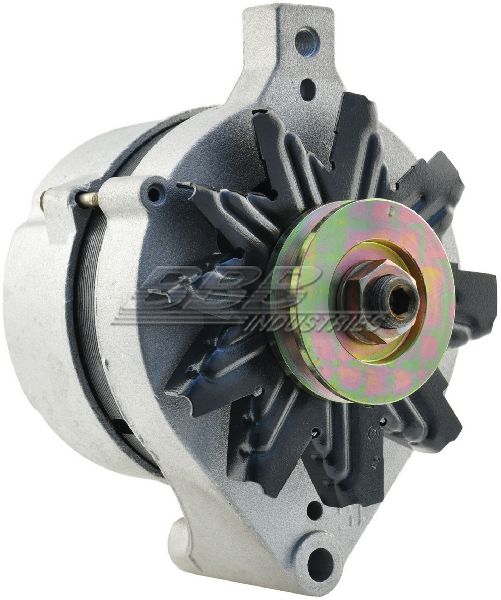
| Standard / Economy | BBB Industries, Remy | These are major players in the remanufactured parts world. BBB supplies many auto parts stores. Remy is a historic brand, but reviews on their modern aftermarket parts are mixed, with some users reporting premature bearing failures. These parts are a cost-effective option, but quality can be less consistent than a premium new unit. |
Pro Tip: Check Your Pulley!
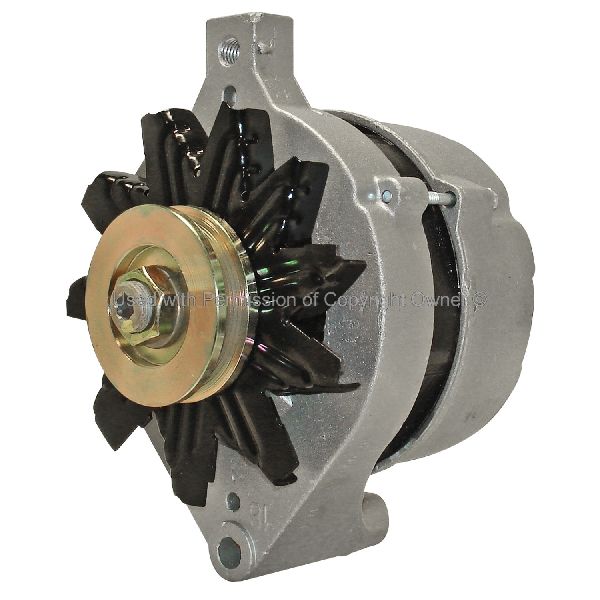
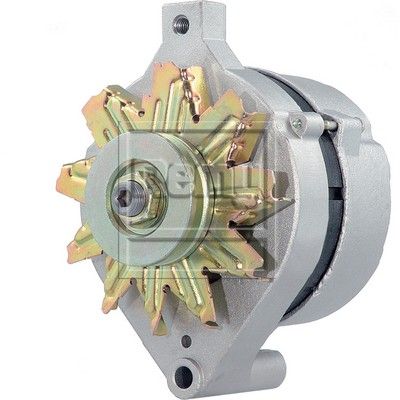
When you receive your new alternator, compare its pulley to your old one. Make sure the number of grooves and the width match your belt. On classic cars, it's not uncommon for an aftermarket part to come with a generic pulley. You may need to swap the pulley from your original alternator onto the new one to ensure proper belt alignment and prevent squealing or belt failure. This was a known issue on later Capri models, highlighting the importance of pulley fitment.
Frequently Asked Questions (FAQ)
Can I install a higher-amperage alternator than the original?
Yes, and it's often a good idea. Original alternators on cars from this era had low output (e.g., 35-55 amps). If you've added any modern accessories like electronic ignition, electric cooling fans, or a modern stereo, a higher-output alternator (e.g., 70-100 amps) will prevent electrical issues. Brands like Proform specialize in these upgrades.
What is a '1-wire' alternator?
A 1-wire alternator is a simple, clean-looking upgrade. It only requires one wire to be connected from the alternator's output post directly to the battery. It has a built-in voltage regulator and is self-exciting (starts charging on its own). This is a popular modification for classic cars to simplify wiring.
Is it hard to replace the alternator on my Capri?
For a mechanically inclined owner, replacing the alternator is a very manageable job. It is usually mounted in an accessible location on the engine. The process involves disconnecting the battery, loosening the belt tensioner, removing the belt, disconnecting the wires, and unbolting the alternator. It typically takes 1-2 hours with basic hand tools.
Should I buy a new or remanufactured alternator?
A new aftermarket alternator from a brand like WAI or MPA uses all-new components and often has a lower failure rate out of the box. A remanufactured unit from a company like BBB or Remy is rebuilt from an original core, with wear items replaced. Remanufactured parts are budget-friendly but can sometimes have inconsistent quality. For a classic car that may not be a daily driver, a premium new unit offers more peace of mind.
Technical Specifications
Varies by engine and year. Key factors to verify are amperage output (stock or upgraded), pulley type (V-belt), and mounting configuration. Externally or internally regulated.
We Have This Part in Stock

The information in this article is provided for general reference and educational purposes only. Vehicle specifications, procedures, and part compatibility can vary by production date, trim level, and region. Always consult your vehicle's factory service manual and verify part numbers before purchasing or performing repairs. Safety-critical components such as airbags, seat belts, and braking systems should be installed by a qualified professional.