

Mercury Capri Mechanical Fuel Pump: A Guide for 1966-1978 Models
Everything a classic Capri owner needs to know before replacing a failing mechanical fuel pump.
- The internal rubber diaphragm is a common failure point, and a rupture can leak fuel into your engine oil, causing severe damage.
- Aftermarket quality is inconsistent; higher-priced brands like Edelbrock may offer better longevity than standard replacements like Carter, which have mixed reviews.
- Modern ethanol-blended gasoline can accelerate the degradation of the pump's diaphragm, leading to premature failure.
- Due to reliability issues, many owners opt to convert to a low-pressure electric fuel pump, though this is a more involved modification.
Is Your Capri's Fuel Pump Failing?
A failing mechanical fuel pump can cause a range of engine problems, from annoying to critical. Because these pumps are wear-and-tear items, and the rubber diaphragm inside can be damaged by modern ethanol-blended fuels, failures are common on classic cars. Catching the signs early can prevent you from being stranded and avoid serious engine damage.
Common Symptoms of a Bad Fuel Pump:
- Engine Sputtering & Hesitation: The car may sputter or feel like it's losing power when you accelerate, climb a hill, or drive at highway speeds. This happens when the pump can't supply enough fuel to meet the engine's demand.
- Stalling: The engine might stall unexpectedly, especially when it's warm or at idle. It may restart after cooling down for a few minutes.
- Hard Starting or No Start: If the pump has failed completely, it won't deliver any fuel to the carburetor, and the engine will crank but not start. A weak pump can also make the car take a long time to start, especially after it has been sitting.
- Visible Fuel Leaks: You might see gasoline dripping from the pump itself. This is a major fire hazard and needs to be addressed immediately.
Critical Failure: Fuel in Engine Oil
The most dangerous failure is a ruptured internal diaphragm. This allows gasoline to leak directly into your engine's crankcase, mixing with the oil. This thins the oil, destroying its ability to lubricate the engine, which can lead to catastrophic engine failure. If you find fuel in your oil, do not drive the car.
Choosing the Right Aftermarket Fuel Pump
Since original Ford (OEM) pumps for this era are no longer made, you'll be choosing from aftermarket brands. Quality can vary significantly, and many owners of classic Fords report high failure rates with modern replacements. Here’s a breakdown of the available brands.
Brand Quality Tiers
- Performance Tier (Edelbrock): Often considered a higher-quality, more durable option. Owners who have used them report better reliability and performance compared to standard replacements, though they come at a higher price. If long-term reliability is your priority, this is a strong choice.
- Standard Replacement Tier (Carter, Delphi, Spectra): These are well-known aftermarket brands. Carter is a historic name in fuel systems, but forum users report that modern quality can be inconsistent, with some experiencing premature failures. In fact, some research suggests brands like Delphi and Airtex may be manufactured by Carter and are identical parts. Spectra is another common choice with a reasonable track record for some users. These pumps are a gamble; you might get one that lasts for years or one that fails quickly.
- Economy Tier (GMB, US Motor Works): These brands typically offer the most budget-friendly options. Less user feedback is available for them on classic Fords, so their quality and longevity are less known. They may be suitable for a temporary fix or a car that is driven infrequently.
A Note on Modern Fuels and Electric Pumps
Many modern mechanical pumps use rubber diaphragms that are not fully resistant to the ethanol in today's gasoline, leading to premature failure. Because of this, many classic car owners choose to convert to a low-pressure (4-7 PSI) electric fuel pump. This is a modification that requires new wiring and mounting but can offer more reliability and easier starting.
Known Issues: Aftermarket Fuel Pump Recall
In 2007, Federal-Mogul issued a recall (NHTSA Campaign ID: 07E-064) for aftermarket fuel pumps sold under several brand names, including Carter. The recall affected pumps made for a wide range of vehicles, including the 1976-1978 Mercury Capri. The issue was an improperly installed diaphragm that could leak fuel, creating a fire hazard. This highlights the known quality control issues in the aftermarket for this part type.
Cost of Replacing a Mercury Capri Fuel Pump
| Part Type | Estimated Cost |
|---|---|
| New Aftermarket Pump | $33 - $90 |
| Shop Labor | $100 - $200 |
| Total Estimated Cost | $133 - $290 |
Cost estimates are for parts and labor and can vary by location and garage.
Frequently Asked Questions
How do I test my mechanical fuel pump?
A simple test is to remove the air cleaner, look down the carburetor's throat, and pump the throttle linkage. You should see a squirt of fuel. If not, the pump may have failed. A more definitive test involves disconnecting the fuel line at the carburetor, placing it in a container, and cranking the engine. You should see strong, steady spurts of fuel. A pressure test with a proper gauge is the most accurate method.
Why do new mechanical fuel pumps fail so often?
Many classic car owners report high failure rates right out of the box or after a short time. This is often attributed to poor quality control in manufacturing and the use of rubber diaphragms that are not fully compatible with the ethanol content in modern gasoline, which can cause them to degrade and rupture.
Is it difficult to replace the fuel pump myself?
For a home mechanic with basic tools, this is a very feasible DIY job. The pump is typically mounted to the side of the engine block with two bolts. The process involves disconnecting the inlet and outlet fuel lines, unbolting the old pump, cleaning the mounting surface, and installing the new pump with a new gasket. The entire job usually takes 1-2 hours.
Is converting to an electric fuel pump a better option?
For many owners, yes. An electric pump provides more consistent fuel pressure, which can improve starting and running. It also eliminates the risk of a diaphragm rupture leaking fuel into the engine oil. However, it is a modification that requires mounting the new pump near the tank and running new, fused wiring, so it is more involved than a direct mechanical replacement.
Technical Specifications
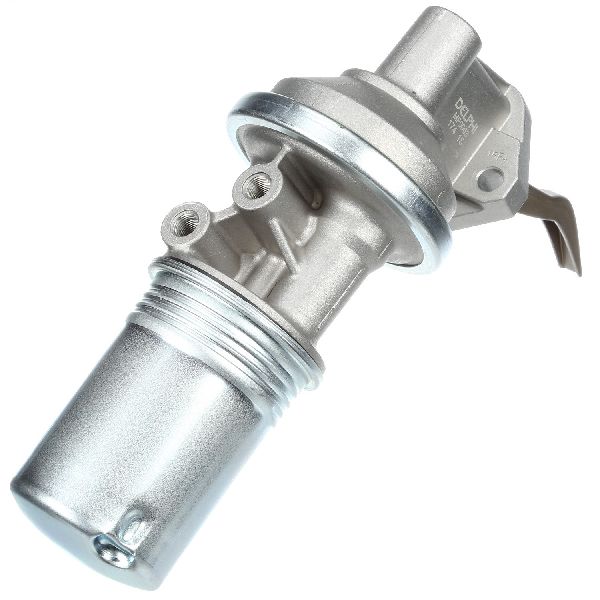
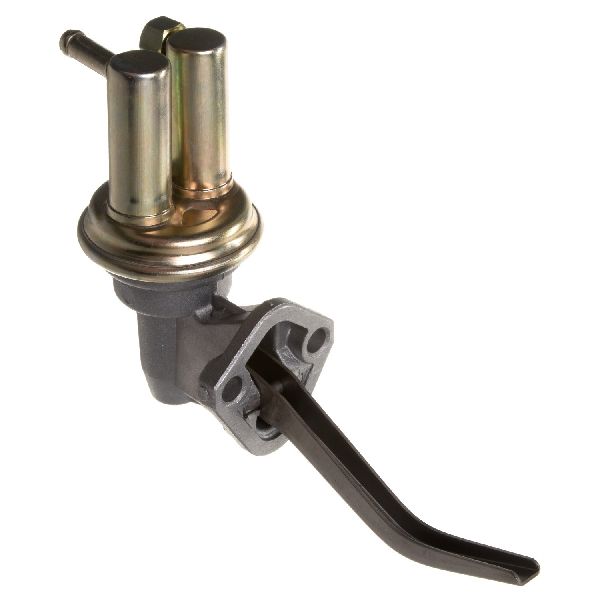
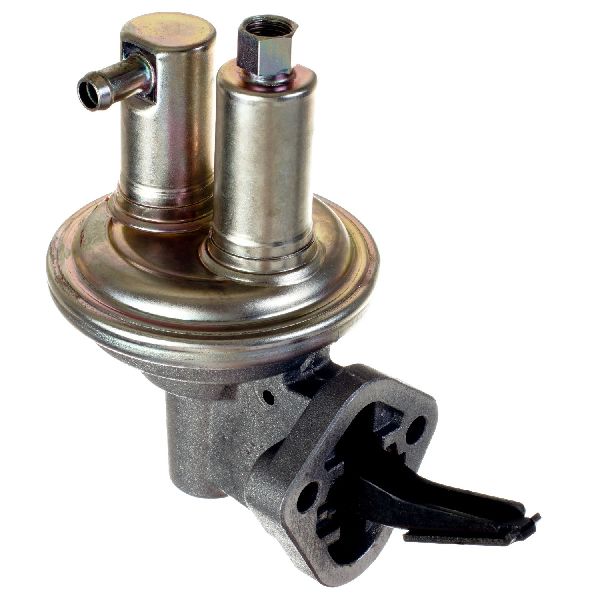
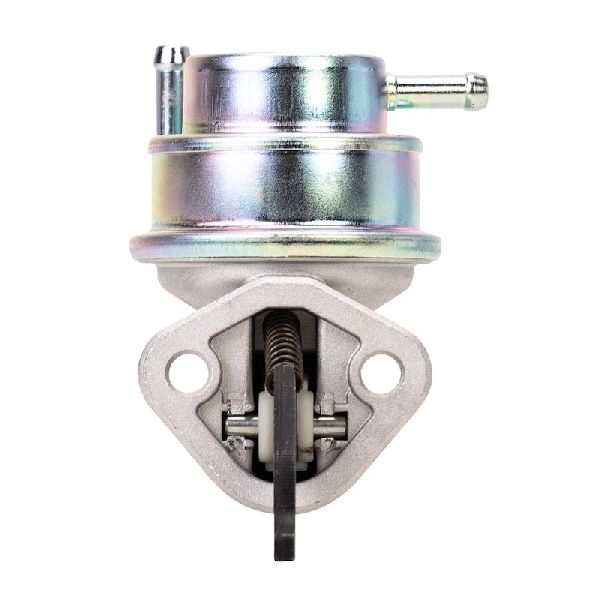
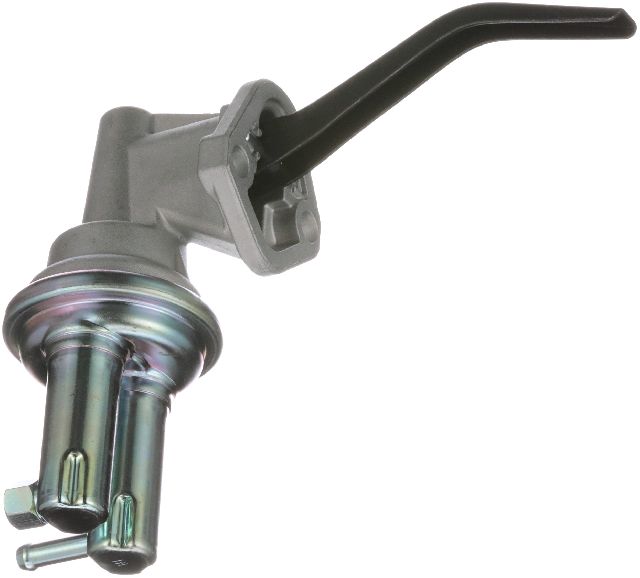
Pump Type: Mechanical, Camshaft Actuated Operating Pressure: 4-10 PSI (for carbureted engines)
We Have This Part in Stock


The information in this article is provided for general reference and educational purposes only. Vehicle specifications, procedures, and part compatibility can vary by production date, trim level, and region. Always consult your vehicle's factory service manual and verify part numbers before purchasing or performing repairs. Safety-critical components such as airbags, seat belts, and braking systems should be installed by a qualified professional.
- 🛍️ Shop This Part
- Is Your Capri's Fuel Pump Failing?
- Common Symptoms of a Bad Fuel Pump:
- Critical Failure: Fuel in Engine Oil
- Choosing the Right Aftermarket Fuel Pump
- Brand Quality Tiers
- A Note on Modern Fuels and Electric Pumps
- Known Issues: Aftermarket Fuel Pump Recall
- Cost of Replacing a Mercury Capri Fuel Pump
- Frequently Asked Questions
- 🎟️ Get 5% Off