

Mercury Capri Starter Motor Guide: Choosing a New Replacement for 1966-1978 Models
Everything a Capri owner needs to know before buying a new aftermarket starter motor.
- Common failure symptoms include a loud click, grinding noises, or a slow crank.
- Heat soak is a known issue for classic Fords, causing hot-start problems that a modern starter can fix.
- A gear-reduction 'mini-starter' from a brand like Ford Performance or Powermaster is a significant upgrade for reliability and performance.
- Before replacing the starter, always confirm your battery is strong and all electrical connections are clean and tight.
Is Your Mercury Capri Starter Failing?
A failing starter rarely dies without warning. For a classic car like the 1966-1978 Mercury Capri, starting problems can sometimes be mistaken for battery or wiring issues. Knowing the specific signs of a bad starter can save you time and money.
Common Failure Symptoms
- Single Loud Click: You turn the key and hear one loud "CLICK" but the engine doesn't crank. This often points to a bad starter solenoid, which is responsible for pushing the starter gear forward.
- Grinding Noise: If you hear a harsh grinding sound when trying to start the car, it could mean the starter's gear is not meshing correctly with the flywheel, or the teeth on either gear are damaged.
- Slow Cranking: The engine turns over very slowly, even with a fully charged battery. This suggests the starter motor is worn out and lacks the torque to spin the engine effectively.
- Engine Won't Crank at All: You have power to your lights and radio, but turning the key does nothing. This could be a completely dead starter motor.
- Intermittent Starting: The car starts fine sometimes and fails at others. This is a common sign of a developing electrical issue inside the starter or a problem with heat soak.
Known Issues for the 1966-1978 Mercury Capri
While there are no official recalls or technical service bulletins (TSBs) for the starter motor on this classic vehicle, owners in forums report a common issue known as "heat soak." This happens when the starter and solenoid get hot from engine and exhaust heat, increasing electrical resistance. The result is often a single "click" and a no-start condition after the car has been driven and is fully warmed up. Allowing the car to cool down often temporarily resolves the issue. Upgrading to a modern, high-torque starter can often solve this problem.
Choosing the Right Aftermarket Starter
For a vehicle of this age, new OEM (Original Equipment Manufacturer) parts are not available. Your choices are new aftermarket, remanufactured, or used parts. This guide focuses on new aftermarket options, which offer modern technology and reliability.
Understanding Starter Types
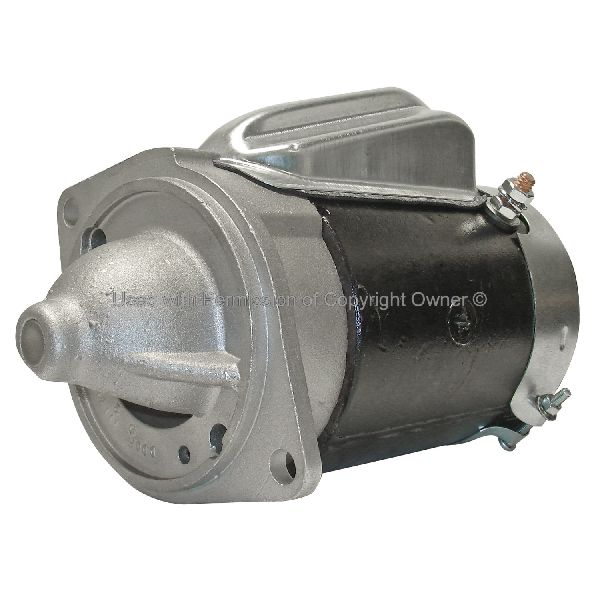
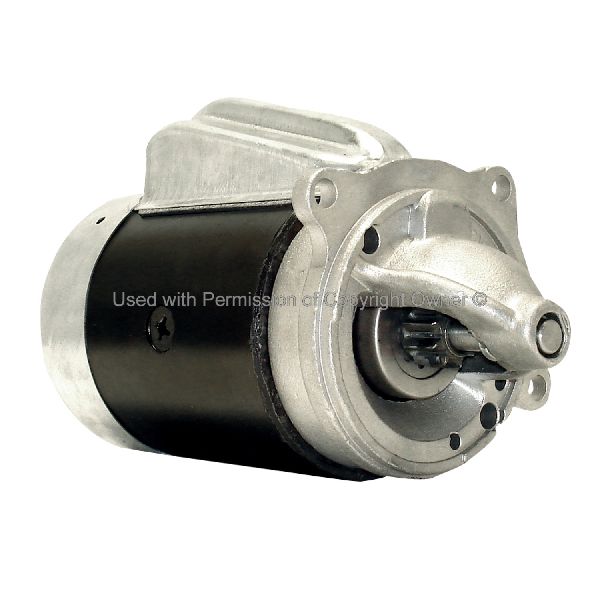
- Direct-Drive (Stock Style): These are similar to the original design. They are larger, heavier, and can be prone to heat soak issues, especially on modified engines.
- Gear Reduction (Mini-Starters): These modern starters use internal gears to multiply torque. They are smaller, lighter, and draw less current while providing more cranking power. This makes them an excellent upgrade for the Capri, especially if you have aftermarket headers or experience hot-start problems.
Brand Quality Tiers
Based on reviews and forum discussions for classic Ford applications, aftermarket brands can be grouped into tiers:
Tier 1: Premium Performance (Ford Performance, Powermaster)
- Ford Performance: Often considered a top-tier choice. Their high-torque mini-starters are praised for being lightweight, powerful, and well-made, solving clearance issues with headers. They are 100% new, not remanufactured.
- Powermaster: A highly respected brand in the performance and classic car community. Their starters are known for powerful cranking, reliability, and solving hot-start issues. They are often made in the USA and considered a significant upgrade over stock.
Tier 2: Quality Replacement (MPA)
- MPA (Motorcar Parts of America): MPA produces a wide range of starters, including the "Quality-Built" brand. They state their parts meet or exceed OE specifications and are fully tested. While direct user reviews are less common than for performance brands, they are a major supplier to auto parts stores and represent a solid, standard replacement option.
Tier 3: Economy (Proform)
- Proform: This brand offers high-torque starters at an attractive price point. However, owner reviews are mixed. While some users are satisfied, others report premature failures, installation issues, and questionable quality control. It may be a suitable option for a budget-conscious project, but it carries a higher risk of defects compared to premium brands.
Estimated Costs for a Mercury Capri Starter
| Part Type | Cost Range |
|---|---|
| New Aftermarket Starter | $96 - $263 |
| Shop Labor for Installation | $120 - $250 |
Frequently Asked Questions (FAQ)
Do I need a special starter for my V6 or 4-cylinder Capri?
Yes, you must order the starter that is specific to your engine (e.g., Kent 4-cylinder, Cologne V6). The mounting points and gear placement are different. Always verify fitment before purchasing.
Is a high-torque, gear-reduction starter worth the extra cost?
For most Capri owners, yes. A modern gear-reduction starter provides faster, more reliable starts, draws less power from your battery, and is less prone to heat-related problems. Their smaller size can also make installation easier and provide more clearance for exhaust.
Can I replace the starter myself?
Yes, this is a feasible DIY job for someone with basic mechanical skills. Access on a classic, rear-wheel-drive car like the Capri is generally good. The job involves disconnecting the battery, raising the vehicle safely, removing a few electrical connections, and unbolting the old starter.
My new starter just clicks. Is it defective?
Not necessarily. Before blaming the starter, ensure your battery is fully charged and both the positive and negative battery cables and connections are clean and tight. A common issue on older cars is a poor ground connection. A single click often means the starter solenoid is getting power, but the motor isn't receiving enough amperage to turn, which points to a battery or connection issue.
Technical Specifications
The US-market Mercury Capri from 1970-1978 used engines shared with other Ford products, primarily the 'Kent' inline-4 and the 'Cologne' V6. Starters are specific to the engine type. Modern replacements are often gear-reduction style, offering higher torque and lower weight than the original direct-drive units.
We Have This Part in Stock

The information in this article is provided for general reference and educational purposes only. Vehicle specifications, procedures, and part compatibility can vary by production date, trim level, and region. Always consult your vehicle's factory service manual and verify part numbers before purchasing or performing repairs. Safety-critical components such as airbags, seat belts, and braking systems should be installed by a qualified professional.
- 🛍️ Shop This Part
- Is Your Mercury Capri Starter Failing?
- Common Failure Symptoms
- Known Issues for the 1966-1978 Mercury Capri
- Choosing the Right Aftermarket Starter
- Understanding Starter Types
- Brand Quality Tiers
- Estimated Costs for a Mercury Capri Starter
- Frequently Asked Questions (FAQ)
- 🎟️ Get 5% Off