

Dodge Charger Engine Coolant Bypass Hose Guide: 1966-1979
Keep your classic Charger's engine safe by understanding this small but critical cooling system part.
- Before ordering, verify the fitting sizes on your water pump and intake manifold to ensure you get the correct diameter hose, as sizes changed around 1970.
- A failing bypass hose can cause catastrophic engine damage; replace it as preventative maintenance or at the first sign of a leak or swelling.
- Always use a quality, molded aftermarket hose from a brand like Gates, Dayco, or Continental for proper fit and longevity.
- Replace your hose clamps at the same time you replace the hose to ensure a leak-free seal.
Signs of a Failing Coolant Bypass Hose
A bad bypass hose can fail suddenly and cause serious engine damage. Because these classic Chargers are now decades old, the original rubber is likely worn out. Look for these warning signs:
- Coolant Leaks: This is the most common symptom. You may find puddles of green or orange fluid under your car or notice a sweet smell after a drive. Check for dried, crusty coolant residue around the hose connections at the water pump and intake manifold.
- Engine Overheating: If the hose leaks enough coolant, the engine can overheat. A hose that is blocked or has collapsed internally can also cause temperatures to rise.
- Visible Hose Damage: Inspect the hose closely. If you see cracks, splits, or bulges, it needs to be replaced immediately. Over time, oil and heat can cause the hose to feel mushy, spongy, or rock-hard.
- Low Coolant Level: If you have to top off your coolant frequently, you likely have a leak somewhere in the system, and this small hose is a common culprit.
Critical Failure Warning
A sudden bypass hose rupture will cause rapid coolant loss. This can lead to severe engine overheating and potentially a blown head gasket or other catastrophic damage. Do not ignore the warning signs.
Choosing the Right Aftermarket Bypass Hose
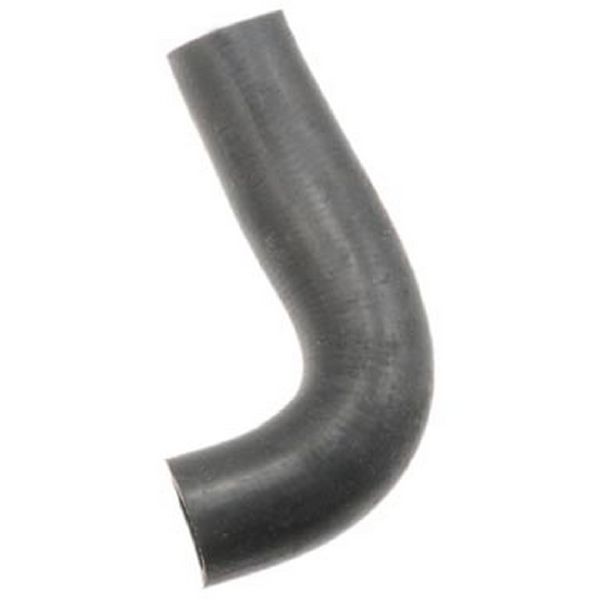
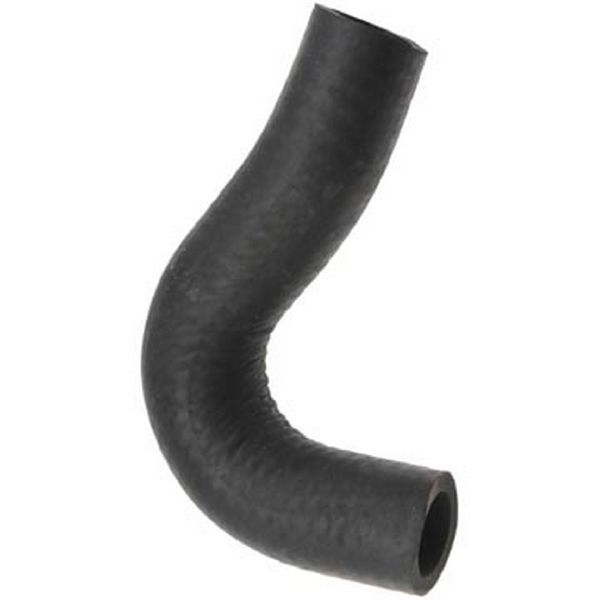
For a classic vehicle like the 1966-1979 Charger, new aftermarket parts are the only sensible choice. Original "New Old Stock" (NOS) Mopar hoses would be made of rubber that is decades old and not safe for use. Modern hoses are made from superior materials like EPDM rubber that resist heat, oil, and degradation far better than original parts.
Check Your Nipple Size: A Common Ordering Mistake
Mopar changed the size of the bypass hose fittings around 1969-1970. Earlier models typically used smaller fittings (1/2-inch NPT), while later models used larger ones (3/4-inch NPT). Since many of these cars have had engine or part swaps over the years, do not rely on the year of your car alone. Visually inspect the hose fittings on your water pump and intake manifold to ensure you order the correct diameter hose.
Here’s a breakdown of the available aftermarket brands:
- Gates: Generally considered a top-tier aftermarket brand with a reputation for excellent quality and correct fitment. They are a trusted choice for many mechanics and restorers.
- Dayco: A well-known brand that produces reliable coolant hoses. Some users report their hoses are slightly thicker than competitors. While generally a solid choice, a few Mopar owners have reported fitment issues or rare failures under high-RPM use.
- Continental: Another high-quality manufacturer of rubber automotive products. Their hoses are a reliable option and meet or exceed OEM specifications.
Cost to Replace a Dodge Charger Coolant Bypass Hose
Replacing the bypass hose is an affordable and highly recommended piece of preventative maintenance. Below are estimated costs.
| Part Type | Estimated Cost |
|---|---|
| New Aftermarket Hose | $16.58 - $81.22 |
| Shop Labor | $100 - $200 |
| Total Estimated Cost | $117 - $282 |
Note: Costs are estimates and do not include the price of new coolant. Prices will vary by location and the specific parts chosen.
Frequently Asked Questions
Can I replace the coolant bypass hose myself?
Yes, this is a great DIY job for a beginner or intermediate mechanic. It is typically easy to access and requires basic hand tools like a screwdriver or socket for the hose clamps and a drain pan for the coolant.
Should I use a molded hose or a straight piece of hose?
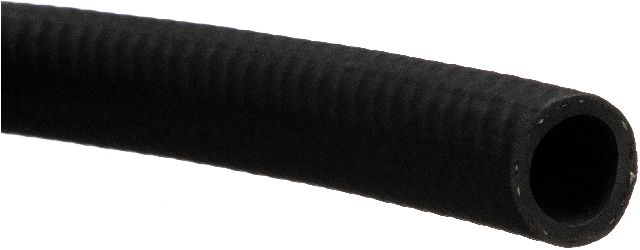
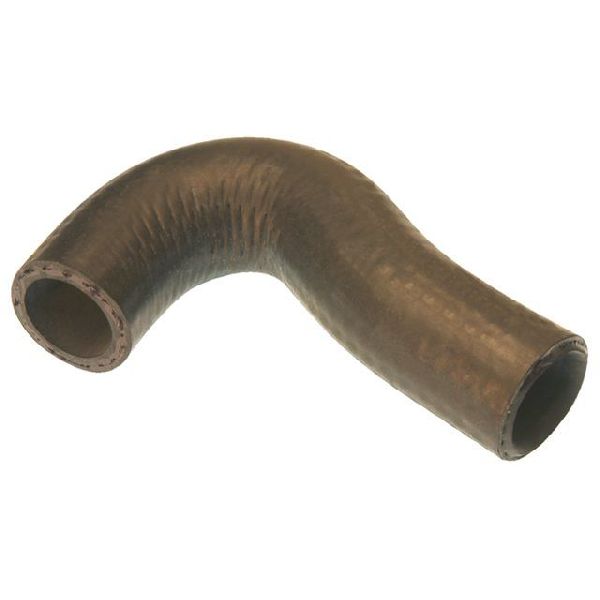
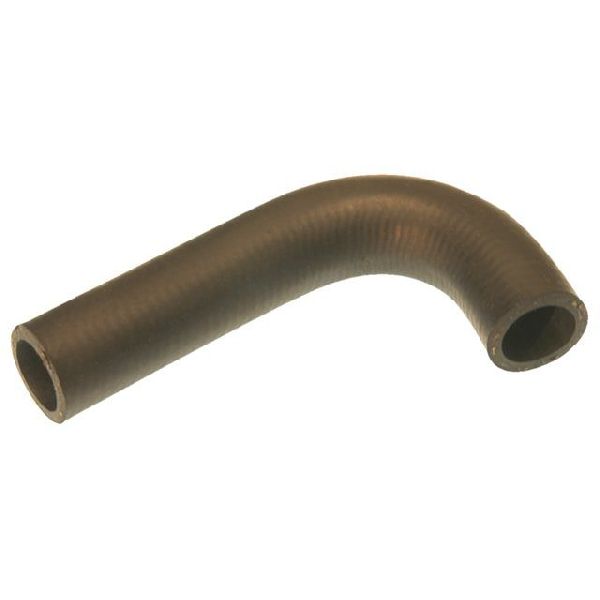
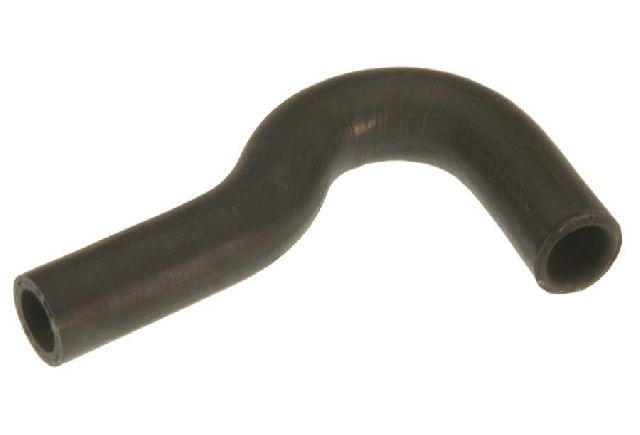
Always use a pre-molded hose made for your specific Charger engine. These are shaped to fit perfectly without kinking, which could restrict coolant flow. A straight hose is not a reliable substitute.
Do I need to replace my hose clamps?
Yes. It is highly recommended to replace the hose clamps whenever you replace a hose. Old clamps can lose their tension or corrode, leading to leaks even with a new hose.
Were there any recalls for the coolant bypass hose on my Charger?
No, there have been no recalls or technical service bulletins (TSBs) issued by the NHTSA for the engine coolant bypass hose on any 1966-1979 Dodge Charger.
Technical Specifications
Material: EPDM Rubber. Type: Molded. Varies by year/engine: Hose ID and fitting sizes differ between early (pre-1970) and late (1970+) small block V8s.
We Have This Part in Stock

The information in this article is provided for general reference and educational purposes only. Vehicle specifications, procedures, and part compatibility can vary by production date, trim level, and region. Always consult your vehicle's factory service manual and verify part numbers before purchasing or performing repairs. Safety-critical components such as airbags, seat belts, and braking systems should be installed by a qualified professional.