

Dodge Charger Engine Coolant Thermostat Guide for 1966-1979 Models
Keep your classic Charger's engine temperature in check by understanding how to choose the right thermostat.
- A 180°F thermostat is the recommended choice for most street-driven 1966-1979 Chargers.
- Symptoms of failure include overheating (stuck closed), running too cool (stuck open), or an erratic temperature gauge.
- Always test a new thermostat in hot water before installation to verify it works correctly.
- Choose a quality brand like Edelbrock or Gates; be cautious with budget brands like Mr. Gasket due to mixed reviews on reliability.
Symptoms of a Failing Thermostat
A bad thermostat can fail in two ways: stuck open or stuck closed. The symptoms are very different for each failure mode. Since these classic Chargers do not have modern computer diagnostics, you must rely on observing the temperature gauge and engine behavior.
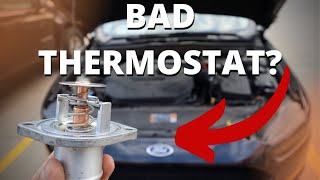
- Engine Overheating: This is the most dangerous symptom. If the thermostat is stuck closed, it will not allow coolant to flow to the radiator. The temperature gauge will climb into the red, and you may see steam from the engine bay. This can cause serious engine damage if not addressed immediately. 🎬 See more warning signs of a failing car thermostat.
- Engine Running Too Cool: If the thermostat is stuck open, coolant will constantly circulate through the radiator. This prevents the engine from reaching its proper operating temperature. You will notice the temperature gauge stays very low, and the heater may not produce much warm air. An engine that runs too cool can experience increased wear over time.
- Erratic Temperature Gauge: A faulty thermostat can cause the temperature gauge to swing back and forth unpredictably. It might read hot when idling in traffic and then suddenly drop when you start moving again.
- Coolant Leaks: A thermostat stuck closed can cause excessive pressure and heat to build up, potentially causing coolant to leak from the thermostat housing gasket or other weak points in the cooling system. 🎬 Watch: How to fix a leaking Mopar thermostat housing.
Choosing the Right Aftermarket Thermostat
For a 1966-1979 Dodge Charger, original OEM parts are rare. The aftermarket offers a wide selection, from standard replacements to high-performance units. Quality is key, as a failed thermostat can have serious consequences. Many classic Mopar owners recommend a 180°F thermostat for a good balance of efficient warm-up and safe operating temperatures for street-driven cars.
Pro Tip: Test Before You Install
It is a common and highly recommended practice in the classic car community to test a new thermostat before installing it. Simply place the new thermostat in a pot of water on the stove with a thermometer. Heat the water and watch to see that the thermostat opens at or very near its rated temperature. This simple step can prevent you from installing a defective part right out of the box.
Brand Quality Tiers
Based on owner reviews and forum discussions, aftermarket brands for your Charger can be grouped into the following tiers:
- Performance Tier (Edelbrock, Mishimoto): Brands like Edelbrock are well-regarded for their quality construction, often using brass and stainless steel components for durability in high-performance applications. Mishimoto offers racing thermostats designed to open at a lower temperature (e.g., 180°F or lower) to keep modified engines cooler, which can be beneficial in hot climates or for track use.
- Standard Replacement Tier (Gates, Motorad): Gates is a trusted name for reliable, OE-quality replacement parts. Motorad is a major manufacturer that produces thermostats for many brands, including Stant and even some Mopar parts. They are considered a solid choice for a standard, dependable replacement.
- Budget Tier / Mixed Reviews (Mr. Gasket): While a popular name in the performance world, Mr. Gasket thermostats have very mixed reviews. Many owners have reported premature failures, with the part sticking open or closed soon after installation. While some have had success, the number of negative reports suggests potential quality control issues.
| Part Type | Price Range |
|---|---|
| New Aftermarket Thermostat | $7.93 - $56.13 |
Frequently Asked Questions (FAQ)
What temperature thermostat should I use for my Charger?
For most street-driven 1966-1979 Chargers, a 180°F thermostat is the most recommended option. It allows the engine to warm up properly while providing a safe margin for cooling performance. Later models originally used 195°F thermostats for emissions reasons, but a 180°F unit is often preferred by owners today.
What is a "high-flow" thermostat and do I need one?
A high-flow thermostat has a larger opening, allowing more coolant to pass through when it opens. Brands like Edelbrock and Mr. Gasket offer these. They can be beneficial for high-performance engines that generate more heat. However, for a stock or mildly modified engine, a quality standard-flow thermostat is usually sufficient.
Do I need to replace the gasket too?
Yes, absolutely. Always install a new thermostat housing gasket when you replace the thermostat. This ensures a proper seal and prevents coolant leaks. Gaskets are inexpensive and are critical for a successful repair.
🎬 Watch: Step-by-step guide to replacing a big block Mopar thermostat.Why do some people drill a small hole in their thermostat?
Drilling a tiny (1/8 inch) hole in the thermostat flange is an old mechanic's trick to help bleed air out of the cooling system when you refill it. Some thermostats, like certain Edelbrock models, come with a small "jiggle pin" that serves the same purpose. It helps prevent air pockets that can cause overheating issues.
Helpful Videos

Technical Specifications
Common Temperature Ratings: 160°F (Race), 180°F (Street Performance), 195°F (Emissions Era OE). Always use a new gasket upon installation.
We Have This Part in Stock


The information in this article is provided for general reference and educational purposes only. Vehicle specifications, procedures, and part compatibility can vary by production date, trim level, and region. Always consult your vehicle's factory service manual and verify part numbers before purchasing or performing repairs. Safety-critical components such as airbags, seat belts, and braking systems should be installed by a qualified professional.