

Choosing the Right Spark Plug Wire Set for Your 1966-1979 Dodge Charger
Get your classic Mopar firing on all cylinders with the perfect set of new aftermarket wires.
- For big-block engines (383, 440, Hemi) with headers, choose high-temperature wires with silicone or ceramic boots to prevent melting.
- Replace wires one at a time to avoid mixing up the engine's firing order, which will prevent the car from running.
- Upgrading from old 7mm wires to modern 8mm or 8.5mm spiral core wires is a worthwhile improvement for reliability and performance.
- Performance brands like MSD and Taylor offer low-resistance wires that deliver more spark energy, ideal for modified engines.
Signs of Failing Spark Plug Wires on a Classic Charger
Original-style wires from the 1960s and 70s break down over time due to intense engine heat, vibration, and exposure to oil or grease. When they fail, you'll notice. The most common symptoms include a rough idle, engine hesitation during acceleration, and a general loss of power. You might also experience engine misfires, which feel like a stumble or jerk from the engine. In some cases, the engine may be hard to start or may surge unexpectedly. Visually inspecting the wires can often reveal the problem; look for cracks, burn marks, or melted insulation.
Heat is the Enemy
Big-block engines like the 383, 440, and 426 Hemi generate immense heat, especially if you have aftermarket headers. This heat is the number one killer of spark plug wires. Wires that are too close to the exhaust manifold can melt, causing a direct short and a dead cylinder. Using wires with high-temperature silicone boots is essential for these applications.
Choosing the Right Aftermarket Wires
For a vehicle as old as a 1966-1979 Charger, new OEM (Original Equipment Manufacturer) wires are generally not available, except as very rare and expensive "New Old Stock" (NOS) parts. The good news is that modern aftermarket wires offer superior technology and durability compared to the originals. When choosing a set, consider the wire's diameter, core material, and resistance.
- Diameter (mm): Thicker wires, like 8mm or 8.5mm, typically have better insulation than older 7mm wires. This helps prevent voltage leaks and protects against heat and abrasion, which is great for performance engines.
- Core Type: Most modern performance wires use a "spiral core." This design has a conductor wound tightly around a fiberglass core, offering low resistance for a hot spark while suppressing the radio frequency interference (RFI) that can cause static in your radio. This is a big upgrade from old carbon core wires.
- Resistance (Ohms): Resistance is a measure of how much the wire restricts electrical flow. For performance applications, lower resistance is generally better, as it allows more energy to reach the spark plug. Brands like MSD and Taylor often advertise very low resistance values, typically between 40-50 ohms per foot.
Pro Tip: Custom Fit vs. Universal
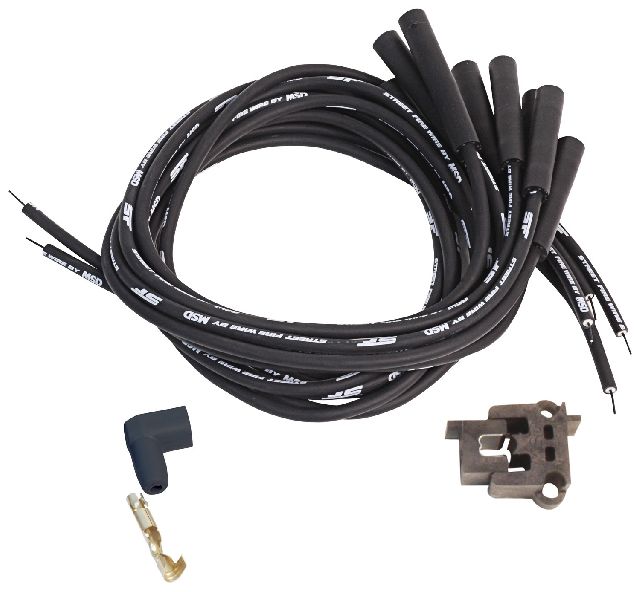
You can buy wire sets that are "vehicle-specific" and cut to the correct lengths for your Charger's engine, or "universal" sets that you cut and terminate yourself. Vehicle-specific sets are easier to install, but universal kits allow you to create a perfectly routed, clean look, especially in a modified engine bay.
Aftermarket Brand Quality & Cost
Several reputable brands offer spark plug wire sets for your classic Charger. They can be grouped into general tiers based on owner feedback and intended use.
| Tier | Brands | Typical Price Range | Best For |
|---|---|---|---|
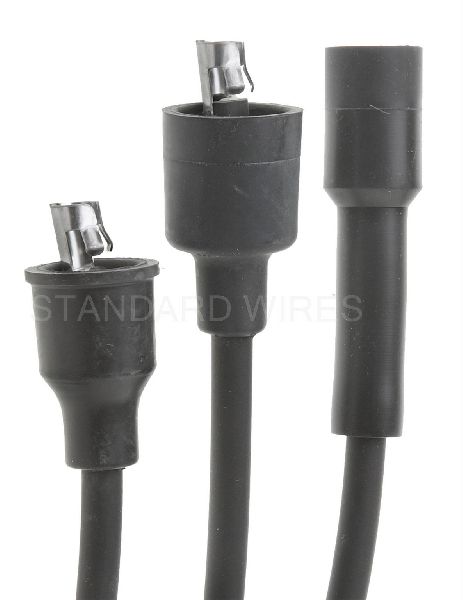
| Good (Standard Replacement) | Standard Wires, Walker Products, Denso | $25 - $60 | Stock or mildly modified engines for daily driving and cruising. A solid upgrade over old, worn-out wires. |
| Better (Performance Street) | Accel, Taylor Cable, NGK | $60 - $120 | Street performance applications, engines with electronic ignition upgrades, and owners wanting better heat resistance and a cleaner look. |
| Best (Performance/Racing) | MSD, Granatelli, FireCore50 | $120 - $240+ | High-compression engines, racing applications, and engines with high-output ignition systems (like an MSD box). These offer the lowest resistance and best heat protection, sometimes with ceramic boots that withstand up to 2,000°F. |
Frequently Asked Questions (FAQ)
How often should I replace my spark plug wires?
There is no strict interval, but they should be inspected during every tune-up. Due to the high heat and age of these vehicles, a good rule of thumb is to replace them every 30,000 to 50,000 miles, or any time you see visible damage like cracks or burns.
Do I need special wires for my 440 or Hemi with headers?
Yes. Headers create significantly more heat close to the spark plugs. It is highly recommended to use wires with high-temperature silicone or ceramic boots to prevent them from melting. Some owners even use protective heat sleeves over the boots for extra insurance.
What's the difference between 90-degree and straight spark plug boots?
This refers to the angle of the boot that connects to the spark plug. The correct angle depends on your specific engine and exhaust manifold or header clearance. Big-block Mopars often require a mix of boot angles for proper fit and to keep wires away from hot surfaces. Many vehicle-specific sets will come with the correct assortment.
Do I need 8mm wires if I upgraded to electronic ignition?
While not always strictly necessary for a basic factory electronic ignition upgrade, 8mm or larger wires are recommended. They provide better insulation for the higher voltage and ensure a more reliable spark, making them a worthwhile part of the upgrade.
Technical Specifications
Core Type: Carbon Core (Original), Spiral Wound (Aftermarket) Diameter: 7mm (Original), 8mm, 8.5mm, 8.8mm (Aftermarket) Resistance: Varies by brand, performance wires are typically 40-50 ohms/ft. Boot Material: Silicone, Ceramic Boot Angles: Straight, 45-degree, 90-degree, 135-degree
We Have This Part in Stock
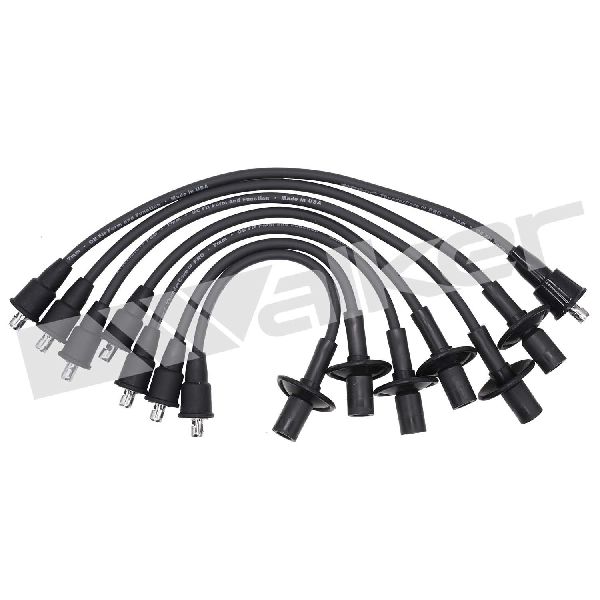
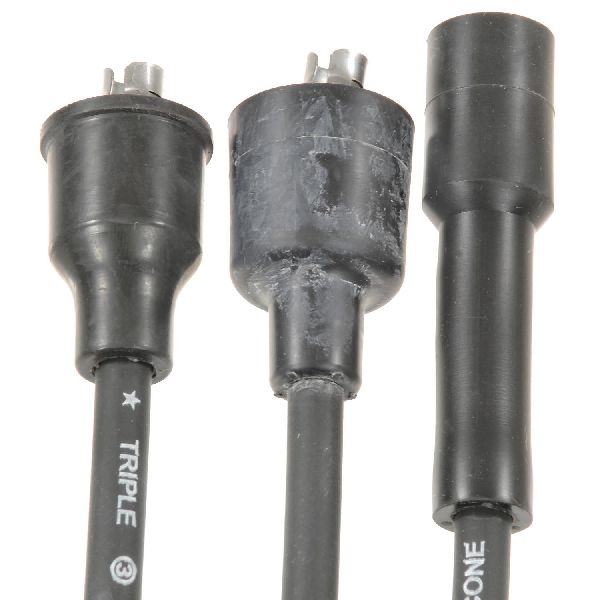
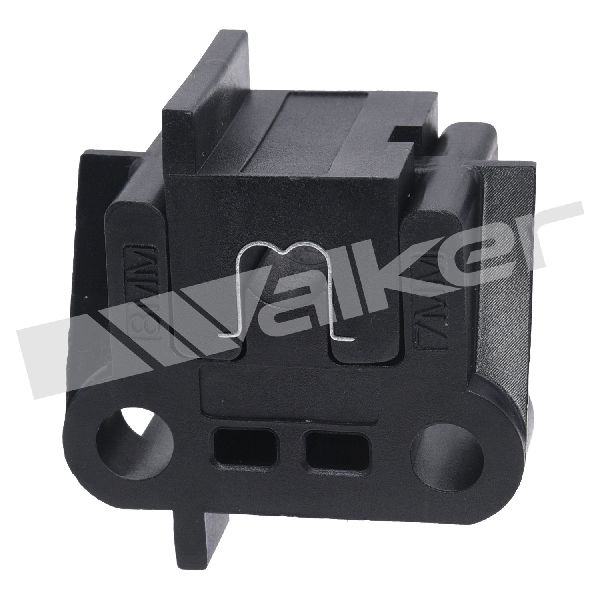
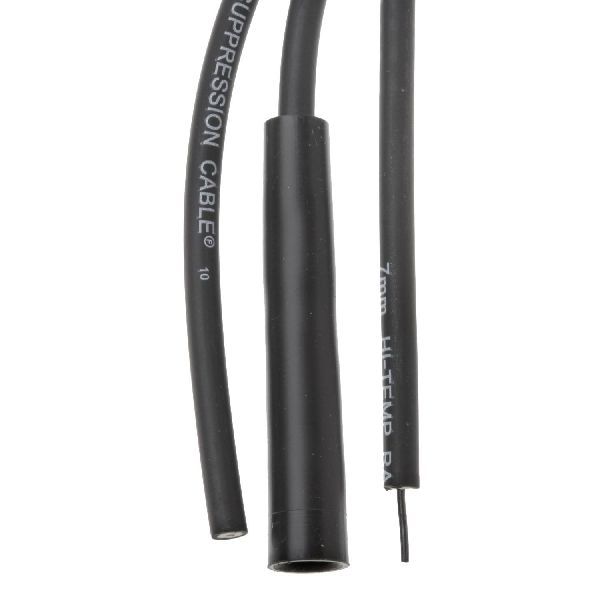

The information in this article is provided for general reference and educational purposes only. Vehicle specifications, procedures, and part compatibility can vary by production date, trim level, and region. Always consult your vehicle's factory service manual and verify part numbers before purchasing or performing repairs. Safety-critical components such as airbags, seat belts, and braking systems should be installed by a qualified professional.