

Dodge Charger Speedometer Cable Guide (1966-1979)
Everything you need to know about fixing your Charger's bouncing or dead speedometer needle.
- A bouncing needle or squealing from the dash are classic signs of a failing speedometer cable on a Charger.
- Measure your old cable's length before ordering a new one to ensure correct fitment, as lengths can vary.
- Standard brands like ATP and Pioneer offer affordable, direct-fit options, while Lokar provides premium, cut-to-fit kits for custom applications.
- Proper routing is critical; keep the cable away from exhaust headers to prevent melting and avoid sharp bends.
Is Your Speedometer Acting Up?
A faulty speedometer cable is a common issue on classic Chargers. Over decades of use, the internal lubricant dries up, the cable housing gets brittle, or the inner cable itself can kink and break. This leads to some very noticeable problems. The good news is that it's usually a straightforward part to replace.
Symptoms of a Failing Speedometer Cable
If the speedometer cable is going bad, you'll likely experience one or more of these classic symptoms:
- Bouncing or Wavering Needle: 🎬 Watch: How to fix a shaky or bouncing speedometer needle This is the most common sign. As you drive, the needle jumps around erratically instead of moving smoothly. This is often caused by the cable binding and releasing inside its housing due to lack of lubrication.
- Squealing or Grinding Noises: You might hear a squealing, whining, or grinding sound coming from behind the dashboard. This is the sound of the dry cable struggling to turn inside its housing.
- No Speed Reading: If the needle doesn't move at all, the inner cable has likely snapped completely.
Is it the Cable or the Gauge?
If you replace the cable and the needle still bounces or reads incorrectly, the problem may be inside the speedometer gauge itself. The internal gears and bushings of the gauge can wear out over time, requiring a professional rebuild.
Choosing the Right Aftermarket Cable
Finding a new OEM Mopar speedometer cable for a classic Charger is nearly impossible. The market today consists of aftermarket reproductions. These fall into two main categories:
Standard Replacement (Brand Tier: Good)
Brands like Pioneer Cable and ATP offer direct-fit, affordable replacements that look and function like the original part. They are a great choice for a standard restoration or a daily driver. For the most part, these are reliable, but it's critical to ensure you are buying the correct length for your specific year and transmission combination. Some user reviews for these brands (on other vehicles) mention cables being too long or short, so double-checking is key.
Premium / Custom (Brand Tier: Best)
Lokar is a well-known brand in the hot rod and muscle car world, offering premium, high-quality cables. These are typically "cut-to-fit" kits, meaning you determine the perfect length for your car and trim the cable and housing yourself. They often feature upgraded materials like a braided stainless steel housing for a custom look and extra durability. This is the best option for custom builds, or for owners who want the highest quality and are comfortable with the cut-to-fit installation process.
Measure Twice, Order Once
Cable lengths can vary. The best way to ensure you get the right part is to remove your old cable and measure its total length from tip to tip. If the old cable is gone, you may need to use a string to carefully measure the path from the transmission to the speedometer, making sure to include gentle curves and avoid hot exhaust parts.
Speedometer Cable Cost for 1966-1979 Dodge Charger
| Part Type | Price Range |
|---|---|
| Standard Aftermarket (ATP, Pioneer) | $16.75 - $40.00 |
| Premium Aftermarket (Lokar) | $120.00 - $151.57 |
| Shop Labor for Installation | $100 - $200 |
Frequently Asked Questions
Do I need to lubricate my new speedometer cable?
Yes, it's a good practice. Use a specific speedometer cable lubricant, which is often a graphite-based grease. Apply it to the inner cable, but avoid getting lubricant on the top 6-12 inches that go into the speedometer head, as you don't want grease working its way into the gauge mechanism.
🎬 See this guide on properly lubricating a speedometer cableHow do I disconnect the cable from the speedometer?
On most classic Mopars, the cable attaches to the back of the speedometer with a spring clip. You'll need to reach under or behind the dash, feel for a small plastic or metal tab on the cable housing, press it, and then pull the cable straight off. 🎬 Watch: How to assemble a push-on Chrysler speedometer cable It can be a tight space to work in.
My old cable melted. How do I prevent that?
This happens when the cable is routed too close to the exhaust manifold or headers. When installing the new cable, make sure it follows the original factory path, using any clips or brackets that hold it securely away from heat sources. Ensure there are no sharp bends or kinks in the routing.
Can I just replace the inner cable?
Sometimes. Brands like ATP offer "cable core kits" that allow you to replace just the inner spinning cable if your outer housing is still in good shape. This requires cutting the new core to the exact length and crimping on a new end. For most people, replacing the entire assembly is easier and ensures both parts are new.
Helpful Videos
![How To Fix A Shaky/Bouncing Speedometer [BEST CABLE LUBE]](https://img.youtube.com/vi/FFvVLIaxOb4/mqdefault.jpg)
Technical Specifications
OEM Part Numbers: 3592360
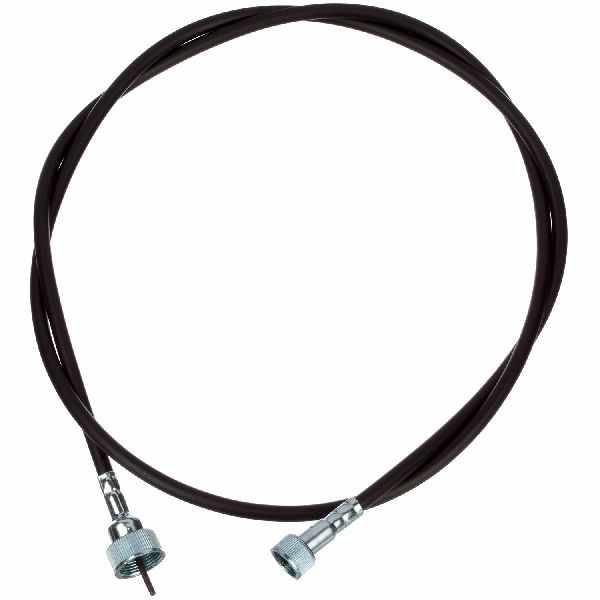
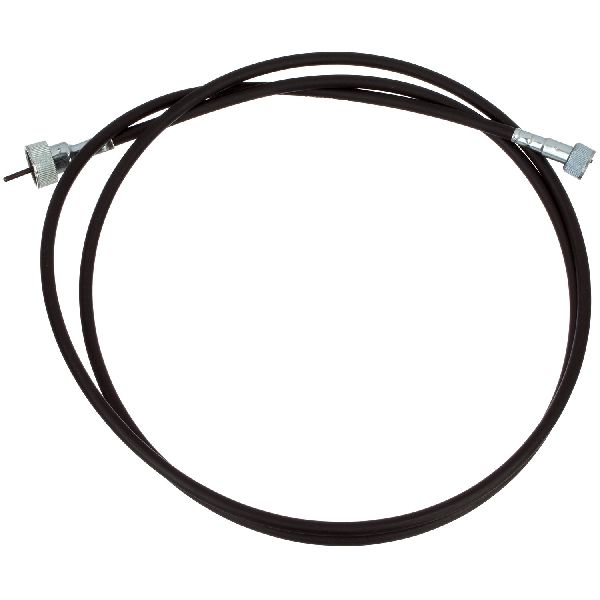
Varies by year and model. Common aftermarket lengths are 62" and 80". Connection types are typically a threaded end for the transmission and a push-on clip style for the speedometer head.
We Have This Part in Stock


The information in this article is provided for general reference and educational purposes only. Vehicle specifications, procedures, and part compatibility can vary by production date, trim level, and region. Always consult your vehicle's factory service manual and verify part numbers before purchasing or performing repairs. Safety-critical components such as airbags, seat belts, and braking systems should be installed by a qualified professional.
- 🎬 Helpful Videos
- 🛍️ Shop This Part
- Is Your Speedometer Acting Up?
- Symptoms of a Failing Speedometer Cable
- Is it the Cable or the Gauge?
- Choosing the Right Aftermarket Cable
- Standard Replacement (Brand Tier: Good)
- Premium / Custom (Brand Tier: Best)
- Measure Twice, Order Once
- Speedometer Cable Cost for 1966-1979 Dodge Charger
- Frequently Asked Questions
- 🎟️ Get 5% Off