

Ford Bronco Radiator Coolant Hose Guide: 1966-1979
Keep your classic Bronco's engine cool and avoid breakdowns by choosing the right radiator hoses.
- Replace hoses every 4-5 years as preventative maintenance to avoid engine damage.
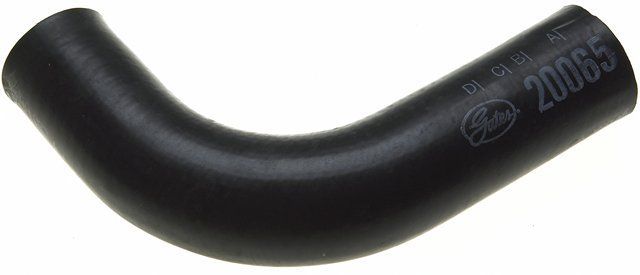
- Always use molded hoses from a quality brand like Gates, Dayco, or Continental; avoid universal flex hoses.
- Verify the hose matches your Bronco's specific engine (I6 or V8) and any modifications.
- If you see steam or the temperature gauge spikes, pull over immediately to prevent catastrophic engine failure.
Why Your Bronco's Radiator Hoses Matter
Radiator hoses are simple parts, but a failure can have catastrophic consequences for your classic Bronco's engine. Made of rubber, they are subject to constant heat, pressure, and vibration. Over time, the rubber breaks down, leading to leaks, collapses, or bursts that can quickly cause your engine to overheat and suffer severe damage. Regular inspection and timely replacement are key to keeping your truck on the road.
Overheating Can Destroy Your Engine
If a radiator hose fails while you are driving, your engine will lose coolant rapidly. This will cause the temperature gauge to spike and can lead to a blown head gasket, warped cylinder heads, or a completely seized engine. If you see steam from under the hood or your temperature light comes on, pull over immediately and shut off the engine.
Choosing the Right Aftermarket Hoses
For a vehicle from this era, original equipment (OEM) Ford hoses are no longer in production. The market consists of New Old Stock (NOS), which is rare and expensive, and modern aftermarket parts. Fortunately, today's aftermarket hoses from reputable brands often feature superior materials and construction compared to the originals from the 60s and 70s.
When shopping, you will see three main brands: Gates, Dayco, and Continental. All three are well-regarded manufacturers.
- Gates: Often considered a top-tier choice by mechanics and restorers. They are known for excellent fitment and quality that often meets or exceeds original specifications.
- Dayco: A solid and widely available option. While some users report occasional fitment issues on other vehicles, they are a reliable choice for the Bronco. Some forum users have specifically mentioned using Dayco hoses with good results on their classic Broncos.
- Continental: Another high-quality brand that produces durable and reliable hoses. You can't go wrong choosing Continental for your Bronco.
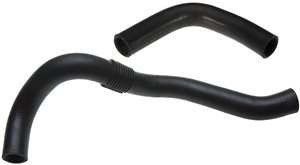
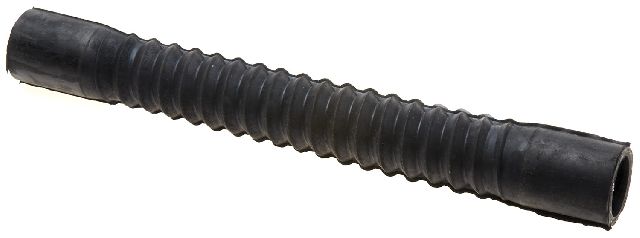
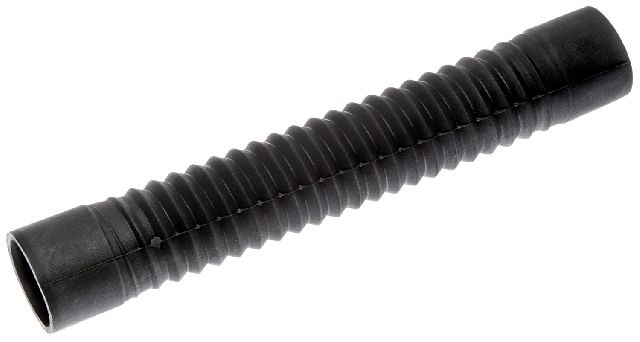
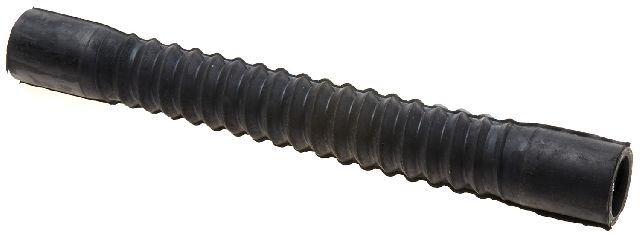
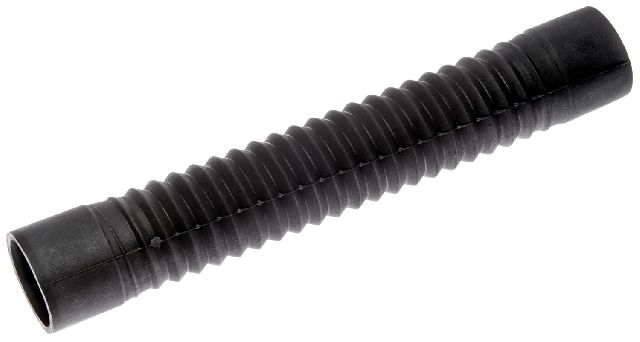
Pro Tip: Always choose a molded hose specifically designed for your Bronco's year and engine (inline-six or V8). Universal or "flex" hoses can kink, restrict coolant flow, or rub against other components, leading to premature failure.
Common Ordering Mistakes for 1966-1979 Broncos
- Wrong Engine Type: Hoses for the inline-six and V8 engines are different. Double-check that the part fits your specific engine.
- Ignoring Modifications: If your Bronco has an engine swap, aftermarket A/C, or a different radiator, the stock hoses may not fit. You may need to find a hose from a different application or create a custom solution.
- Forgetting the Clamps: It's always a good idea to replace the old hose clamps when you replace the hoses. Spring-style clamps are often preferred over worm-gear clamps as they provide more consistent pressure as the hose ages.
Frequently Asked Questions
How often should I replace my Bronco's radiator hoses?
As a rule of thumb, inspect your hoses at every oil change and plan to replace them every 4 to 5 years as preventative maintenance, regardless of appearance. The rubber can degrade from the inside out.
What's the difference between an upper and lower radiator hose?
The upper hose carries hot coolant from the engine to the radiator and is under higher pressure. The lower hose returns cooled coolant to the engine and sometimes has an internal spring to prevent it from collapsing under the water pump's suction.
Can I use a universal flexible hose on my Bronco?
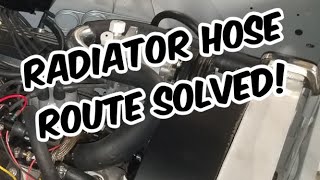
It is strongly discouraged. Molded hoses are designed to fit perfectly around other engine components. 🎬 Watch this guide on properly routing hoses for your Bronco. A universal hose is more likely to kink or rub against something, which can cause it to fail unexpectedly.
Should I replace both hoses at the same time?
Yes. If one hose has failed due to age, the other is likely not far behind. Replacing them both at the same time is cheap insurance against another breakdown.
Helpful Videos
Technical Specifications
Hoses must be molded specifically for the 1966-1979 Ford Bronco and the correct engine type (inline-six or V8). Material is typically EPDM rubber.
We Have This Part in Stock

The information in this article is provided for general reference and educational purposes only. Vehicle specifications, procedures, and part compatibility can vary by production date, trim level, and region. Always consult your vehicle's factory service manual and verify part numbers before purchasing or performing repairs. Safety-critical components such as airbags, seat belts, and braking systems should be installed by a qualified professional.