

Chevrolet Caprice Starter Motor Guide: 1966-1981
Solve common starting problems like clicking, slow cranking, and heat soak on your classic Caprice.
- Heat soak is the most common problem; a smaller high-torque starter or a heat shield can solve it.
- Always check battery health and cable connections first, as they can mimic starter failure symptoms.
- Properly shimming your new starter is critical to prevent damage to the starter and flywheel.
- You must know if your engine uses a 153-tooth or 168-tooth flywheel to get the correct starter.
Is Your Caprice Starter Failing?
A bad starter can leave you stranded. For the 1966-1981 Chevrolet Caprice, especially those with V8 engines, starter problems are common but usually straightforward to diagnose. Listening to the sounds your car makes when you turn the key is the first step.
Common Failure Symptoms:
- Single Loud Click: You turn the key and hear one distinct "CLICK" but the engine doesn't crank. This usually means the starter solenoid is engaging, but the motor itself isn't turning. This can be caused by a weak battery, bad connections, or a failed starter motor.
- Rapid Clicking Noise: A fast, machine-gun-like clicking sound points to a battery that doesn't have enough power to turn the starter over. Before replacing the starter, get your battery tested.
- Slow Cranking, Especially When Hot (Heat Soak): This is a very common issue with classic GM vehicles. The starter gets hot from the engine and exhaust, increasing its electrical resistance. This makes it struggle to turn the engine over after you've been driving for a while. Once it cools down, it may start normally.
- Grinding Noise: A loud grinding or whirring sound during or after cranking can indicate that the starter gear is not meshing correctly with the flywheel, or it's failing to retract. This could be due to a bad starter or improper installation (missing shims).
- No Sound at All: If nothing happens when you turn the key, the problem could be a dead battery, a bad ignition switch, or a complete failure of the starter solenoid or motor.
Known Issue: Starter Heat Soak
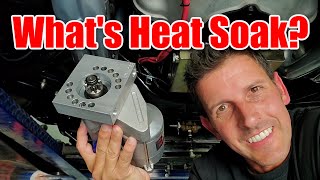
🎬 Watch: What causes starter heat soak and how to fix itThe biggest complaint from owners of this generation of Caprice and similar GM cars is starter heat soak. The original, large starter sits close to the hot exhaust manifold or headers. This heat can damage the solenoid and internal windings over time, leading to slow or no-start conditions when the engine is hot. Upgrading to a smaller, high-torque starter or adding a heat shield are common solutions.
Choosing the Right Aftermarket Starter
For a vehicle of this age, new OEM parts are generally unavailable. Aftermarket is the primary choice, offering several tiers of quality and performance.
Performance & High-Torque Mini-Starters
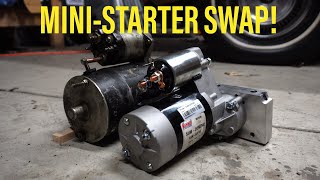
Brands like Powermaster and Proform specialize in modern, gear-reduction mini-starters. These are smaller, lighter, and more powerful than the original design.
- Pros: Their compact size provides more clearance for aftermarket headers and allows for better airflow, which helps prevent heat soak. The gear-reduction design provides more torque to crank over high-compression engines.
- Cons: Owner reviews for both brands are mixed. While many have great success, others report premature failures or issues with installation and shimming. These are often more expensive than standard replacements.
OEM-Style Replacements
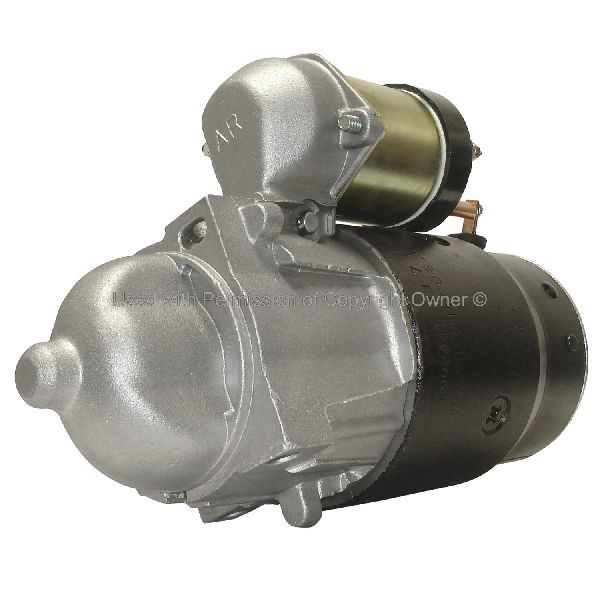
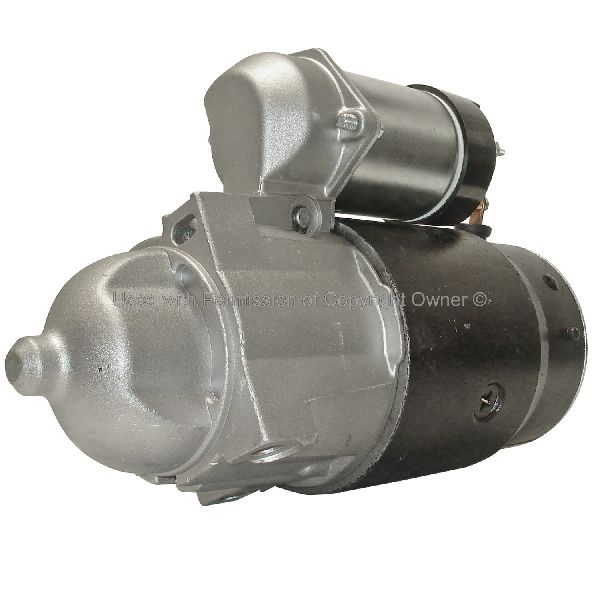
ACDelco is GM's original parts brand and offers new and remanufactured starters that are designed to be a direct replacement for the original.
- Pros: Generally offers a reliable, known-quantity fit and function for those who want to maintain a stock appearance and performance.
- Cons: Being the same large size as the original, they are still highly susceptible to heat soak, especially if you have headers.
Standard/Value Replacements
Brands like MPA and other store-brand starters offer the most affordable path. These are typically remanufactured units.
- Pros: Lowest purchase price and often come with a lifetime warranty.
- Cons: The quality can be inconsistent. While a warranty provides a free replacement, you may find yourself doing the labor more than once.
Pro Tip: The 90s Truck Starter Upgrade
🎬 Watch: Upgrading to a newer Vortec unit for better performanceA popular and reliable upgrade among classic Chevy owners is to use a gear-reduction starter from a 1995-1998 Chevrolet C1500 truck with a 5.7L V8. These OEM-quality starters are smaller, more powerful, and less prone to heat soak than the original 1960s/70s design. They are known to be very reliable and often bolt right in, though you may need to use different bolts.
| Part Type | Price Range | Notes |
|---|---|---|
| New Aftermarket (Standard) | $62 - $150 | Includes brands like MPA and store-brand value options. |
| New Aftermarket (High-Torque/Mini) | $150 - $385 | Includes brands like Powermaster and Proform. |
| Remanufactured ACDelco | $80 - $200 | A common OEM-style replacement option. |
| Shop Labor | $100 - $250 | Typically 1-2 hours of labor. |
Frequently Asked Questions (FAQ)
Do I need to shim my new starter? 🎬 See this guide on how to properly shim a GM starter
Almost certainly, yes. Shimming ensures the starter gear properly engages the flywheel. Too close, and it will grind and damage both parts; too far, and it can slip or break teeth. Most aftermarket starters come with a shim kit and instructions. Always check the clearance before finalizing the installation.
What's the difference between a 153-tooth and 168-tooth starter?
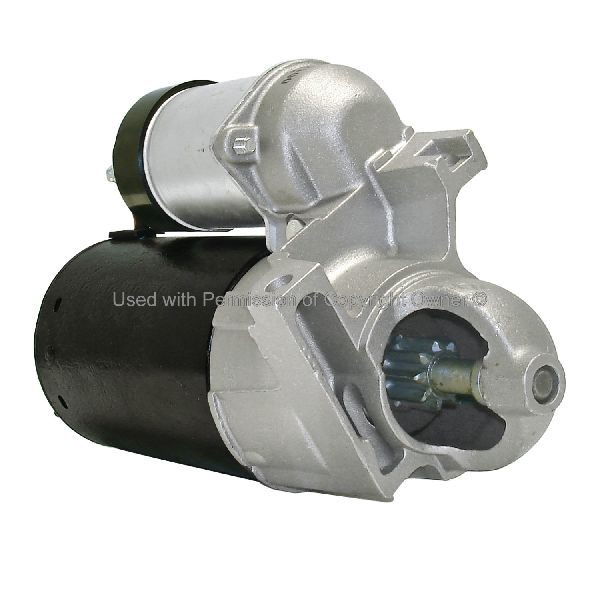
This refers to the number of teeth on the flywheel your engine uses. They require different starters with different mounting bolt patterns (straight across vs. staggered). Before ordering, you must know which flywheel you have. Many aftermarket starters are designed with dual mounting holes to fit both.
Can I fix heat soak without buying a new starter?
You can try. Start by ensuring your battery cables, especially the ground, are clean, tight, and in good condition. You can also install a starter heat shield or wrap, which is a thermal blanket that protects the starter from exhaust heat. Sometimes, upgrading to thicker gauge battery cables can also help overcome the resistance.
Is replacing the starter a good DIY job?
Yes, for most people with basic tools. The process involves disconnecting the battery, raising the vehicle safely, removing two main bolts, and disconnecting the wires. It can be a tight space, and sometimes an exhaust pipe or flywheel cover needs to be loosened or removed for clearance.
Helpful Videos
Technical Specifications
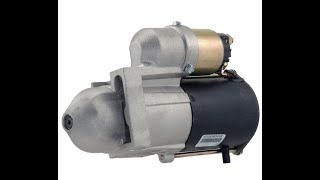
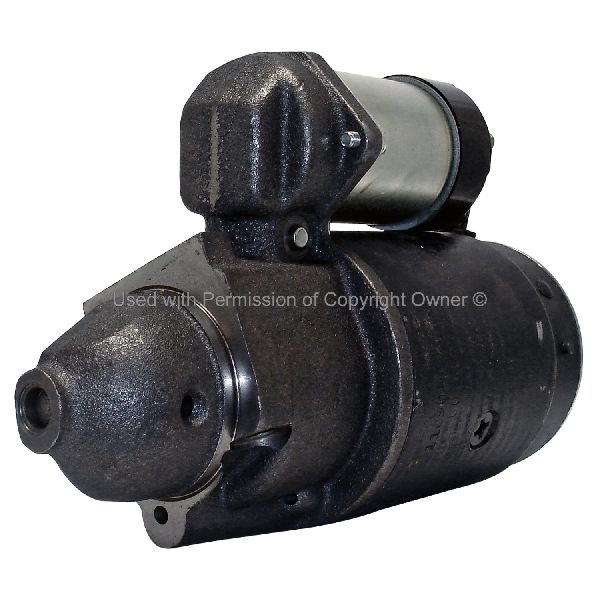
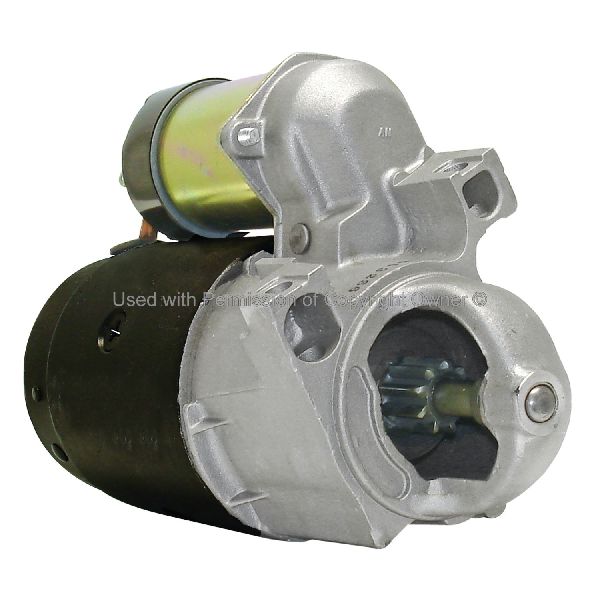
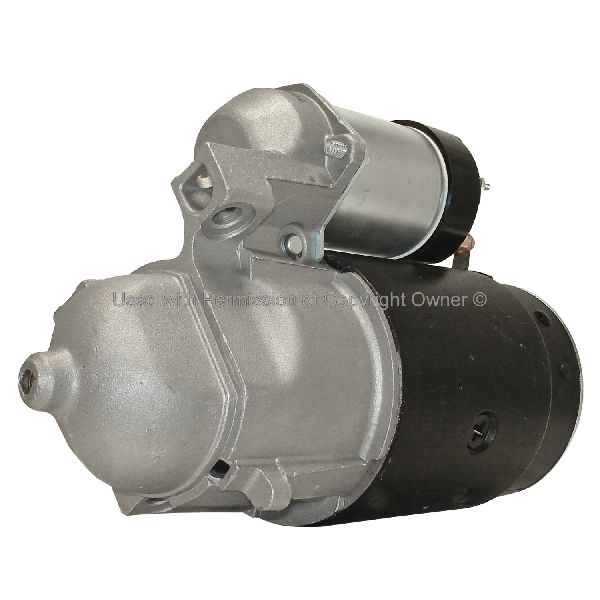
The most important specification is compatibility with your engine's flywheel, which will be either 153-tooth or 168-tooth. This determines the required bolt pattern for the starter. Many aftermarket starters feature a dual bolt pattern to fit both configurations. For V8 models, a high-torque, gear-reduction starter is a recommended upgrade to combat heat soak and improve cranking power.
We Have This Part in Stock

The information in this article is provided for general reference and educational purposes only. Vehicle specifications, procedures, and part compatibility can vary by production date, trim level, and region. Always consult your vehicle's factory service manual and verify part numbers before purchasing or performing repairs. Safety-critical components such as airbags, seat belts, and braking systems should be installed by a qualified professional.
- 🎬 Helpful Videos
- 🛍️ Shop This Part
- Is Your Caprice Starter Failing?
- Common Failure Symptoms:
- Known Issue: Starter Heat Soak
- Choosing the Right Aftermarket Starter
- Performance & High-Torque Mini-Starters
- OEM-Style Replacements
- Standard/Value Replacements
- Pro Tip: The 90s Truck Starter Upgrade
- Frequently Asked Questions (FAQ)
- 🎟️ Get 5% Off