

Choosing the Right Alternator for Your 1966-1982 Chevrolet Caprice
Keep your classic Caprice's electrical system healthy and reliable with the correct new aftermarket alternator.
- You must verify if your Caprice needs an externally regulated or internally regulated alternator before buying.
- For stock vehicles, a 60-70 amp alternator is sufficient; for modified cars with modern electronics, choose a 100+ amp unit.
- Replacing the alternator is a simple DIY job for most owners, taking about an hour with basic tools.
- When upgrading to a high-output alternator, you must also upgrade the main charge wire to prevent a fire hazard.
Symptoms of a Failing Alternator
An alternator rarely fails without warning. If you notice any of these signs with your Caprice, it's time to inspect your charging system. Ignoring them can leave you stranded with a dead battery.
- Dimming or Flickering Lights: Headlights, interior lights, or dash lights that pulse, dim at idle, or flicker are a classic sign of a weak alternator.
- "GEN" or Battery Warning Light: An illuminated warning light on your dashboard indicates a problem in the charging system.
- Weak or Dead Battery: The alternator's job is to charge the battery. If the alternator fails, the car will run off the battery until it's completely drained.
- Whining or Grinding Noises: A high-pitched whine or a grinding sound from the front of the engine can be caused by failing bearings inside the alternator.
- Electrical Issues: Slow power windows, a weak radio signal, or other strange electrical behavior can point to insufficient power from the alternator.
Choosing Your New Aftermarket Alternator
For a classic car like the 1966-1982 Caprice, the aftermarket offers a wide range of excellent options that often exceed original factory specifications. The most critical choice you'll make is selecting the correct regulator type and amperage for your specific car.
Critical Choice: Internal vs. External Regulator
The 1966-1982 Caprice generation spans a major change in GM alternator technology. Early models (typically until around 1971/1972) used an externally regulated alternator (like the 10DN), with a separate voltage regulator box mounted on the firewall or radiator support. Later models switched to a more modern internally regulated alternator (like the 10SI), which has the regulator built-in. You must identify which system your car has. They are not interchangeable without wiring modifications. An internally regulated alternator has a two-prong plug where the connections are side-by-side, while an externally regulated one often has them oriented vertically.
Amperage: Stock vs. High-Output
Stock alternators for this era typically produced between 37 and 63 amps. This was enough for the factory equipment of the time. However, if you've added modern accessories, you should consider an upgrade.
- Stock Amperage (60-70 Amps): Ideal for a factory-original car with no major electrical additions. It will run the ignition, lights, and original radio perfectly.
- Mild Upgrade (100-120 Amps): A great choice if you've added an aftermarket stereo system, brighter halogen headlights, or an electric fuel pump.
- High-Output (140+ Amps): Necessary for cars with major power demands like electric cooling fans, powerful audio amplifiers, or air suspension systems. Upgrading to a high-output alternator requires upgrading the main charge wire to a heavier gauge (like 4-gauge) to handle the extra current safely.
Aftermarket Brand Tiers
The brands available offer a good range of quality and price points. For a classic like the Caprice, most new aftermarket units are a significant improvement over the 40+ year old original technology.
- Premium & OE-Style Brands (ACDelco, Bosch, Remy): ACDelco is the original GM parts brand and offers a direct-fit, reliable option. Bosch and Remy are long-standing, reputable manufacturers known for OE-quality parts. These are excellent choices for owners who want peace of mind and long-term reliability.
- Performance & High-Output Brands (Powermaster, Proform): These brands specialize in high-amperage alternators for modified vehicles. Powermaster offers units that look like the original but provide higher output, as well as modern 1-wire designs for simplified installation on custom builds.
- Standard Replacement Brands (WAI Global, BBB Industries, MPA): These companies produce a large volume of new and remanufactured alternators that meet or exceed original specifications. They offer a solid balance of quality and value for daily drivers and stock restorations.
Known Issues, Recalls, and Service Bulletins
A search of the National Highway Traffic Safety Administration (NHTSA) database shows no open recalls or technical service bulletins (TSBs) related to the alternator for the 1966-1982 Chevrolet Caprice. Recalls found were for much newer models. The most common reported issues in owner forums relate to incorrect installation, bad grounds on the external voltage regulator, or choosing an alternator with the wrong regulator type.
Frequently Asked Questions (FAQ)
Can I replace my Caprice's alternator myself?
Yes, for most DIY mechanics, this is a very straightforward job. It typically involves disconnecting the battery, loosening the belt, removing a few bolts and electrical connectors, and then reversing the process. The job usually takes about an hour and requires basic hand tools.
What is a "1-wire" alternator and do I need one?
A 1-wire alternator is a type of internally regulated alternator that simplifies wiring. It only requires a single heavy-gauge wire connected directly to the battery to function. This is popular for custom cars and engine swaps. Unless you are significantly modifying your Caprice's wiring, a standard alternator that uses the factory plug is the easiest, most direct replacement.
Do I need to replace my external voltage regulator if I get a new alternator?
If your car has an external regulator and you are replacing the alternator with another externally regulated model, it's a good idea to replace the regulator at the same time, especially if you suspect a charging problem. They are inexpensive and can fail. If you are converting to an internally regulated alternator, you will bypass and remove the old external regulator as part of the wiring conversion.
My new alternator was tested at the store and is good, but my car still has charging problems. What's wrong?
Check the basics first. Ensure the battery is fully charged and healthy. Verify the belt is tight and not slipping. Most importantly, check your grounds. The alternator, engine block, and voltage regulator (if external) must have clean, solid ground connections to the chassis. Also, inspect the wiring at the firewall bulkhead connector, as corrosion there can cause voltage drops.
Technical Specifications
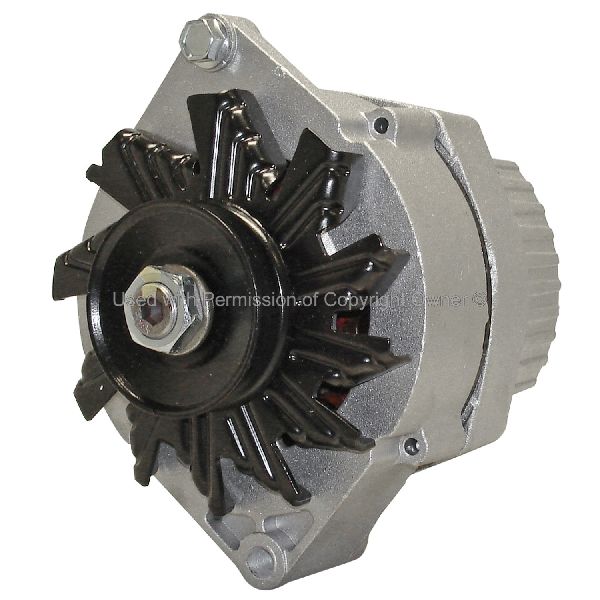
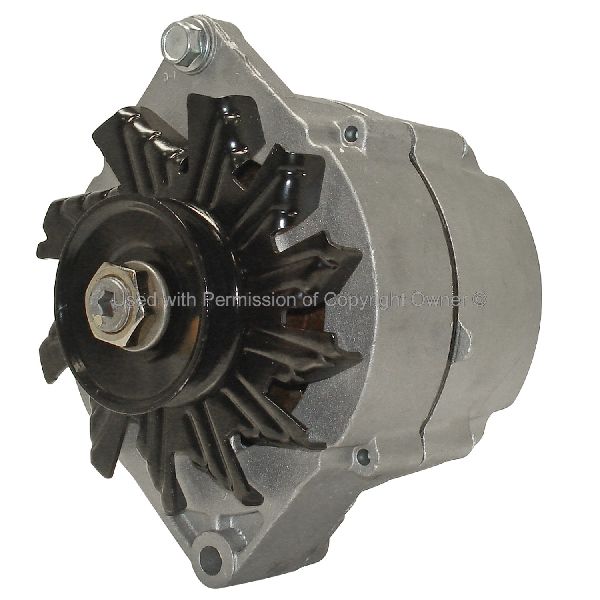
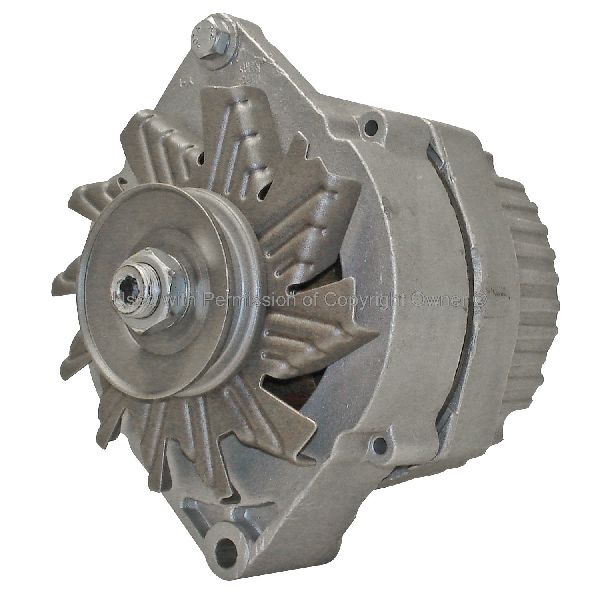
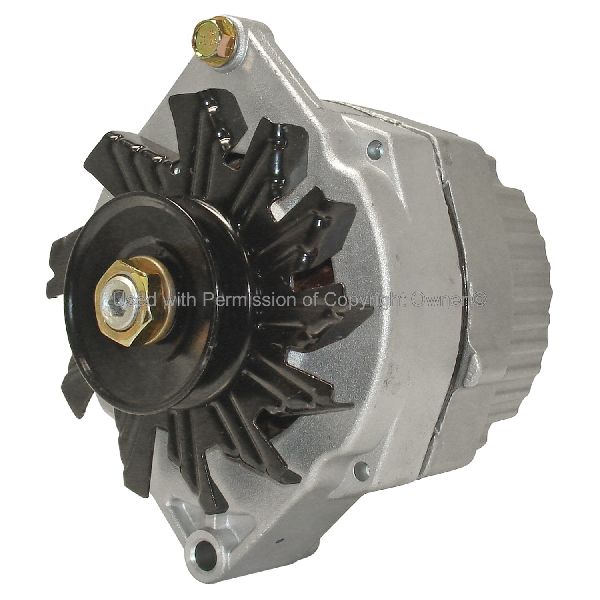
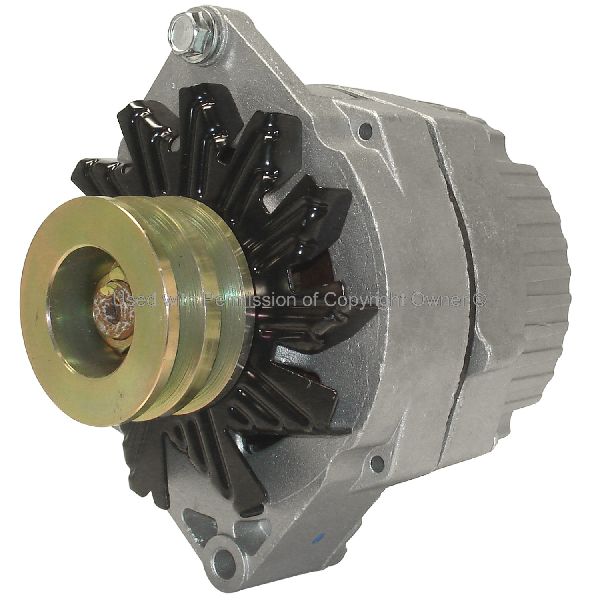
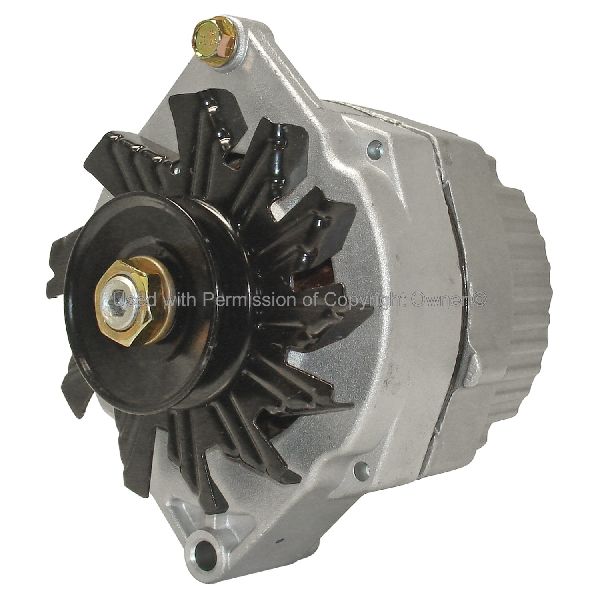
Voltage: 12V; Amperage Range: 37A to 200A+; Regulator Type: External (10DN style, ~1966-1972) or Internal (10SI style, ~1973-1982); Pulley Type: V-Belt (single or double groove).
We Have This Part in Stock

The information in this article is provided for general reference and educational purposes only. Vehicle specifications, procedures, and part compatibility can vary by production date, trim level, and region. Always consult your vehicle's factory service manual and verify part numbers before purchasing or performing repairs. Safety-critical components such as airbags, seat belts, and braking systems should be installed by a qualified professional.