

Manual Transmission Mount Guide for the 1967 Chevrolet K20 Panel
Addressing the clunks, vibrations, and shakes from a worn-out transmission mount in your classic K20 Panel.
- Listen for clunking noises when shifting or accelerating, as this is the most common sign of a failed mount.
- Aftermarket brands like Anchor, DEA, and Westar are budget-friendly but may have inconsistent quality or fitment.
- Any new mount is an improvement over a broken one, but inspect it before installation for obvious defects.
- When replacing the mount, always inspect the transmission crossmember for cracks, a known issue on older GM trucks.
Is Your K20 Panel's Transmission Mount Failing?
A worn-out transmission mount on a classic truck like the '67 K20 Panel makes itself known with distinct sounds and feelings. Because these mounts are made of rubber and metal, the rubber portion can crack, collapse, or become soaked with oil, losing its ability to support the transmission and absorb vibration. Look for these common symptoms:
- Clunking or Banging Noises: The most common sign is a loud clunk or thud when you shift gears, accelerate hard, or brake suddenly. This is the sound of the transmission moving excessively and hitting the vehicle's frame.
- Excessive Vibrations: You might feel new or worsening vibrations through the floor, seat, or steering wheel. This can feel like a constant buzz that changes with engine speed or load.
- Shifting Difficulty: A sagging mount can throw the transmission out of alignment. This can make the gear shifter feel stiff, cause grinding noises when shifting, or even make the transmission pop out of gear in severe cases.
- Visible Movement: A mechanic can often see the transmission rocking or lifting excessively when shifting from drive to reverse or revving the engine. You can also perform a visual inspection for cracked or collapsed rubber.
A Note on OEM vs. Aftermarket for a 1967 Vehicle
For a 1967 Chevrolet K20 Panel, finding a "New Old Stock" (NOS) OEM transmission mount is highly unlikely. Your realistic options are a used original part from a salvage yard or a new aftermarket part. While a used OEM part might have been made with better materials originally, it's still decades-old rubber. New aftermarket parts are readily available and affordable, but their quality can be inconsistent.
Choosing the Right Aftermarket Mount
The available aftermarket brands for your K20 Panel—Anchor, DEA, and Westar—are considered economy options. Reviews are often mixed, but they are the most practical choice for getting your truck back on the road.
- Anchor: Generally seen as a functional, budget-friendly choice. Some mechanics have used them for years with acceptable results, considering them close enough to original quality for the price.
- Westar & DEA: These brands also fall into the economy category. Some users in forums have reported issues with fitment, premature failure, or using thinner materials compared to the original parts. For example, one comparison noted a Westar mount used metal half as thick as the OEM version.
For a classic truck, any new mount is better than a completely failed one. Given the low cost of these parts, the main consideration is getting a proper fit. Be prepared for the possibility that minor adjustments, like elongating a bolt hole, might be needed to make it fit correctly.
Pro Tip: Inspect the Crossmember
While you are replacing the transmission mount, take a close look at the transmission crossmember it bolts to. On these old GM trucks, the crossmember itself can develop cracks from stress over the years. Cleaning the area and checking for fractures before installing the new mount can save you from future problems.
| Part Type | Estimated Cost |
|---|---|
| New Aftermarket Part | $5 - $14 |
| Shop Labor | $85 - $125 |
| Total Estimated Cost | $90 - $139 |
Frequently Asked Questions (FAQ)
Can I still drive with a bad transmission mount?
You can, but it's not recommended for long. A completely failed mount puts extra stress on your engine mounts, driveshaft U-joints, and exhaust system. In extreme cases, the movement could damage transmission seals or even the transmission case itself, leading to leaks and much more expensive repairs.
How can I check the mount myself?
Safely secure the vehicle on jack stands. With the truck in park and the parking brake on, you can visually inspect the mount for obvious cracks, separated rubber, or sagging. You can also use a pry bar to gently check for excessive movement between the transmission tail housing and the crossmember. If it moves easily with a lot of play, it needs replacement.
Is this a difficult job to do at home?
For someone with mechanical experience and the right tools, this is a very feasible DIY job. It requires a good floor jack to support the transmission, jack stands, and basic hand tools (sockets and wrenches). The entire process typically takes about an hour to an hour and a half.
Are there any recalls for this part?
There are no specific recalls for the transmission mount on a 1967 Chevrolet K20 Panel. A major GM motor mount recall occurred in 1971, but it was for a different issue on different vehicles. Always check for any open recalls on your vehicle using the NHTSA website.
Technical Specifications
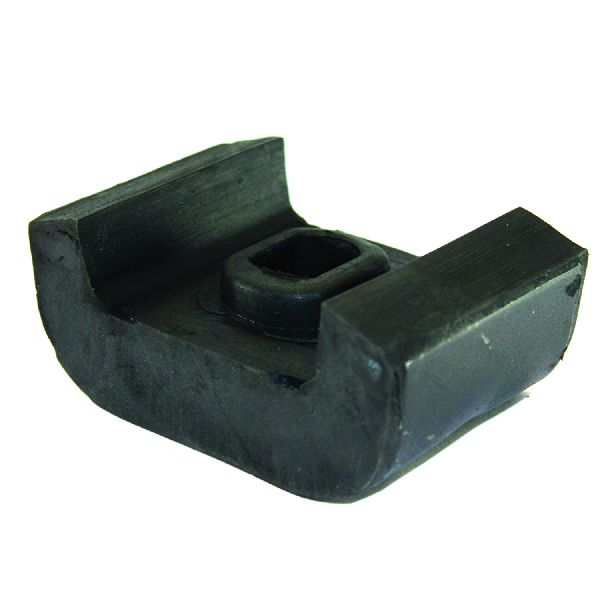
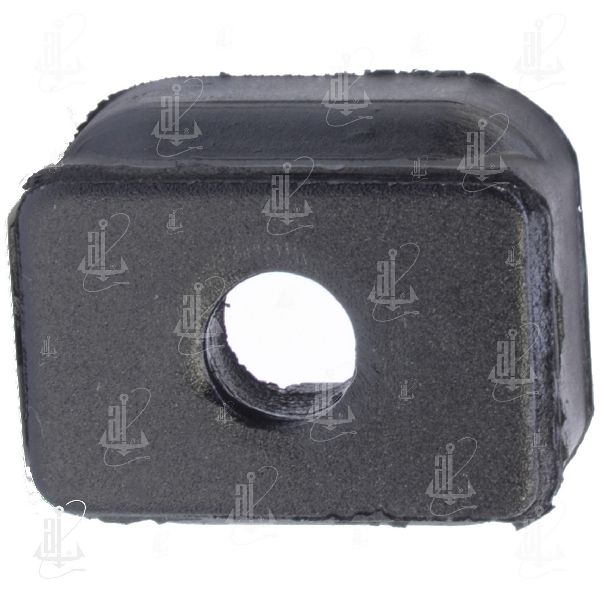
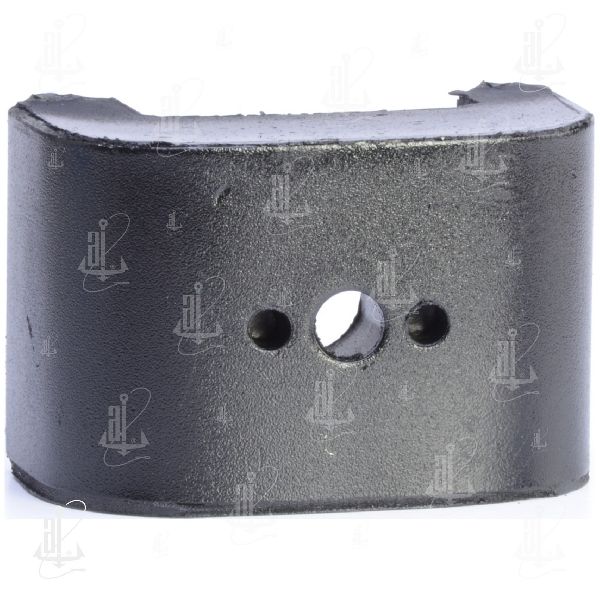
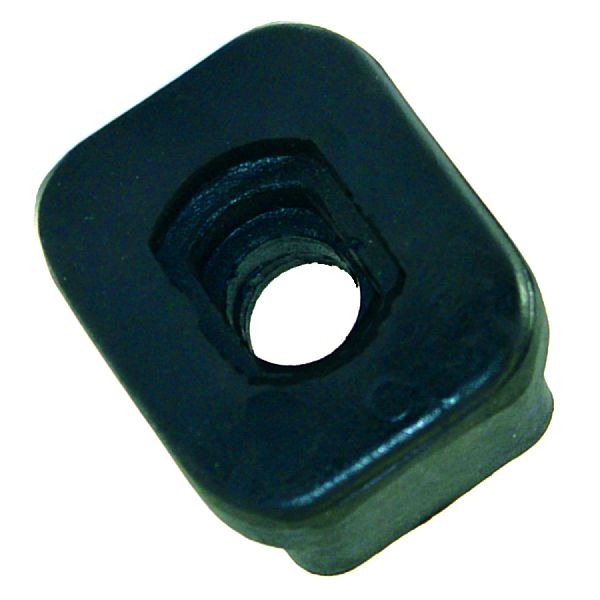
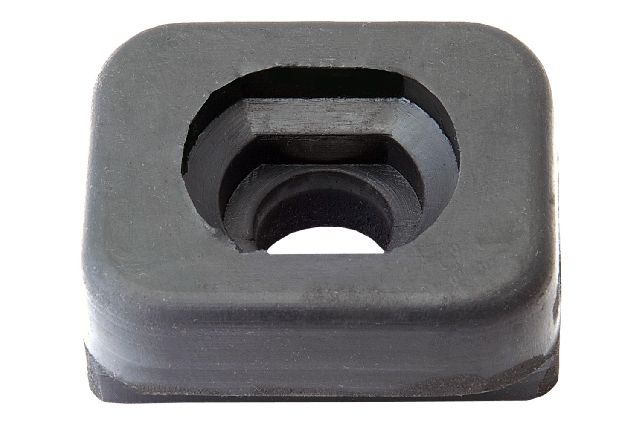
Standard two-bolt mount design consisting of a steel frame and a solid rubber block. Some replacement parts may require you to reuse the original mounting bracket.
We Have This Part in Stock

The information in this article is provided for general reference and educational purposes only. Vehicle specifications, procedures, and part compatibility can vary by production date, trim level, and region. Always consult your vehicle's factory service manual and verify part numbers before purchasing or performing repairs. Safety-critical components such as airbags, seat belts, and braking systems should be installed by a qualified professional.