

Choosing the Right Starter Motor for Your 1967 Chevrolet K20 Panel
Solve common starting problems like heat soak and slow cranking with the right new aftermarket starter.
- Heat soak is the most common starter problem for the 1967 K20; a modern high-torque, gear-reduction starter is the best solution.
- New OEM starters are not available; a new aftermarket unit from a brand like Powermaster or Proform is a common and effective upgrade.
- Properly shimming the new starter is critical to prevent grinding noises and expensive damage to the flywheel.
- Before replacing the starter, always confirm the battery is fully charged and the cable connections are clean and tight.
Is Your K20 Panel Starter Failing?
On a classic truck like the '67 K20, starter problems are common due to age and original design limitations. Recognizing the signs can help you diagnose the issue before you get stuck. Before assuming the starter is bad, always make sure your battery is fully charged and the battery cables are clean, tight, and free of corrosion.
Engine Won't Start When Hot (Heat Soak)
This is the most common problem for these trucks. The original, large starter sits close to the hot exhaust manifold. This heat "soaks" into the starter, increasing electrical resistance. The result is a truck that starts perfectly when cold but refuses to crank or cranks very slowly after it's fully warmed up. After letting it cool for 20-30 minutes, it might start up again. Modern aftermarket starters are specifically designed to solve this issue.
Other Common Symptoms:
- Single Loud Click, No Crank: When you turn the key, you hear one loud 'click' from under the hood, but the engine doesn't turn over. This classic symptom usually points to a bad starter solenoid, which is part of the starter assembly.
- Slow, Labored Cranking: The engine turns over sluggishly, as if the battery is dead, even when you know it's good. This often means the starter motor itself is worn out and losing strength.
- Grinding Noises: A harsh grinding or whirring sound during or after starting means the starter gear isn't meshing correctly with the engine's flywheel. This is often caused by incorrect installation or missing shims and can cause serious damage if ignored.
- No Sound at All: You turn the key, the dash lights come on, but there is no click and no crank. This can indicate a completely failed starter, but be sure to also check the ignition switch and wiring.
Choosing Your New Aftermarket Starter
For a 1967 K20 Panel, new Original Equipment Manufacturer (OEM) starters are no longer produced. Aftermarket starters are the go-to solution and often provide a significant upgrade over the 50-year-old original design.
Stock Replacement vs. High-Torque (Gear Reduction)
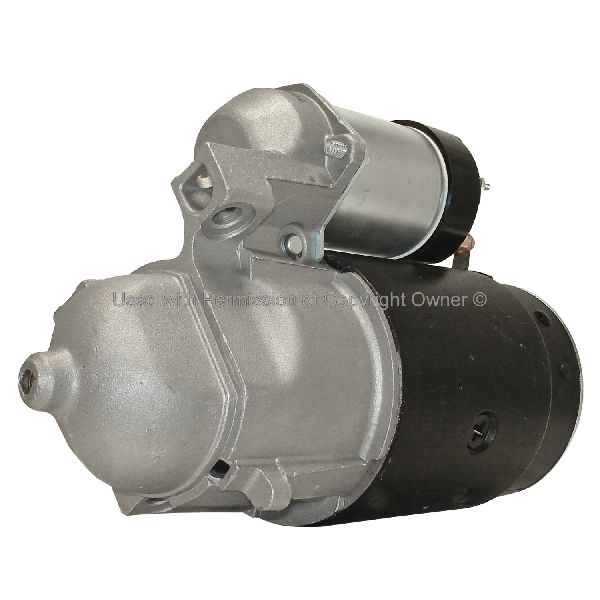
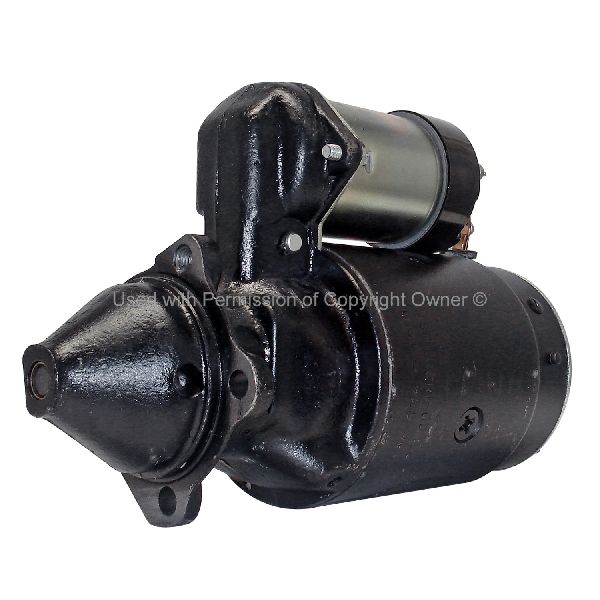
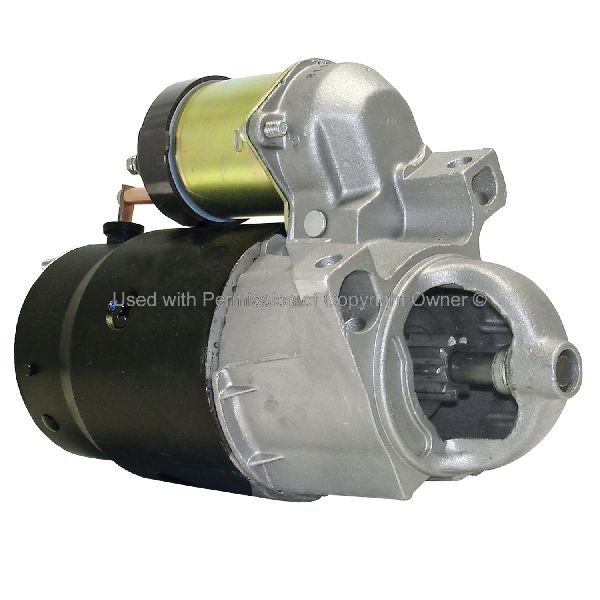
Stock Replacement: These look and function like the original large Delco-Remy starter. They are typically the most affordable option but can be heavy and may still be prone to the heat soak issue. Brands like MPA offer reliable stock replacements.
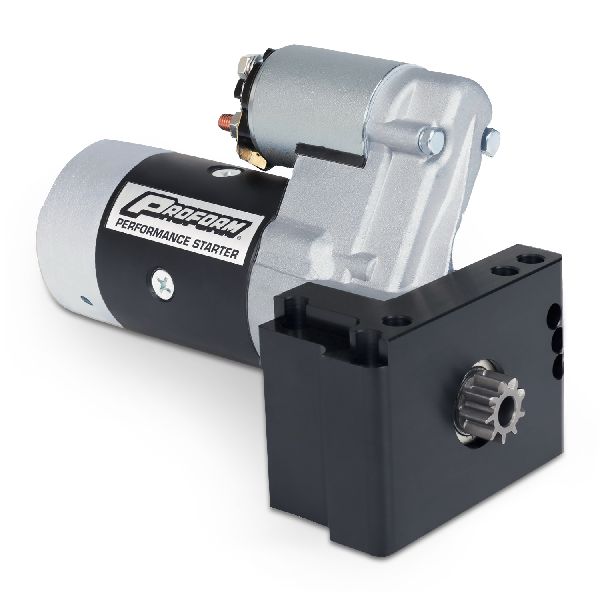
High-Torque / Gear Reduction: This is a popular and highly recommended upgrade. These starters use internal gears to multiply torque, allowing them to spin the engine faster while drawing less power from the battery. They are also much smaller and lighter, which improves clearance around the exhaust and is the best solution for heat soak.
Aftermarket Brand Tiers
Your budget will likely determine your choice, but quality often correlates with price.
- Better/Best (High-Torque): Powermaster is a well-regarded brand in the classic truck community, known for powerful, reliable, and durable high-torque starters made in the USA. They are considered a top-tier choice for solving heat soak and for trucks with modified engines.
- Good (High-Torque): Proform offers affordable high-torque, gear-reduction starters that provide more power than stock. While many users have good results, some reviews mention inconsistent quality or premature failure, placing them as a solid budget-friendly upgrade.
- Good (Stock Replacement): MPA (Motorcar Parts of America), which produces brands like Quality-Built and Pure Energy, is a major supplier of new and remanufactured starters. They are a cost-effective and reliable choice if you need a direct, stock-style replacement for a standard engine.
Cost of a New Starter for a 1967 K20 Panel
| Part Type | Estimated Cost | Notes |
|---|---|---|
| New Aftermarket (Stock Style) | $89 - $150 | Good for basic, budget-conscious repairs. (e.g., MPA) |
| New Aftermarket (High-Torque) | $150 - $285+ | Recommended upgrade for reliability and performance. (e.g., Proform, Powermaster) |
| Shop Labor for Installation | $125 - $250 | Typically 1-2 hours of work. |
Frequently Asked Questions (FAQ)
Do I need shims to install my new starter?
Probably. Shims are thin metal spacers used to get the correct distance between the starter gear and the flywheel. Incorrect spacing is a primary cause of grinding noises and gear damage. Many new starters, especially high-torque models, come with shims and instructions for checking the clearance. Taking the time to do this is critical for a successful installation.
Are there any recalls for the starter on my 1967 K20?
No, there are no recalls or technical service bulletins (TSBs) from the manufacturer for the starter motor on a 1967 Chevrolet K20 Panel. Any failure you experience is due to the age and wear of the original components.
What's the difference between a starter for a 153-tooth and 168-tooth flywheel?
Classic Chevy engines used two different flywheel sizes. The smaller 153-tooth flywheel uses a starter with a straight-across bolt pattern. The larger 168-tooth flywheel uses a starter with a staggered (offset) bolt pattern. Many aftermarket high-torque starters from brands like Powermaster and Proform have dual mounting holes to fit either flywheel, which simplifies ordering.
Can I replace the starter myself?
Yes, for most owners with basic hand tools, this is a very manageable DIY job. The process involves safely raising the vehicle, disconnecting the battery, removing two wires and two mounting bolts, and then reversing the process. The most important part is ensuring the new starter is shimmed correctly.
Technical Specifications
The original starter was a large, direct-drive Delco-Remy 10MT style unit. Aftermarket replacements are available in this stock configuration or as a more modern, high-torque gear-reduction design. Compatibility depends on the flywheel size (153-tooth or 168-tooth), which dictates a straight or staggered mounting bolt pattern, respectively. Many aftermarket units fit both.
We Have This Part in Stock

The information in this article is provided for general reference and educational purposes only. Vehicle specifications, procedures, and part compatibility can vary by production date, trim level, and region. Always consult your vehicle's factory service manual and verify part numbers before purchasing or performing repairs. Safety-critical components such as airbags, seat belts, and braking systems should be installed by a qualified professional.
- 🛍️ Shop This Part
- Is Your K20 Panel Starter Failing?
- Engine Won't Start When Hot (Heat Soak)
- Other Common Symptoms:
- Choosing Your New Aftermarket Starter
- Stock Replacement vs. High-Torque (Gear Reduction)
- Aftermarket Brand Tiers
- Cost of a New Starter for a 1967 K20 Panel
- Frequently Asked Questions (FAQ)
- 🎟️ Get 5% Off