

A Guide to Choosing the Right Spark Plug for Your 1967-1969 Kawasaki C2SS
Keep your classic C2SS 120 Roadrunner running smoothly with the correct new aftermarket spark plug.
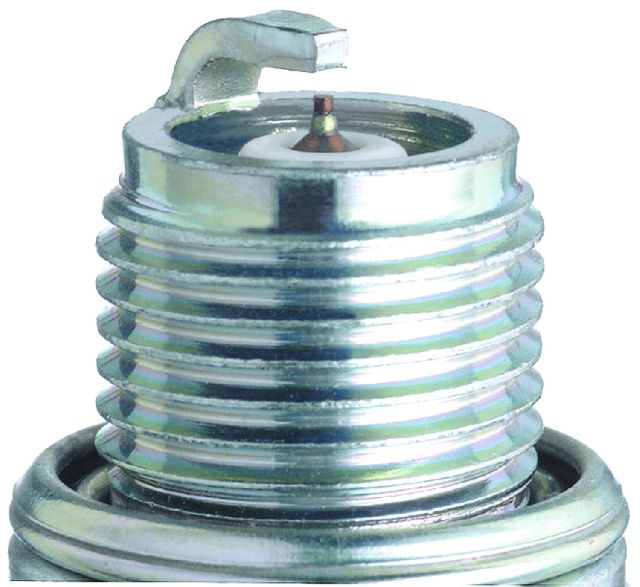
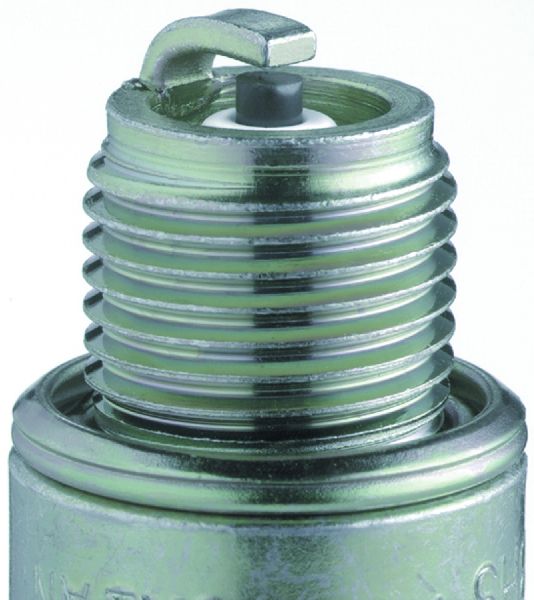
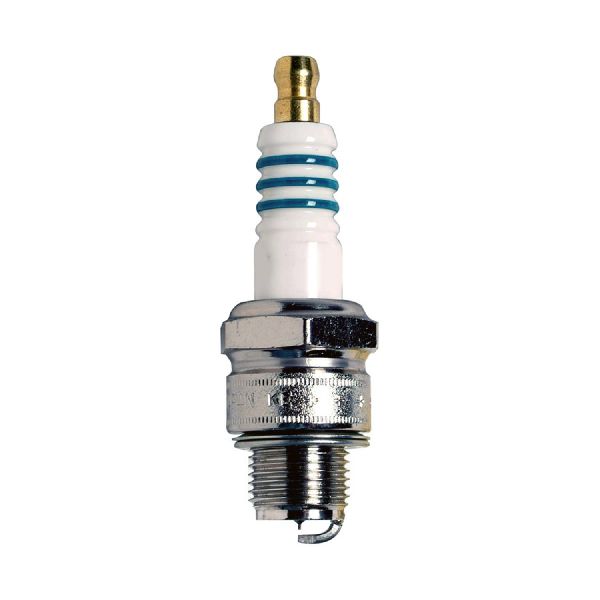
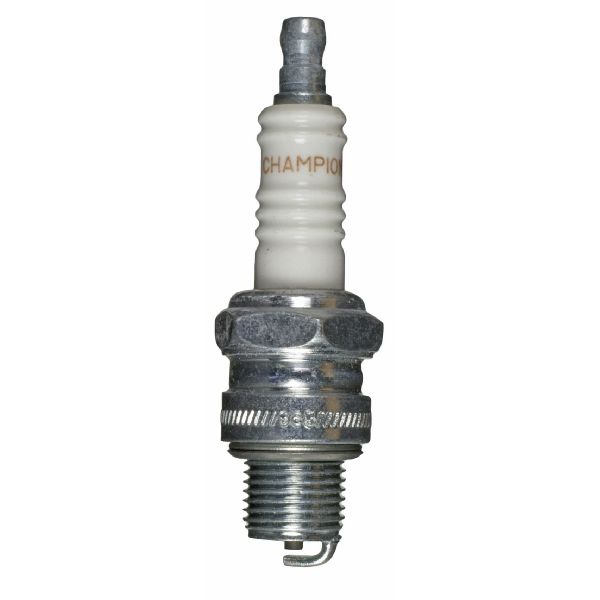
- The standard recommended spark plug is an NGK B7HS or a direct cross-reference like a Denso W22FS-U or Champion L82C.
- Using the correct heat range is critical for a two-stroke engine to prevent fouling or engine damage.
- Always check and set the spark plug gap to the recommended specification (around 0.028 inches) before installation.
- Replacement is simple and should be done regularly; a standard copper plug is often the most cost-effective choice for this vintage bike.
Symptoms of a Failing Spark Plug
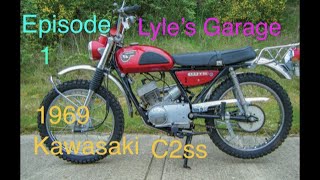
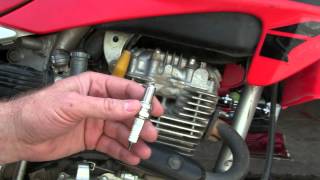
A worn or incorrect spark plug can cause noticeable problems with your motorcycle. Because it's an inexpensive and easy part to replace, checking the spark plug is often the first step in diagnosing engine issues. 🎬 Watch: A step-by-step guide to changing your motorcycle spark plug. Common symptoms include:
- Hard Starting: A weak spark makes it difficult for the engine to fire up, especially when cold.
- Engine Misfires: You might hear a sputtering or popping sound from the engine. This happens when the fuel in the cylinder doesn't ignite properly.
- Rough Idle: A faulty plug can cause the engine to run unevenly and vibrate more than usual when stopped.
- Poor Acceleration: If the bike feels sluggish or hesitant when you twist the throttle, the spark plug may not be firing consistently under load.
- Increased Fuel Consumption: When a plug misfires, unburnt fuel is wasted, leading to worse gas mileage.
Choosing the Right Aftermarket Spark Plug
For a vintage motorcycle like the C2SS, the concept of "OEM vs. Aftermarket" is different than for a modern bike. Original 1960s parts are no longer in production. Instead, you'll be choosing from modern aftermarket brands that manufacture plugs to the original specifications. The most important factor is selecting a plug with the correct specifications, especially the heat range.
What is a Heat Range?
A spark plug's heat range is its ability to transfer heat away from its firing tip. A "hotter" plug transfers heat more slowly, burning off carbon deposits, while a "colder" plug transfers heat faster to prevent overheating in high-performance conditions. For a two-stroke engine like the C2SS, using the correct heat range is critical to prevent fouling (a black, sooty plug from running too cold) or engine damage from pre-ignition (running too hot).
The standard, factory-recommended spark plug for the 1967-1969 Kawasaki C2SS is the NGK B7HS. This should be your starting point. Aftermarket brands offer direct equivalents.
Brand Tiers & Quality
- NGK: Widely considered the go-to brand for vintage Japanese motorcycles. An NGK B7HS or its modern equivalent (like the BR7HIX Iridium) is a reliable choice. Many owners prefer to stick with NGK to avoid any cross-reference issues with heat ranges.
- Denso: Another high-quality Japanese manufacturer. Denso's equivalent to the NGK B7HS is the W22FS-U. They are a solid alternative to NGK and are often used as original equipment on many Japanese vehicles.
- Champion: A well-known American brand. The Champion equivalent is the L82C or L78C. While a reputable brand, some vintage bike enthusiasts prefer to use the Japanese brands (NGK, Denso) that were common when the bike was new.
While premium plugs made from iridium are available, many owners of older bikes find that standard copper plugs work best and provide excellent performance for their cost, especially since they should be checked and replaced regularly.
Aftermarket Spark Plug Cost (1967-1969 Kawasaki C2SS)
| Part Type | Price Range (Single Plug) | Notes |
|---|---|---|
| New Aftermarket (Standard Copper) | $3.48 - $7.00 | The most common and recommended type (e.g., NGK B7HS). |
| New Aftermarket (Iridium) | $9.00 - $17.05 | Offers longer life but may not provide a noticeable performance gain on this engine. |
Known Issues, Recalls, or TSBs
There are no recalls or Technical Service Bulletins (TSBs) from the National Highway Traffic Safety Administration (NHTSA) regarding spark plugs for the 1967-1969 Kawasaki C2SS. Any issues you encounter will likely be due to normal wear, improper installation, or using an incorrect plug type.
Frequently Asked Questions (FAQ)
How often should I replace the spark plug on my C2SS?
For a vintage two-stroke using standard plugs, it's good practice to inspect the plug every 1,000-2,000 miles and replace it at least every 2,000-4,000 miles, or once a year, whichever comes first. They are inexpensive, and a fresh plug ensures optimal performance.
What is the correct spark plug gap for the Kawasaki C2SS?
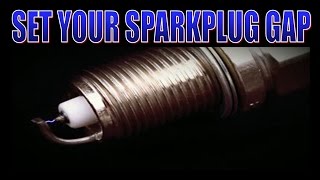
The recommended spark plug gap is typically around 0.028 inches (0.7mm). Always double-check the gap on a new spark plug with a feeler gauge before installation.
🎬 Watch: How to properly set and check your spark plug gap.What do different colors on my old spark plug mean?
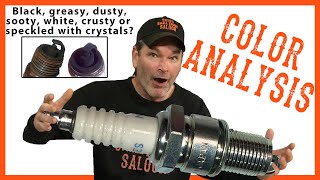
Reading the spark plug can tell you about your engine's health. A light tan or grayish-brown color on the insulator nose means the engine is running well. A black, sooty plug indicates a rich fuel mixture or a plug that's too cold. A white or blistered insulator means the engine is running too hot or the plug's heat range is too hot.
🎬 See how to diagnose engine health by reading plug colors.Do I need to use anti-seize on the spark plug threads?
Most modern spark plugs from brands like NGK have a special plating that prevents them from seizing in the cylinder head, so anti-seize is not recommended. If you do use it, apply only a very small amount to the threads and reduce the tightening torque to avoid over-tightening.
Helpful Videos
Technical Specifications
OEM Part Numbers: B7HS
Standard Plug: NGK B7HS Thread Diameter: 14mm Thread Reach: 12.7mm (1/2") Hex Size: 20.8mm (13/16") Heat Range: 7 (NGK) Recommended Gap: 0.028" (0.7mm)
We Have This Part in Stock

The information in this article is provided for general reference and educational purposes only. Vehicle specifications, procedures, and part compatibility can vary by production date, trim level, and region. Always consult your vehicle's factory service manual and verify part numbers before purchasing or performing repairs. Safety-critical components such as airbags, seat belts, and braking systems should be installed by a qualified professional.