

Choosing the Right Spark Plugs for a 1967-1970 Nissan 2000
Keep your classic Datsun Roadster 2000 running strong by selecting the correct spark plugs for its U20 engine.
- Stick with standard copper-core spark plugs like the NGK BP6ES for reliable performance in the stock U20 engine.
- Always check and set the spark plug gap before installation; use 0.027"-0.031" for stock ignition.
- Symptoms of failure include rough idle, poor acceleration, and difficulty starting.
- This is an easy and inexpensive DIY job that can be completed in under 30 minutes.
Signs of Failing Spark Plugs
Worn or fouled spark plugs can cause noticeable problems in your Datsun Roadster. Because these classic cars have simpler engine systems, the symptoms are often easy to spot. You might feel the engine running rough, especially when idling. Other signs include difficulty starting the car, a loss of acceleration power, and worse gas mileage. Sometimes, you may even hear the engine misfire, which sounds like a sputtering or stumbling noise.
What is a Fouled Spark Plug?
A spark plug becomes "fouled" when its tip gets covered in a substance like carbon, oil, or fuel. This coating prevents the plug from creating a good spark. In a carbureted car like the Nissan 2000, this can happen if the carburetors are running too rich (too much fuel) or if the engine has internal wear.
Choosing the Right Aftermarket Spark Plugs
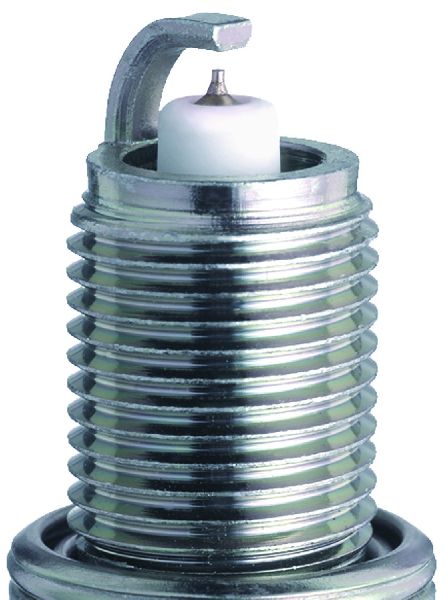
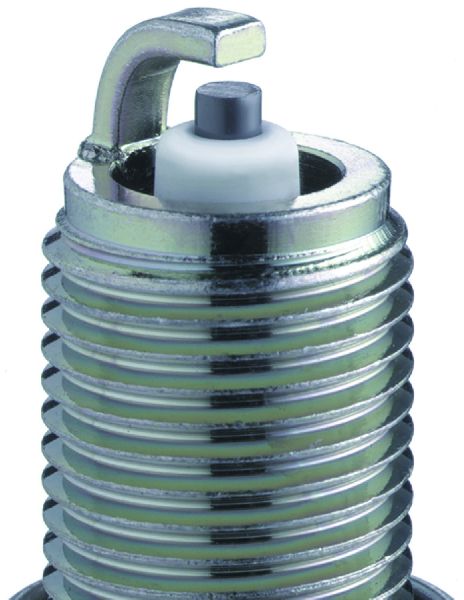
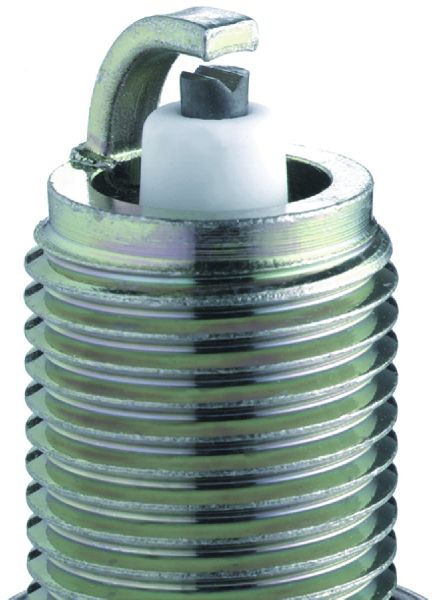
For a vintage vehicle like the 1967-1970 Nissan 2000, sticking to the basics is often the best approach. The original spark plugs were standard copper-core types, and high-quality aftermarket versions from brands like NGK are an excellent choice. While modern platinum or iridium plugs are available, they don't offer much, if any, benefit for the stock U20 engine and can sometimes cause issues. Standard copper plugs are affordable and perform perfectly when replaced at regular intervals.
Recommended Brands & Tiers
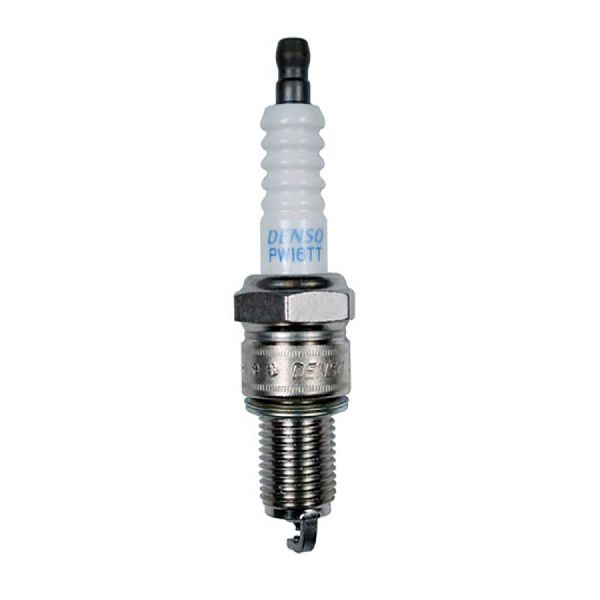
- Top Tier (OEM equivalent): NGK is the most recommended brand by Datsun Roadster owners. The NGK BP6ES is the standard, reliable choice for the U20 engine. Some owners with higher-compression engines prefer the non-projected BR6ES to prevent pinging. Denso is another high-quality Japanese brand that offers compatible plugs.
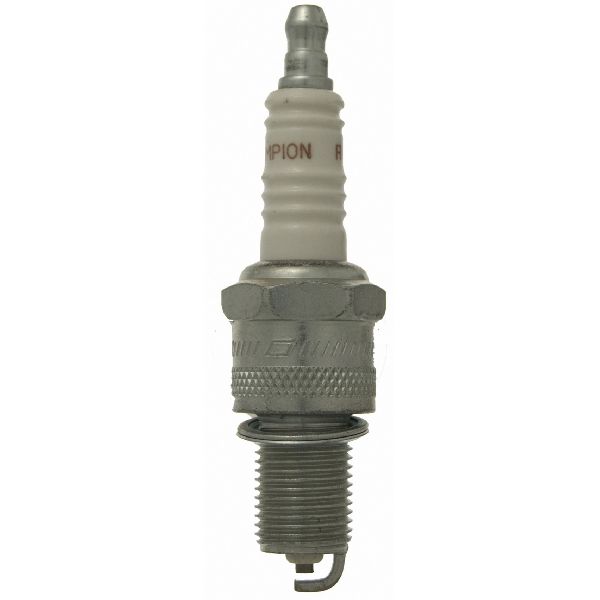
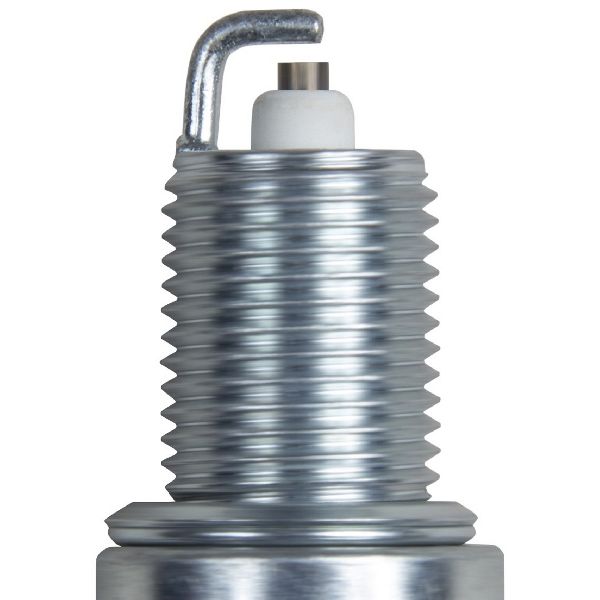
- Mid-Tier: Champion offers copper plugs that are a reliable and cost-effective option for these vehicles.
- Budget-Friendly: Autolite provides functional spark plugs that meet basic requirements and are easy on the wallet.
Check the Gap!
Spark plugs do not always come with the correct gap for your specific car. For a stock 1967-1970 Nissan 2000 ignition, the gap should be set between 0.027 and 0.031 inches. If you have an aftermarket electronic ignition, you may need a wider gap, often between 0.039 and 0.043 inches. Always use a feeler gauge to check and adjust the gap before installation.
Known Issues, Recalls, or TSBs
Due to the age of the 1967-1970 Nissan 2000, there are no active recalls or Technical Service Bulletins (TSBs) from Nissan or the NHTSA related to spark plugs. Any running issues are typically due to normal wear and tear of ignition components or incorrect carburetor tuning.
Cost of New Spark Plugs (1967-1970 Nissan 2000)
| Category | Estimated Cost (Set of 4) |
|---|---|
| New Aftermarket | $14 - $65 |
| Shop Labor | $50 - $100 |
Frequently Asked Questions
How often should I change the spark plugs on my Nissan 2000?
For standard copper spark plugs, a good rule of thumb is to replace them every 15,000 to 30,000 miles, or every few years as part of a regular tune-up. Since these are inexpensive, frequent changes are good preventive maintenance.
Should I use resistor or non-resistor plugs?
The 'R' in a spark plug model number (like BPR6ES) stands for resistor. Resistor plugs were designed to reduce radio frequency interference that could cause static on your AM radio. For a stock car, either resistor or non-resistor (BP6ES) plugs will work fine. Most modern plugs are resistor types.
What does the spark plug's heat range mean?
The heat range (the number '6' in BP6ES) refers to how well the plug dissipates heat. A lower number means a "hotter" plug (dissipates heat slower), while a higher number is a "colder" plug (dissipates heat faster). For the Nissan 2000, a heat range of 6 is standard. Using a hotter plug (like a B5ES) can lead to engine pinging or pre-ignition.
Can I replace the spark plugs myself?
Yes, this is a very easy job for a DIY mechanic. The spark plugs on the U20 engine are easily accessible on the side of the cylinder head. You will need a basic socket set with a spark plug socket, a ratchet, and a gapping tool. The entire job can usually be done in under 30 minutes.
Technical Specifications
OEM Part Numbers: 22401-M7714
Recommended Plug: NGK BP6ES (Stock #7333) or BPR6ES Stock Ignition Gap: 0.027" - 0.031" (0.7mm - 0.8mm) Electronic Ignition Gap: ~0.039" - 0.043" Heat Range: 6
We Have This Part in Stock

The information in this article is provided for general reference and educational purposes only. Vehicle specifications, procedures, and part compatibility can vary by production date, trim level, and region. Always consult your vehicle's factory service manual and verify part numbers before purchasing or performing repairs. Safety-critical components such as airbags, seat belts, and braking systems should be installed by a qualified professional.