

Ford Ranchero Engine Mount Guide for 1967-1971 Models
Stop excessive engine vibration and clunking noises by understanding and replacing your Ranchero's worn engine mounts.
- Symptoms like heavy vibration at idle and clunking noises strongly point to failed engine mounts.
- For this classic vehicle, aftermarket mounts from brands like Anchor, DEA, and Westar are the standard, affordable choice.
- Always verify the correct mounts for your specific engine (inline-6, small block V8, or big block V8).
- It is best practice to replace both engine mounts and inspect the transmission mount at the same time.
Is Your Ranchero Shaking or Making Clunking Noises? It Could Be the Engine Mounts.
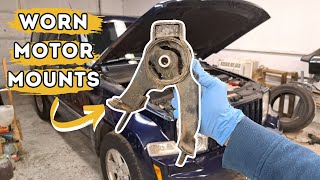
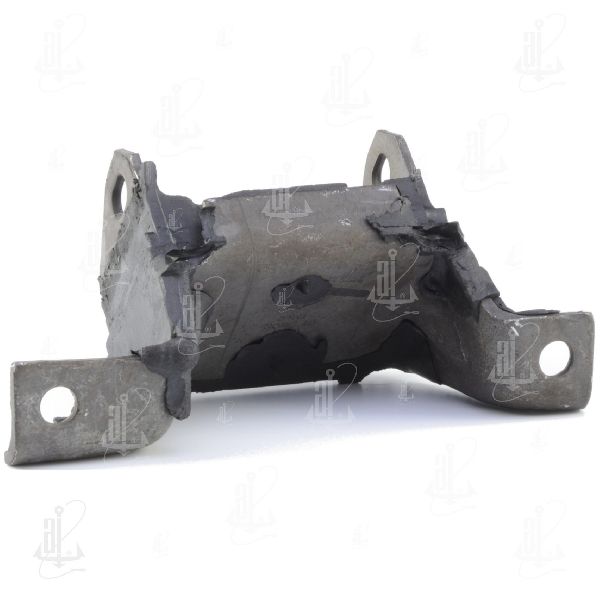
If you're feeling more vibration than usual in the cabin, especially when idling at a stoplight, your engine mounts are the first place to look. These parts are made of rubber and metal; over decades, the rubber simply wears out, dries, and cracks. When the rubber fails, the engine can move excessively, causing clunking sounds when you accelerate, brake, or shift from drive to reverse. In severe cases, you might even see the engine visibly tilt or rock 🎬 Watch how to identify and locate a failing engine mount. if you have someone rev it slightly while you watch.
Don't Ignore a Bad Engine Mount
While you can drive with a failing mount, it's not recommended for long. The extra movement puts stress on other parts like hoses, belts, and the exhaust system, which can lead to more expensive repairs down the road. A completely failed mount can cause significant engine and transmission damage.
Choosing the Right Aftermarket Mounts for Your Classic Ranchero
Original Equipment (OEM) Ford mounts for a 1967-1971 Ranchero are largely unavailable or exist only as very expensive New Old Stock (NOS) parts. For most owners, aftermarket mounts are the practical and affordable choice. The brands available—Anchor, DEA, and Westar—are standard replacement-grade parts. Forum discussions among classic car owners show that these brands are considered functional, but not always as durable as the original parts. For a daily driver or a standard restoration, they get the job done at a low cost.
- Standard Replacement (Anchor, DEA, Westar, Pioneer): These brands offer an OE-style fit and are designed to restore the original ride quality. They are very affordable and widely available. While some users report shorter lifespans compared to original parts, they are a common choice for aging vehicles where cost is a factor.
- Polyurethane/Performance (Energy Suspension): For those with modified engines or who want a more durable solution, polyurethane mounts are an option. These are much stiffer than rubber, which reduces engine movement for better performance but will also transfer more vibration into the cabin, making the ride harsher.
Pro Tip: Check Your Engine and Mount Style
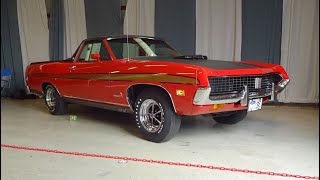
The 1967-1971 Ranchero was available with a wide range of engines, from small inline-sixes to big-block V8s like the 429 Cobra Jet. 🎬 See a 1971 Ranchero GT with a 429 Cobra Jet engine. The engine mounts are specific to the engine type (e.g., small block vs. big block). Always verify the correct part for your specific engine before ordering.
Cost to Replace 1967-1971 Ford Ranchero Engine Mounts
| Part Type | Estimated Cost |
|---|---|
| New Aftermarket Mounts | $12 - $45 per mount |
| Shop Labor | $100 - $250 |
| Total Estimated Cost | $125 - $340 |
Cost estimates are for replacing two engine mounts. Your final cost will vary based on your location and the specific parts you choose.
Frequently Asked Questions
How many mounts does my 1967-1971 Ranchero have?
Your Ranchero typically has a three-point mounting system: one engine mount on each side of the engine block and one transmission mount at the rear of the transmission. It's a good practice to inspect all three when you suspect one has failed.
Should I replace all the mounts at the same time?
Yes, it is highly recommended. If one mount has failed due to age, the others are likely in similar condition. Replacing them all at once ensures the engine is properly aligned and prevents the new mount from failing prematurely due to stress from old, worn mounts.
Is replacing an engine mount a DIY job?
For a mechanically inclined person with the right tools, yes. The process involves supporting the engine with a jack and a block of wood, unbolting the old mount, and installing the new one. However, it requires working under the vehicle and lifting the engine, so safety is critical. If you are not comfortable with this, it's a relatively quick job for a professional mechanic.
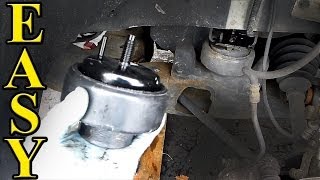
🎬 Learn how to replace a motor or transmission mount yourself.Will new engine mounts fix all vibrations?
New mounts will fix vibrations caused by the engine moving excessively. However, if your vibration is due to other issues like a misfire, unbalanced tires, or an out-of-balance driveshaft, new mounts will not solve the problem.
Helpful Videos

Technical Specifications
OEM Part Numbers: C6OZ-6038G C6OZ-6038H
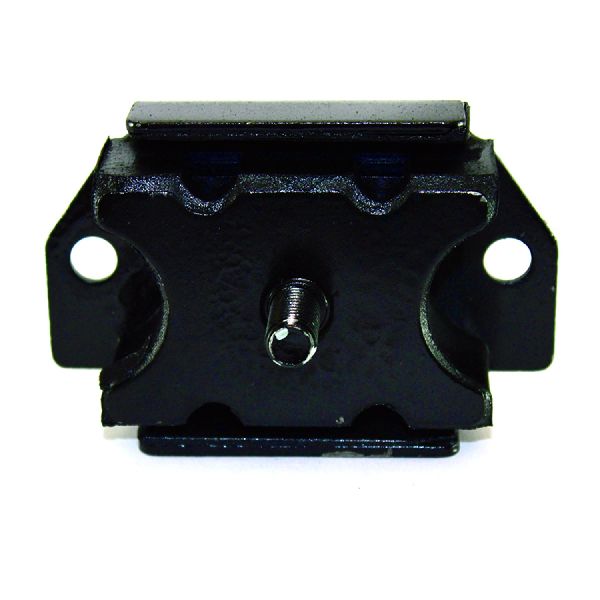
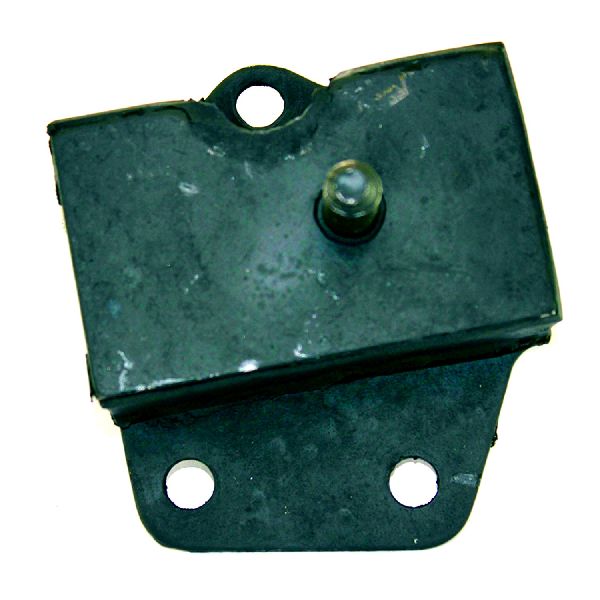
Typically consists of two engine mounts (left and right) and one transmission mount. Mounts are specific to the engine size (e.g., 289/302/351W V8, 390/428/429 V8, or 6-cylinder). Made of steel and vulcanized rubber.
We Have This Part in Stock


The information in this article is provided for general reference and educational purposes only. Vehicle specifications, procedures, and part compatibility can vary by production date, trim level, and region. Always consult your vehicle's factory service manual and verify part numbers before purchasing or performing repairs. Safety-critical components such as airbags, seat belts, and braking systems should be installed by a qualified professional.
- 🎬 Helpful Videos
- 🛍️ Shop This Part
- Is Your Ranchero Shaking or Making Clunking Noises? It Could Be the Engine Mounts.
- Don't Ignore a Bad Engine Mount
- Choosing the Right Aftermarket Mounts for Your Classic Ranchero
- Pro Tip: Check Your Engine and Mount Style
- Cost to Replace 1967-1971 Ford Ranchero Engine Mounts
- Frequently Asked Questions
- 🎟️ Get 5% Off