

Ford Thunderbird Steering Tie Rod End Guide (1967-1971)
Fix your Thunderbird's loose steering and wandering with the right new tie rod ends.
- Sloppy steering, clunking noises, and uneven tire wear are the most common symptoms of bad tie rod ends on a '67-'71 Thunderbird.
- An alignment is absolutely required after replacement to prevent tire damage and ensure safe handling.
- For best results and longevity, choose premium aftermarket brands like Moog or Delphi.
- No specific recalls or TSBs exist for this issue; failures are due to age and normal wear on a classic car.
Is Your Thunderbird's Steering Feeling Sloppy?
If your 1967-1971 Thunderbird wanders on the road or the steering wheel feels loose, worn tie rod ends are a likely cause. These parts are essential for safe, precise steering. When they wear out, the ball-and-socket joint becomes loose, creating play in the steering system. This isn't just annoying; it's a safety issue that can lead to a complete loss of steering control in a worst-case scenario. Because these are classic cars, wear and tear is the most common reason for failure.
Symptoms of a Bad Tie Rod End
Watch for these common signs of failure on your Thunderbird:
- Loose or Shaky Steering: A feeling of excessive play in the steering wheel, where you can move it back and forth without the wheels responding immediately.
- Vibrating Steering Wheel: A shimmy or vibration that you can feel in the steering wheel, which often gets worse at higher speeds.
- Clunking or Popping Noises: You might hear a distinct clunk or pop from the front end when turning at low speeds, like when parking. This is the sound of the loose joint moving around.
- Uneven Tire Wear: Worn tie rods throw off the wheel alignment, causing the inside or outside edge of your front tires to wear down much faster than the rest of the tread.
- Vehicle Pulling to One Side: If your car drifts to the left or right when you're trying to drive straight, it's a classic sign of a bad alignment, often caused by a worn tie rod.
A Critical Repair
Do not ignore these symptoms. A tie rod end that fails completely can separate from the wheel, causing a total loss of steering control on that side. It is much safer and ultimately cheaper to replace them at the first sign of trouble.
Choosing the Right Aftermarket Tie Rod End
For a classic car like the 1967-1971 Thunderbird, new OEM (Original Equipment Manufacturer) parts from Ford are virtually impossible to find. The aftermarket is your primary source for replacements. Quality can vary, so it's important to choose a reputable brand. Here’s a breakdown of the available options.
Brand Quality Tiers
- Premium Brands (Moog, Delphi): These brands are widely respected and often considered equivalent to or better than original quality. Moog, in particular, is a long-standing favorite for American cars and is known for its durable "Problem Solver" line. Delphi is also a top-tier supplier known for OE-level quality. For a car you plan to drive and enjoy, these brands are a solid investment.
- Mid-Range Brands (Mevotech): Mevotech offers a good balance of quality and price. They are a popular choice for daily drivers and are generally considered a step up from entry-level parts. They provide a dependable repair without the premium price tag.
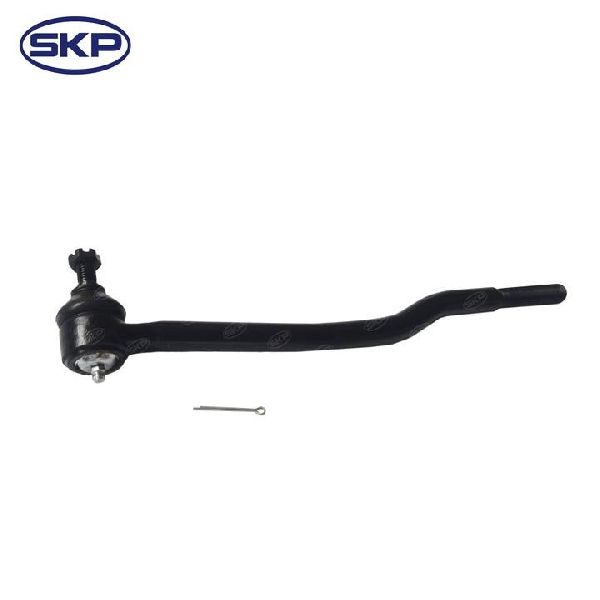
- Economy Brands (Skyward): Skyward, which sells under the SKP brand, is a budget-friendly option. While they state their parts are made to quality standards, they are generally viewed as an economy choice suitable for a car that is driven infrequently or when budget is the primary concern.
Pro Tip: Many professional mechanics prefer to use parts that have a grease fitting (zerk). This allows you to add fresh grease periodically, which can extend the life of the tie rod end. When comparing parts, check if this feature is included.
Cost to Replace Thunderbird Tie Rod Ends
The cost to replace tie rod ends involves the parts, labor, and a mandatory wheel alignment. Replacing both sides at once is recommended.
| Item | Estimated Cost |
|---|---|
| New Aftermarket Tie Rod End (Single) | $32.88 - $70.50 |
| Shop Labor | $100 - $250 |
| Wheel Alignment | $100 - $150 |
| Total (Per Side) | $232 - $470 |
Note: Labor costs can vary based on shop rates and the specific condition of your classic vehicle. Some shops may charge more for working on older cars.
Frequently Asked Questions
Do I need to get an alignment after replacing tie rods?
Yes, absolutely. It is not optional. Replacing a tie rod end will change your vehicle's wheel alignment. Driving without a proper alignment will cause poor handling and will quickly destroy your tires. Plan for the cost of an alignment as part of the job.
Should I replace the inner and outer tie rods at the same time?
Your Thunderbird has both inner and outer tie rod ends. If an outer tie rod end is worn, it's a good idea to inspect the inner one carefully. If you are already paying for labor and an alignment, replacing both at the same time can save you money in the long run.
Can I replace a tie rod end myself?
Yes, this is a job a skilled DIY mechanic can do. You will need a good set of tools, a jack and jack stands, and possibly a special tie rod end puller tool. Remember to count the number of turns it takes to remove the old tie rod end to get the new one close to the correct position before driving it to the alignment shop.
Were there any recalls for the 1967-1971 Thunderbird steering?
Our search of the NHTSA database and other records found no specific recalls or technical service bulletins (TSBs) related to the steering tie rod ends for the 1967-1971 Ford Thunderbird model years. Any issues you experience are likely due to normal wear and tear over the vehicle's long life.
Technical Specifications
The 1967-1971 Ford Thunderbird uses a conventional steering system with inner and outer tie rod ends on each side connecting the steering linkage to the steering knuckles.
We Have This Part in Stock
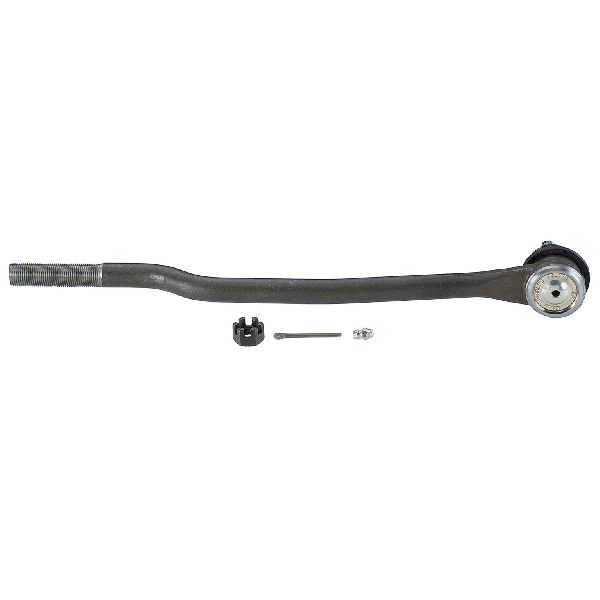
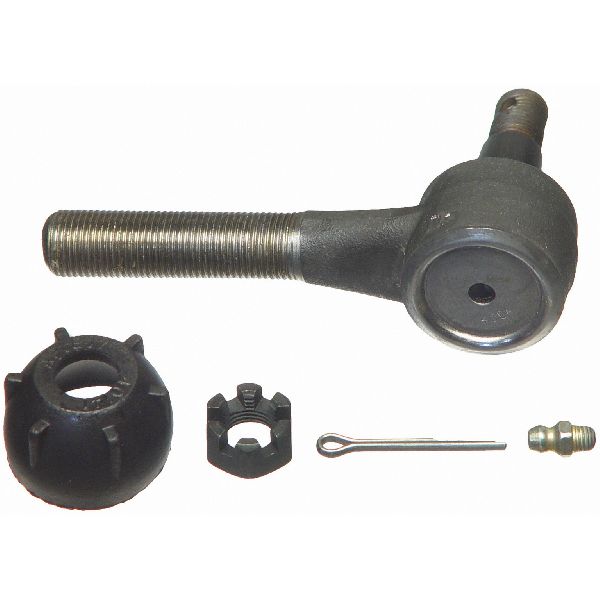
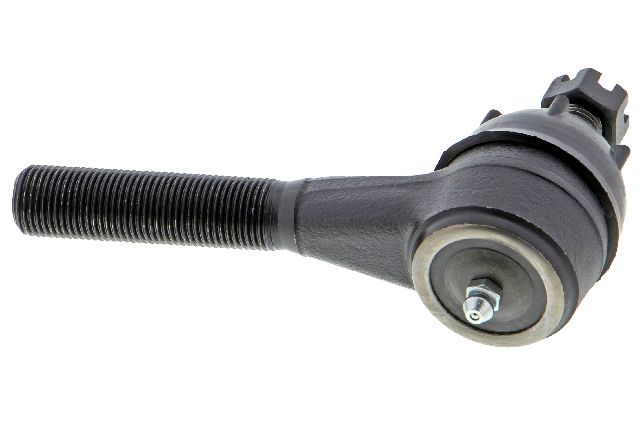
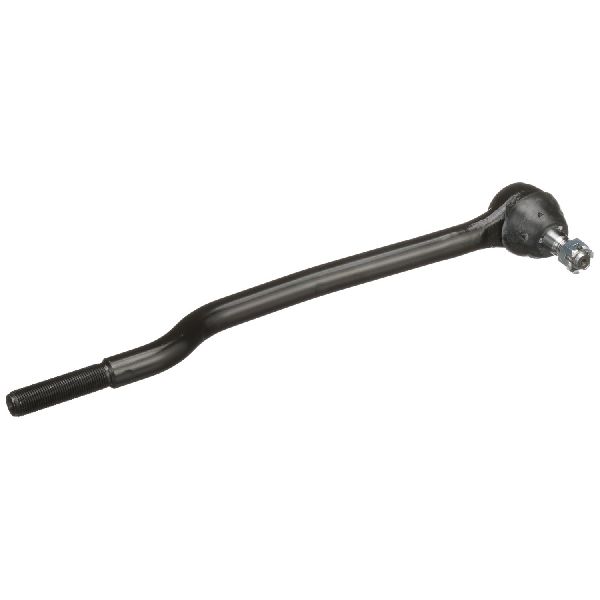

The information in this article is provided for general reference and educational purposes only. Vehicle specifications, procedures, and part compatibility can vary by production date, trim level, and region. Always consult your vehicle's factory service manual and verify part numbers before purchasing or performing repairs. Safety-critical components such as airbags, seat belts, and braking systems should be installed by a qualified professional.