

A Guide to the Starter Motor for the 1967-1971 Mercury Cougar
Don't get stranded by a bad starter; understand the right replacement options for your classic Cougar.
- A common 'click, no crank' symptom often points to the fender-mounted solenoid, not the starter itself. Check this inexpensive part first.
- Heat soak is a frequent problem, especially with big-block engines or headers. Upgrading to a high-torque mini-starter is the most reliable fix.
- Starters for small-block (289/302/351) and big-block (390/428) engines are not interchangeable. You must buy the correct part for your engine.
- Before replacing the starter, always verify the battery is fully charged and all cable connections are clean and tight.
Is Your Cougar's Starter Failing?
A failing starter can give you a few warnings before it leaves you stranded. For classic cars like the 1967-1971 Mercury Cougar, starting problems are common but usually simple to diagnose. Before you blame the starter, always check the simple things first: ensure your battery is fully charged and that all cable connections at the battery, fender solenoid, and engine block are clean and tight. Many starting issues on these cars come from bad grounds or corroded cables.
Common Failure Symptoms:
- Single Loud Click, No Crank: When you turn the key, you hear one solid "CLICK" from the engine bay, but the engine doesn't turn over. This is the most common symptom of a bad fender-mounted starter solenoid, but can also indicate a seized starter motor.
- Slow, Labored Cranking: The engine turns over very slowly, as if the battery is weak. If the battery is good, this points to a starter motor that is worn out and drawing too much power.
- Grinding or Whirring Noise: You may hear a harsh grinding sound when trying to start the car, or a high-pitched spinning noise after the key is released. This often means the starter's drive gear (called a Bendix) is damaged or not properly engaging with the flywheel.
- No Sound at All: If turning the key results in silence, and the battery is known to be good, the problem could be the starter solenoid or the starter motor itself.
- Intermittent Starting: The car starts perfectly one day but refuses to crank the next. This can be a sign of worn internal components in the starter or solenoid.
Known Issue: Starter Heat Soak
A very common problem on classic Cougars, especially those with big-block engines (390, 428) or aftermarket headers, is "heat soak." This happens when the starter gets very hot from the engine and exhaust manifolds. The heat increases electrical resistance inside the starter, preventing it from working until it cools down. The best and most permanent solution for heat soak is to upgrade to a modern, high-torque mini-starter, which is smaller and more resistant to heat. A less expensive option is to install a starter heat shield or wrap.
Choosing the Right Aftermarket Starter
Original Ford starters for these vehicles are no longer available new. Your choice is between a standard replacement (new or remanufactured) or a performance upgrade. For most owners, a modern aftermarket starter is a significant improvement over the original heavy, power-hungry design.
Brand & Quality Tiers
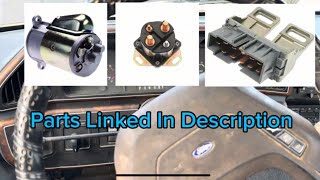
- Tier 1: High-Torque Mini-Starters (Performance Upgrade): Brands like Powermaster offer modern, gear-reduction starters. 🎬 See how a Powermaster high-torque starter and solenoid are installed. These are smaller, lighter, and provide more cranking torque with less battery draw. They are the best choice for cars with higher-compression engines, headers, or for solving heat-soak problems permanently.
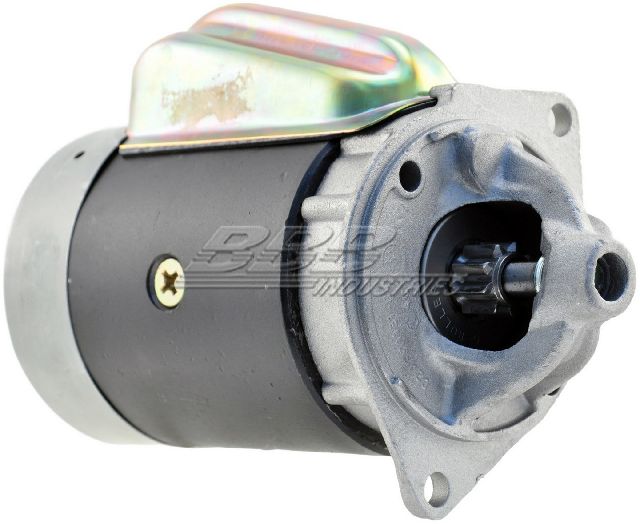
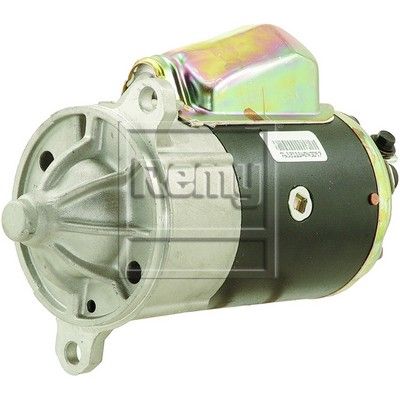
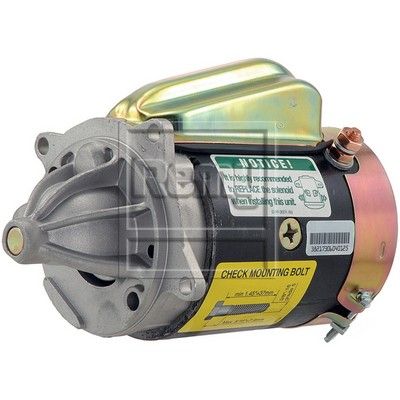
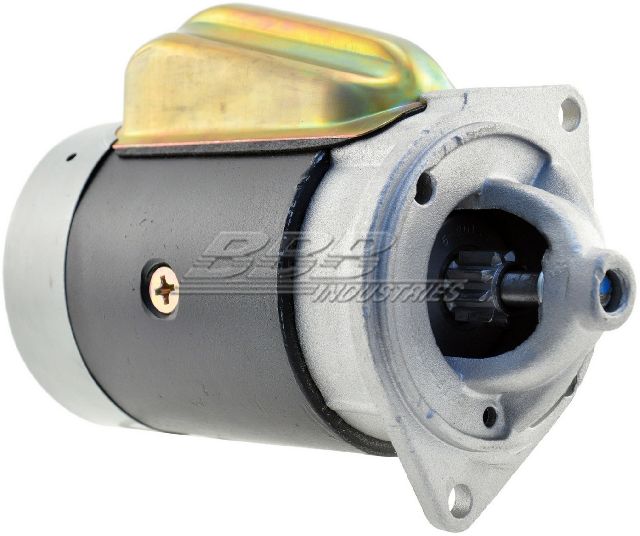
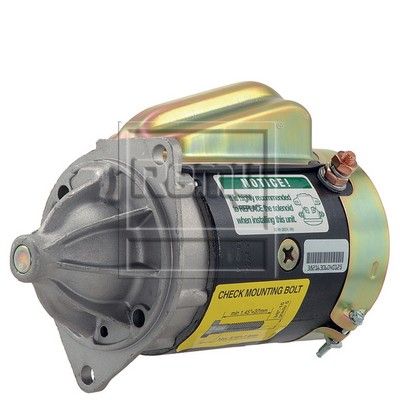
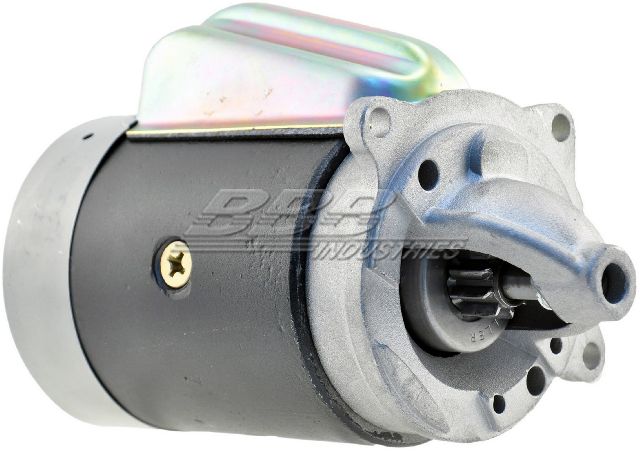
- Tier 2: Standard New & Remanufactured Starters (Standard Replacement): Brands like BBB Industries and Remy offer direct-fit replacements that function like the original part. These are a cost-effective choice for a stock vehicle. While new units are generally reliable, be aware that the quality of remanufactured parts can sometimes be inconsistent, according to owner forums. If choosing a remanufactured part, select one with a good warranty.
Pro Tip: Small-Block vs. Big-Block Starters
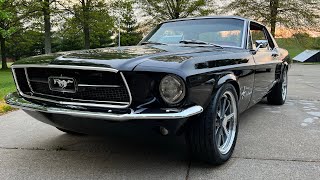
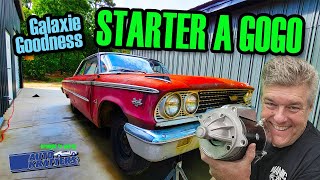
Starters for Ford small-block engines (289, 302, 351W) are different from those for FE big-block engines (390, 427, 428). 🎬 Watch: Upgrading a 390 FE big-block with a modern starter. They are not interchangeable. You must order the correct starter for your specific engine. Additionally, starters for manual and automatic transmissions can differ due to the flywheel/flexplate depth, so always confirm fitment for your exact vehicle configuration.
Typical Replacement Costs
| Part Type | Estimated Cost |
|---|---|
| New Aftermarket Starter | $118.50 - $156.42 |
| Remanufactured Starter | $50 - $120 |
| High-Torque Mini-Starter | $180 - $300+ |
| Shop Labor | $120 - $250 |
Cost estimates are for parts and labor and may vary based on your location and vehicle's condition.
Frequently Asked Questions (FAQ)
What is the difference between the starter and the solenoid?
On a 1967-1971 Cougar, the system has two main components. The starter is the motor on the engine block that does the cranking. The starter solenoid (or relay) is a separate part, usually mounted on the fender, that acts as a heavy-duty switch to send power from the battery to the starter. A "click-no-crank" issue often points to this fender solenoid, which is a cheaper and easier part to replace.
Is replacing the starter a DIY job?
Yes, for someone with moderate mechanical skill, this is a very manageable job. It requires safely raising the front of the vehicle, disconnecting the battery, removing two mounting bolts, and detaching the power cable. 🎬 Watch: Step-by-step guide to replacing a classic Cougar starter. Access can be tight, especially around exhaust headers, but it does not require highly specialized tools.
Should I rebuild my original starter?
If you still have the original Ford starter, having it rebuilt by a local automotive electric shop is an excellent option. This often results in a very high-quality, durable part that is guaranteed to fit correctly. However, finding these specialty rebuild shops is becoming more difficult.
Do I need any special parts to install a new mini-starter?
Sometimes. Modern mini-starters often have the solenoid attached to the starter body, unlike the original remote-solenoid design. This may require a minor wiring change, which is usually well-documented in the starter's instructions. Some high-torque starters are also "clockable," meaning you can rotate the mounting block to get better clearance around exhaust headers.
Helpful Videos
Technical Specifications
OEM Part Numbers: C7WF-11001-A D2AF-11131-CA
Fitment is determined by engine type (Ford small-block vs. FE big-block) and transmission type (manual vs. automatic). Original starters are a direct-drive design with an external, fender-mounted solenoid. Many aftermarket replacements are a more efficient gear-reduction design.
We Have This Part in Stock

The information in this article is provided for general reference and educational purposes only. Vehicle specifications, procedures, and part compatibility can vary by production date, trim level, and region. Always consult your vehicle's factory service manual and verify part numbers before purchasing or performing repairs. Safety-critical components such as airbags, seat belts, and braking systems should be installed by a qualified professional.
- 🎬 Helpful Videos
- 🛍️ Shop This Part
- Is Your Cougar's Starter Failing?
- Common Failure Symptoms:
- Known Issue: Starter Heat Soak
- Choosing the Right Aftermarket Starter
- Brand & Quality Tiers
- Pro Tip: Small-Block vs. Big-Block Starters
- Typical Replacement Costs
- Frequently Asked Questions (FAQ)
- 🎟️ Get 5% Off