

Engine Water Pump Guide for the 1967-1971 Pontiac Firebird
Keep your classic Firebird's V8 or OHC-6 engine cool by choosing the correct replacement water pump.
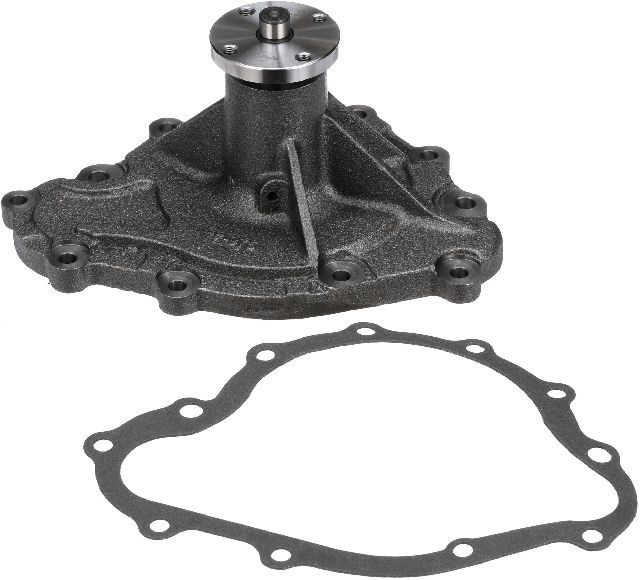
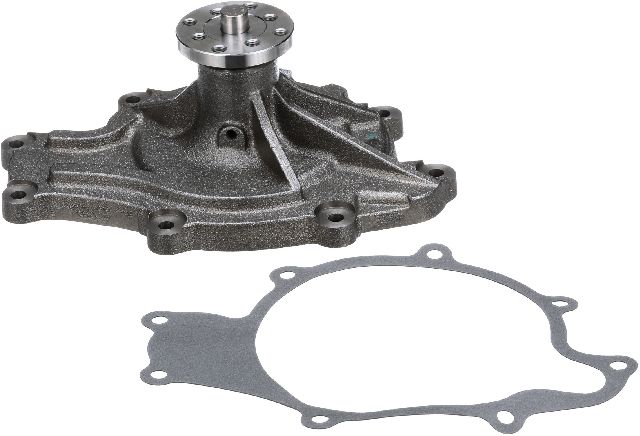
- Verify if your V8 engine needs an 8-bolt (1967-68) or 11-bolt (1969-71) pump before ordering.
- For 1969 models, measure your pump's height (4" or 4.5") to ensure correct pulley alignment.
- A coolant leak from the weep hole under the pump shaft means the internal seal has failed and replacement is needed immediately.
- Consider performance brands like Edelbrock for modified engines, as they offer better cooling with cast impellers.
Symptoms of a Failing Water Pump
A bad water pump will give you clear warning signs. Ignoring them can lead to expensive engine repairs. Be on the lookout for:
- Coolant Leaks: Puddles of green, orange, or pink fluid under the front of your engine are a major red flag. Leaks often come from a small hole on the bottom of the pump called a "weep hole." This hole is designed to leak when the internal seal fails.
- Engine Overheating: If your temperature gauge climbs into the red, the water pump may not be circulating coolant effectively. This is the most serious symptom.
- Whining or Grinding Noises: A high-pitched whine or a rough grinding sound from the front of the engine can indicate a failing water pump bearing. The noise may change with engine speed.
- Wobbly Pulley: If you can see the water pump pulley wobbling while the engine is running, or if you can physically wiggle it when the engine is off, the bearing is shot.
The Most Common Ordering Mistake: Know Your Pump!
For Pontiac V8 engines, the single most important detail is the difference between the early and late style water pumps used during this period. Ordering the wrong one will cause major pulley alignment issues.
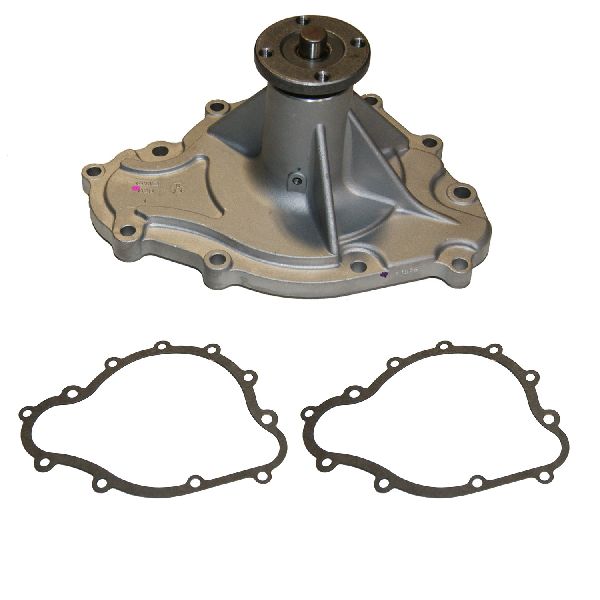
- 1967-1968 Models: These years use an 8-bolt water pump that attaches to the timing cover. 🎬 Watch: Step-by-step installation for 8-bolt pumps on 1968 and older engines.
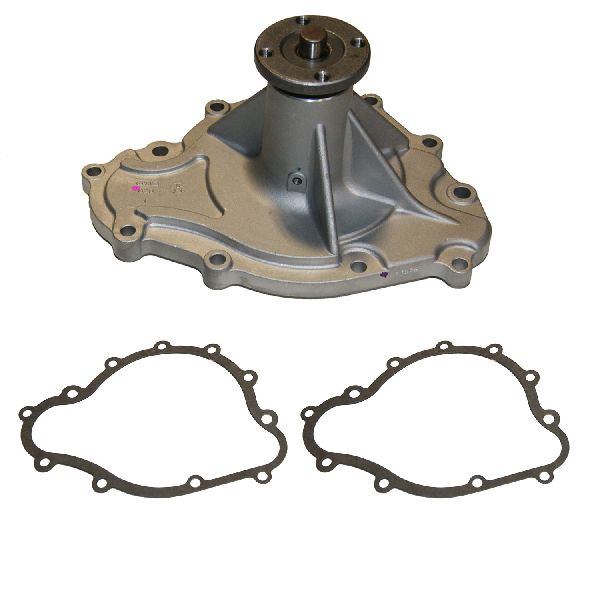
- 1969-1971 Models: These years use an 11-bolt water pump. The 11-bolt design is generally considered to be more efficient.
Crucial 1969 Detail: 1969 was a transition year. Early 1969 models may have a 4-inch tall 11-bolt pump, while mid-1969 and later models use a 4.5-inch tall pump. You must measure your old pump or know your engine's specific build date to ensure you get the correct replacement and matching pulleys.
Choosing the Right Aftermarket Water Pump
Since New Old Stock (NOS) GM parts are extremely rare and expensive, the aftermarket is the go-to source for a new water pump. Quality can vary, but many aftermarket brands meet or exceed original specifications. They generally fall into two categories:
Standard Replacement Pumps
Brands: Gates, Dayco, GMB, US Motor Works
These pumps are designed as direct, OE-style replacements perfect for stock or mildly restored Firebirds. They are affordable and widely available. Gates and Dayco are well-respected names in cooling system components. GMB is a common OE supplier for many car companies and offers a good balance of quality and price. While most are reliable, some owners in forums report occasional premature failures with budget-tier brands.
Performance & High-Volume Pumps
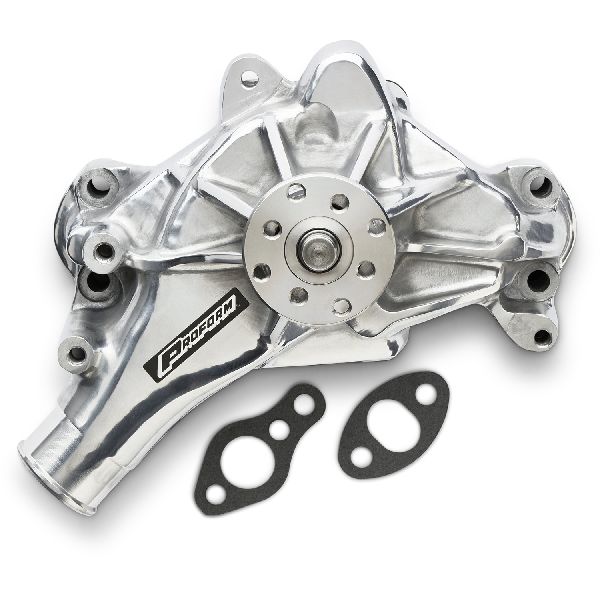
Brands: Edelbrock, Proform, PRW
For modified engines or those with cooling challenges, a high-volume pump is a smart upgrade. Brands like Edelbrock are known for high-quality castings and improved impeller designs that move more coolant, especially at low RPM. These pumps often feature cast iron or machined impellers, which are more durable and efficient than the stamped steel impellers found on some standard replacements. While more expensive, they provide peace of mind for high-performance applications.
| Part Type | Estimated Cost |
|---|---|
| New Aftermarket (Standard) | $45 - $95 |
| New Aftermarket (High-Volume) | $100 - $180 |
| Shop Labor | $200 - $450 |
Pro Tip: Replace More Than Just the Pump
Since you have to drain the cooling system and remove belts anyway, it's highly recommended to replace the thermostat, radiator hoses, heater hoses, and fan clutch at the same time. This is cheap insurance against future cooling system failures.
🎬 See this pro tip for preventing overheating during your pump replacement.Frequently Asked Questions
Do I need to use sealant on the gaskets?
Only use sealant if the pump instructions specifically call for it. Most modern gaskets are designed to be installed clean and dry. Applying extra sealant can cause it to squeeze into the cooling system, where it can clog passages or damage the new pump's internal seal.
What is the difference between a cast and stamped impeller?
A cast iron impeller is thicker, more rigid, and often has a more efficient vane design than a stamped steel impeller. This allows it to move coolant more effectively and resist cavitation (the formation of air bubbles) at high RPM. While a good quality stamped impeller pump is fine for a stock engine, performance builds benefit from a cast impeller.
🎬 Watch: How to install a high-flow pump with a cast impeller.How do I know if I have an 8-bolt or 11-bolt pump?
You must count the number of bolts that attach the water pump to the timing chain cover. Generally, 1967 and 1968 Firebird V8s use the 8-bolt pump, while 1969, 1970, and 1971 models use the 11-bolt version. If your engine has been swapped, it's critical to verify what you have before ordering.
Are there any recalls on the 1967-1971 Firebird water pump?
No, there are no official NHTSA recalls for the engine water pump on the 1967-1971 Pontiac Firebird. Any failures are due to age and normal wear and tear.
Helpful Videos
Technical Specifications
OEM Part Numbers: 9798851
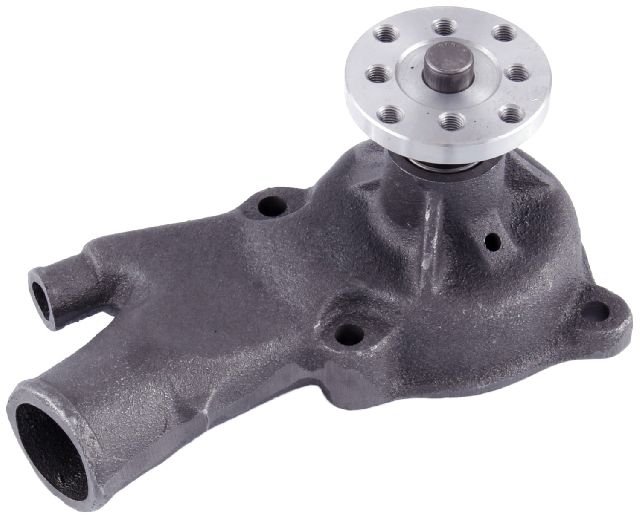
Configuration: V8 models use either an 8-bolt (1967-1968) or 11-bolt (1969-1971) design. The 1969 11-bolt pump has two possible hub heights: 4 inches (early '69) and 4.5 inches (late '69 and on). The OHC-6 engine uses a different pump entirely. Impeller type can be stamped steel or cast iron.
We Have This Part in Stock

The information in this article is provided for general reference and educational purposes only. Vehicle specifications, procedures, and part compatibility can vary by production date, trim level, and region. Always consult your vehicle's factory service manual and verify part numbers before purchasing or performing repairs. Safety-critical components such as airbags, seat belts, and braking systems should be installed by a qualified professional.
- 🎬 Helpful Videos
- 🛍️ Shop This Part
- Symptoms of a Failing Water Pump
- The Most Common Ordering Mistake: Know Your Pump!
- Choosing the Right Aftermarket Water Pump
- Standard Replacement Pumps
- Performance & High-Volume Pumps
- Pro Tip: Replace More Than Just the Pump
- Frequently Asked Questions
- 🎟️ Get 5% Off