

Choosing the Right Spark Plug Wire Set for Your 1967-1971 Pontiac Firebird
Get the spark back in your classic Firebird with the right set of ignition wires.
- Always choose a wire set specifically for your Firebird's engine (inline-6 or V8) to ensure proper length and fit.
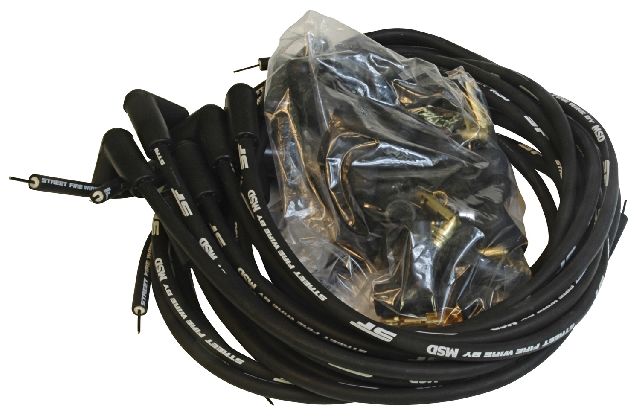
- Performance brands like MSD, Taylor, and Accel are highly regarded in the Pontiac community for their durability and low resistance.
- Upgrading from original-style carbon core wires to modern spiral core wires will provide a stronger spark and better RFI suppression.
- Replacing wires is a simple DIY job; just replace them one at a time to maintain the correct firing order.
Signs of Failing Spark Plug Wires
Worn-out spark plug wires can cause a variety of noticeable problems in your Firebird. Since the wires are responsible for delivering the spark, any failure can directly impact how the engine runs. If you experience any of these symptoms, it's a good idea to inspect your wires.
Common Failure Symptoms
- Rough Idle: The engine may shake or vibrate more than usual when stopped because cylinders aren't firing consistently.
- Engine Misfires: You might feel a jerking or stumbling sensation while driving. A misfire means a cylinder failed to ignite, often due to a weak or missing spark.
- Hesitation During Acceleration: When you press the gas, the car may hesitate or feel sluggish before picking up speed.
- Reduced Power and Fuel Economy: Inefficient combustion means your engine is producing less power and using more fuel.
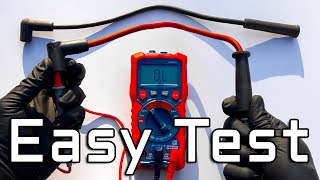
- Visible Damage: Check the wires for cracks, melting, or burn marks, especially where they come close to hot exhaust manifolds. You may even see a blue spark arcing from a damaged wire to a metal part of the engine in the dark, which is a sure sign of a bad wire. 🎬 Watch this guide to learn three ways to test your wires.
Choosing the Right Aftermarket Wires
For a 1967-1971 Firebird, original equipment (OEM) wires are essentially unavailable. The aftermarket is your primary source, offering a wide range of options from stock-style replacements to high-performance upgrades. The key is to choose a set that matches your engine and how you use your car.
Key Considerations
- Engine Type: Your Firebird could have an inline-6 or one of several V8s (326, 350, 400, 455). Each engine requires a specific wire set with the correct lengths and boot angles. Always verify the set is for your exact engine.
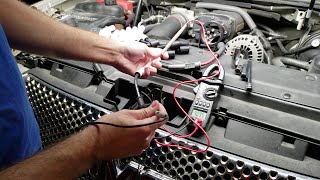
- Wire Core: Original wires used a carbon core, which has high electrical resistance and breaks down over time. Modern aftermarket wires often use a spiral core, which has much lower resistance (e.g., 40-500 ohms per foot) for a stronger spark and better radio frequency interference (RFI) suppression 🎬 See a resistance comparison between MSD and Accel performance wires. to prevent static in your radio.
- Diameter: Wires come in different diameters, like 7mm, 8mm, or 8.5mm. While original wires were typically 7mm, a slightly thicker wire like 8mm or 8.5mm provides better insulation, protecting against heat and voltage leaks.
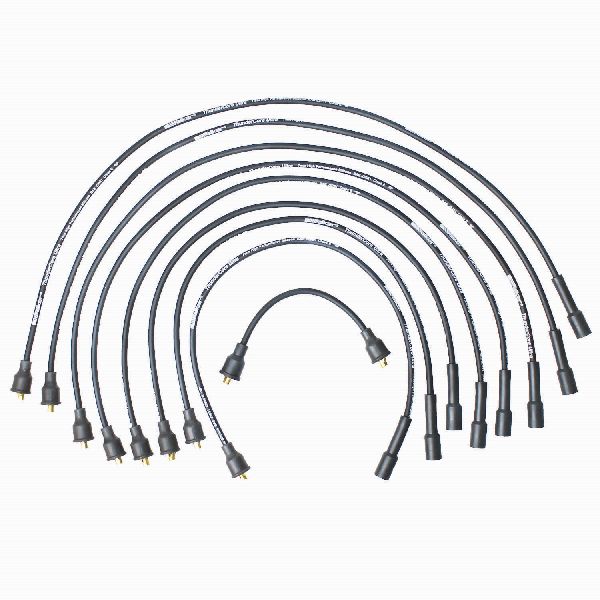
- Fitment: You can buy "custom-fit" sets that are pre-cut and ready to install, or "universal" sets that you cut to your desired length. Universal sets are great for custom engine bays but require more work and a special crimping tool.
Brand Tiers for Your Firebird
Based on owner feedback and performance in the classic Pontiac community, brands can be grouped into tiers:
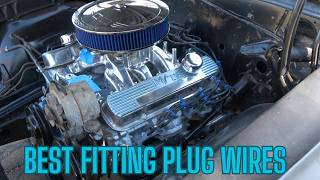
- High-Performance (MSD, Taylor, Accel): These brands are very popular among Firebird enthusiasts for their quality and performance. MSD Super Conductor wires are known for extremely low resistance, while Taylor and Accel are praised for durability and heat resistance. These are excellent choices for modified engines or for owners wanting maximum reliability and spark energy. 🎬 Check out this video on the best wires for Pontiac engines.
- Quality Replacement (NGK, Denso, Standard Wires): These brands offer dependable, quality wires that are a significant upgrade over old, worn-out stock wires. They provide a good balance of performance and value for daily drivers or stock restorations.
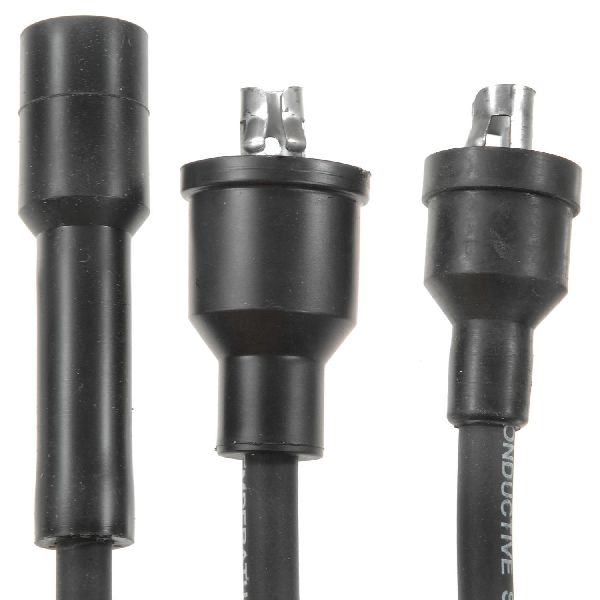
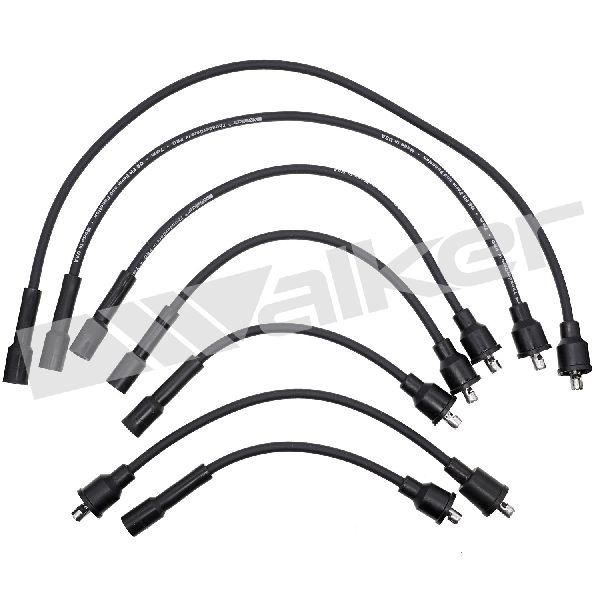
- Universal/Value (Walker Products, various store brands): These can be a budget-friendly option, but quality can be inconsistent. It's important to check reviews and ensure the specifications meet your engine's needs.
Pro Tip: Check the Boots
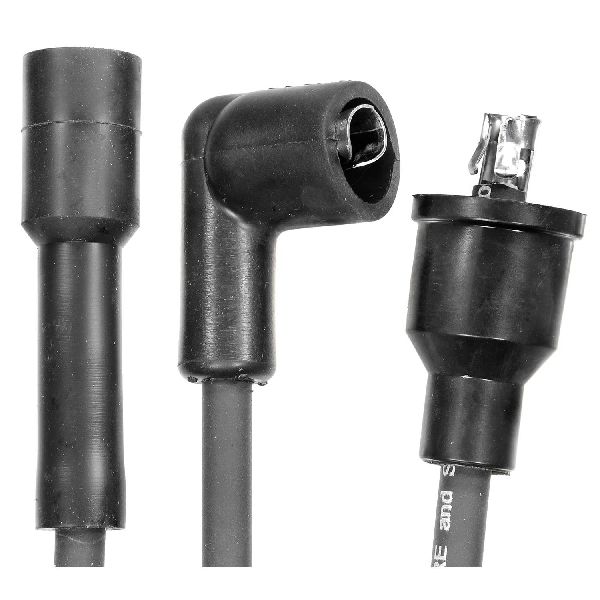
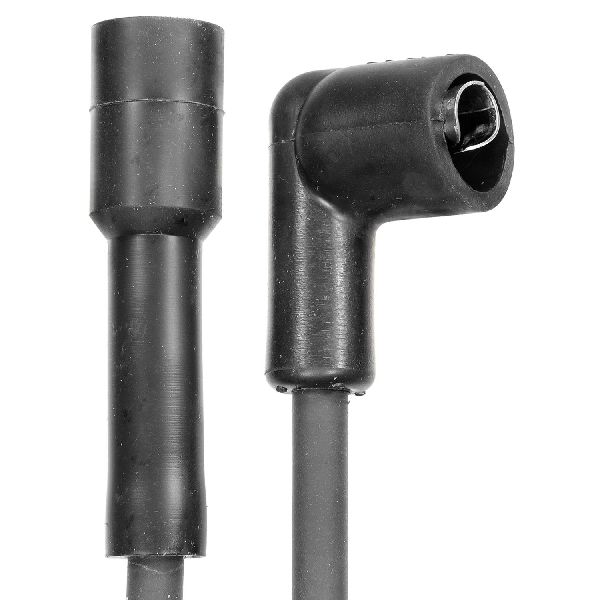
Pay attention to the spark plug boot angle. Pontiac V8s often require a mix of straight and angled boots for proper clearance around the exhaust manifolds. Many performance sets offer 90-degree or 135-degree boots that can be bent to fit perfectly, avoiding contact with hot surfaces.
Cost to Replace Spark Plug Wires
| Category | Price Range |
|---|---|
| New Aftermarket (Value) | $25 - $50 |
| New Aftermarket (Performance) | $50 - $180 |
| Shop Labor | $75 - $150 |
Frequently Asked Questions
Do I need special tools to replace my spark plug wires?
For a pre-cut set, you typically only need basic hand tools. A spark plug wire puller can help remove stubborn boots without damaging them. If you buy a universal set, you will also need a wire stripping and crimping tool to attach the distributor cap terminals.
How do I make sure I don't mix up the wires?
The best method is to replace one wire at a time. Remove one old wire, match its length to a new one, and install the new wire in the same location on the distributor cap and spark plug. This ensures you maintain the correct firing order.
What's the difference between 8mm and 8.5mm wires?
The main difference is the thickness of the outer insulation. A thicker wire like an 8.5mm offers more protection against heat and voltage arcing compared to a standard 7mm or 8mm wire. This is beneficial in the tight, hot engine bay of a Pontiac V8.
Are there any recalls for 1967-1971 Firebird spark plug wires?
No. There are no recalls or technical service bulletins (TSBs) from the NHTSA related to spark plug wires for the 1967-1971 Pontiac Firebird. Any issues you experience are due to the age and wear of the components.
Helpful Videos
Technical Specifications
Core Type: Spiral Wound (recommended) or Carbon Core Diameter: 7mm (stock) to 8.5mm (performance) Boot Material: Silicone Boot Angle: Varies by engine, often requires a mix of straight, 45-degree, and 90-degree boots.
We Have This Part in Stock

The information in this article is provided for general reference and educational purposes only. Vehicle specifications, procedures, and part compatibility can vary by production date, trim level, and region. Always consult your vehicle's factory service manual and verify part numbers before purchasing or performing repairs. Safety-critical components such as airbags, seat belts, and braking systems should be installed by a qualified professional.