

Engine Oil Pressure Switch Guide for 1967-1972 Mercury Comet
Keep your classic Comet's engine safe by understanding its most important sensor.
- First, determine if your Comet has a warning light (needs a 'switch') or a gauge (needs a 'sending unit'). This is the most critical step.
- A flickering oil light with a full oil level is the top symptom of a failing switch.
- Replacement is a simple DIY job, typically located on the driver's side of the engine block near the oil filter.
- Always verify a low-pressure warning with a mechanical gauge before assuming the sensor is the only problem.
Is It a Switch or a Sending Unit?
Before buying a replacement part for your 1967-1972 Comet, you must know if your car has a simple warning light or a full oil pressure gauge on the dashboard. This is the most common ordering mistake. Most Comets came with a warning light, but some higher-trim models or those with optional instrument packages had a gauge.
- Warning Light = Oil Pressure Switch: This is a simple on/off switch. It completes a circuit to turn on the 'OIL' light when pressure is too low.
- Pressure Gauge = Oil Pressure Sending Unit: This is a more complex sensor. It sends a variable electrical signal to the dashboard gauge to show the actual pressure reading.
A switch will not work with a gauge, and a sending unit will not work correctly with a warning light. You must order the correct part for your car's dashboard setup.
Symptoms of a Failing Oil Pressure Switch
A bad oil pressure switch can create confusing and alarming symptoms. Since the part is inexpensive, it's often the first thing to replace when troubleshooting oil pressure warnings.
- Flickering or Solid Oil Warning Light: This is the most common symptom. If your engine oil level is correct but the oil light on the dash is on or flickers, the switch itself is likely faulty.
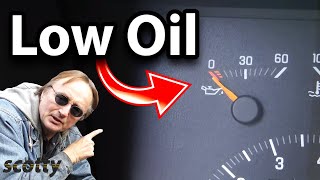
- Gauge Reads Zero or is Maxed Out: For Comets with a gauge, a bad sending unit can cause the needle to stay at zero or peg itself at the maximum reading, even when the engine is off. 🎬 Learn how to fix a faulty oil pressure gauge reading.
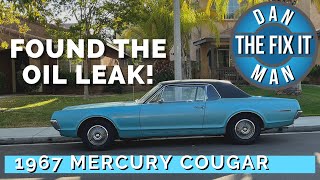
- Visible Oil Leak: These switches and senders can fail internally and leak oil. A leak may appear at the seam of the sensor body or from the electrical connection. 🎬 See how a leaking sending unit looks on a classic Mercury.
Important: Verify Actual Oil Pressure
Never assume a warning light or strange gauge reading is just a bad sensor. Always check your oil level first. If the level is good, it's wise to have a mechanic test the engine's actual oil pressure with a mechanical gauge. Driving with genuinely low oil pressure can destroy your engine quickly.
Choosing the Right Aftermarket Part
For a classic car like the 1967-1972 Mercury Comet, new OEM (Original Equipment Manufacturer) parts are no longer available from dealers. You will be choosing from new aftermarket brands. The two main brands available are Standard Motor Products (SMP) and Rostra.
Brand Quality
- Standard Motor Products (SMP): SMP is a long-standing, well-regarded brand in the aftermarket. They have a reputation for producing quality electrical components that often meet or exceed original specifications. Many classic car owners and mechanics trust SMP for replacement sensors.
- Rostra Powertrain: Rostra is another established aftermarket manufacturer, known for a wide range of automotive electronics and components.
For a critical part like an oil pressure sensor, choosing a reputable brand like Standard Motor Products is a reliable choice. While issues can occur with any brand, forum discussions among classic car owners often show a preference for established names when it comes to engine sensors.
Common Ordering Mistakes
- Switch vs. Sender: As mentioned, ordering a switch for a gauge-equipped car or a sender for a light-equipped car is the top mistake.
- Electrical Connector: Ford used different electrical connectors during this period. Some early models may use a spade-style connector, while later ones use a threaded stud. Always compare the new part's connector to your old one before installation.
- Physical Size & Clearance: Some aftermarket senders can be physically larger than the original. On engines like the 302 V8, the sender is located near the oil filter and fuel pump. A bulky replacement may not fit without an extension piece.
| Brand | Part Type | Estimated Price |
|---|---|---|
| Standard Ignition / Rostra Powertrain | Switch (for Warning Light) | $7 - $15 |
| Standard Ignition / Rostra Powertrain | Sending Unit (for Gauge) | $15 - $36 |
Frequently Asked Questions (FAQ)
Where is the oil pressure switch located on a 1967-1972 Comet?
The oil pressure switch or sending unit is screwed directly into the engine block. Its specific location varies by engine (inline-six or V8), but it is almost always found on the driver's side of the engine, down low near the oil filter and fuel pump.
Can I replace the oil pressure switch myself?
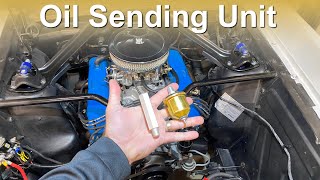
Yes, this is a very easy job for a DIY mechanic. It typically requires only basic hand tools, such as a wrench or a special oil pressure switch socket. The process involves disconnecting the wire, unscrewing the old switch, and screwing in the new one. 🎬 Watch a quick demonstration of replacing the oil sending unit. A small amount of oil will drip out, so have a rag ready.
Do I need to use thread sealant or Teflon tape?
This is debated among mechanics. Some aftermarket switches come with sealant already on the threads. If not, a small amount of thread sealant designed for sensors is recommended to prevent leaks. Avoid using too much Teflon tape, as it can interfere with the electrical ground connection that the switch needs through the engine block to function correctly.
Are there any recalls for the oil pressure switch on the Mercury Comet?
No, there are no specific recalls or Technical Service Bulletins (TSBs) related to the engine oil pressure switch for the 1967-1972 Mercury Comet. The main recall for this vehicle generation concerned the fuel tank in rear-end collisions.
Helpful Videos
Technical Specifications
OEM Part Numbers: C8AZ-9278-A D4AZ-9278-A
Varies by application (warning light vs. gauge). Thread size is typically 1/4" NPT. Electrical connection can be a spade terminal or a threaded stud.
We Have This Part in Stock


The information in this article is provided for general reference and educational purposes only. Vehicle specifications, procedures, and part compatibility can vary by production date, trim level, and region. Always consult your vehicle's factory service manual and verify part numbers before purchasing or performing repairs. Safety-critical components such as airbags, seat belts, and braking systems should be installed by a qualified professional.