

1967-1973 Cadillac DeVille Radiator Coolant Hose: A Guide
Keep your classic DeVille's big V8 engine cool by understanding when and why to replace your radiator hoses.
- Radiator hoses on a classic DeVille fail primarily due to age. Inspect them regularly for cracks, swelling, and leaks.
- A bad hose can cause rapid overheating and critical engine damage; do not drive if you suspect a major leak or hose failure.
- Choose high-quality aftermarket molded hoses from brands like Gates or Dayco; they are reliable and readily available.
- Always replace hoses and clamps as a set for peace of mind and to ensure a complete repair.
Signs of a Failing Radiator Hose
For a classic car like the 1967-1973 Cadillac DeVille, the radiator hoses are wear items that need regular inspection. Age and heat cycles are the primary cause of failure. Here’s what to look for:
- Visible Damage: Look for cracks, splits, or holes on the hose surface. Any visible damage means the hose is compromised and needs immediate replacement.
- Bulging or Swelling: If a section of the hose looks swollen or ballooned, it means the internal layers are failing. This is a critical warning sign, as the hose could burst at any moment. Oil contamination from engine leaks can also cause the rubber to swell and degrade.
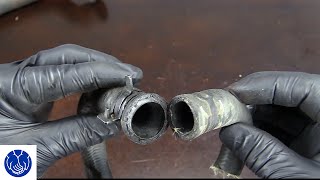
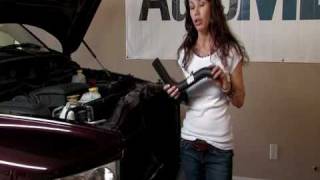
- Spongy or Hard Feel: When the engine is cold, squeeze the hoses. They should feel firm but flexible. If a hose feels mushy, spongy, or rock-hard and crunchy, its internal structure has deteriorated. 🎬 Watch: A quick guide on how to inspect your hoses
- Coolant Leaks: Puddles of green or yellow sweet-smelling fluid under your car are a clear sign of a leak. Check the hose connections at the radiator and engine. You might see stains, moisture, or a crusty residue where coolant has been seeping out.
- Engine Overheating: A failing hose can leak coolant, leading to low coolant levels and an overheating engine. A collapsed hose can also restrict coolant flow, causing the temperature gauge to climb quickly.
Don't Ignore the Signs
A failed radiator hose can cause your DeVille's engine to overheat rapidly, leading to severe and expensive damage like a blown head gasket. Regular inspection is the best prevention.
Choosing the Right Aftermarket Hose
For a vehicle from this era, finding New Old Stock (NOS) OEM hoses is nearly impossible and often impractical, as even unused rubber degrades over decades. Modern aftermarket hoses from reputable brands are the best choice for reliability and performance.
The two main brands you will find are Gates and Dayco. Both are well-respected manufacturers that supply parts to automakers.
- Gates: Often considered a top-tier brand by many mechanics. Forum discussions frequently mention that Gates hoses have a substantial feel and excellent fitment.
- Dayco: A solid and reliable option. Some users find Dayco hoses to be slightly thicker and a good value.
Pro Tip: Both Gates and Dayco are excellent choices. The most important factor is getting the correct molded hose for your specific year and engine. Universal or "cut-to-fit" hoses are not recommended, as kinks can restrict coolant flow. Always replace the hose clamps when you replace the hoses.
Cost of Replacement Parts
| Part | Estimated Cost |
|---|---|
| New Aftermarket Radiator Hose (Dayco, Gates) | $21.28 - $62.72 |
Frequently Asked Questions (FAQ)
How often should I replace my radiator hoses?
For a classic car that is driven regularly, it's a good practice to replace the radiator hoses every 4 to 5 years as preventative maintenance, regardless of their appearance. If the car sits for long periods, the rubber can still degrade.
Should I replace both the upper and lower hoses at the same time?
Yes. If one hose is showing signs of age, the other is likely in similar condition. Replacing both at the same time is smart preventative maintenance and ensures the entire system is fresh.
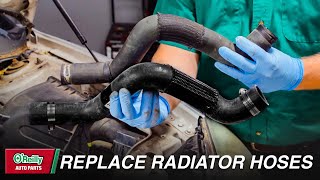
🎬 See this walkthrough on replacing upper and lower radiator hosesWhat type of coolant should I use in my 1967-1973 DeVille?
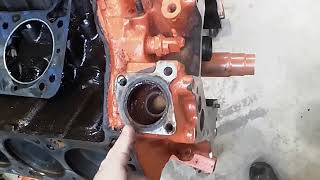
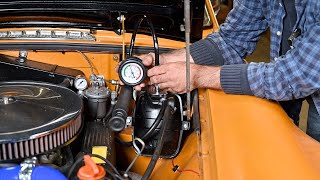
These classic Cadillacs originally used a conventional "green" ethylene glycol-based coolant. It is important to use a coolant that is safe for the copper and brass components 🎬 Watch: Expert analysis and testing for classic car cooling systems in your original radiator. Always consult a service manual for your specific year for capacity and specifications.
Are there any recalls for radiator hoses on this car?
No. Searches of the National Highway Traffic Safety Administration (NHTSA) database did not show any recalls specifically for radiator coolant hoses for the 1967-1973 Cadillac DeVille. Any recalls from that era would likely have been for different issues.
Helpful Videos
Technical Specifications
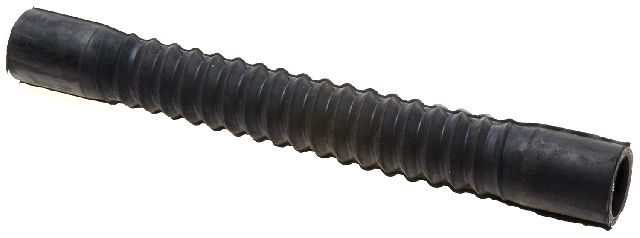
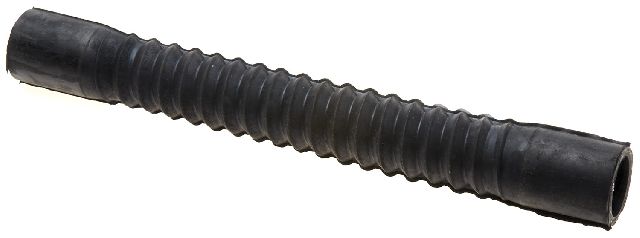
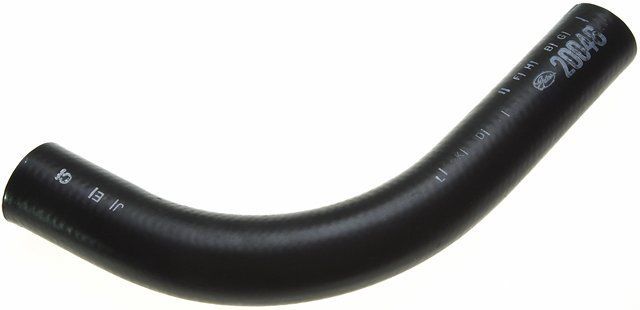
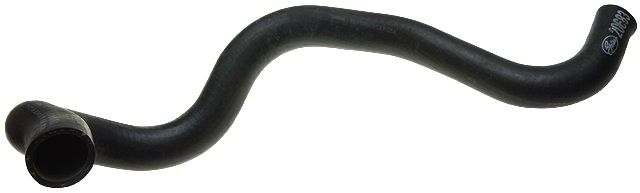
Material: EPDM (Ethylene Propylene Diene Monomer) Rubber. Type: Molded (vehicle-specific shape). Includes upper and lower hoses.
We Have This Part in Stock

The information in this article is provided for general reference and educational purposes only. Vehicle specifications, procedures, and part compatibility can vary by production date, trim level, and region. Always consult your vehicle's factory service manual and verify part numbers before purchasing or performing repairs. Safety-critical components such as airbags, seat belts, and braking systems should be installed by a qualified professional.