

1967-1973 Mercury Cougar Drum Brake Hardware Kit: A Mechanic's Guide
Don't let worn-out springs and clips compromise the stopping power of your classic Cougar.
- Always replace the drum brake hardware kit when replacing brake shoes to ensure safety and proper function.
- Symptoms of failure include scraping noises, a weak parking brake, and brake drag.
- Verify your Cougar's specific drum size (e.g., 10x1.75" or 10x2") before ordering a kit.
- All available brands like Raybestos, Centric, and Dorman are reputable aftermarket choices for this vehicle.
Signs of Failing Drum Brake Hardware
On a 1967-1973 Mercury Cougar, the drum brake hardware is constantly under tension and exposed to heat. Over 50+ years, these metal parts fatigue, rust, and break. Ignoring them can lead to noise, poor performance, and even brake failure. Watch for these clear symptoms:
- Scraping or Rattling Noises: A common sign of a broken or weak return spring is a metallic scraping or rattling sound from the rear wheels, especially at low speeds. This happens when a spring can no longer hold a brake shoe in place, allowing it to drag against the drum.
- Ineffective Parking Brake: The parking brake on your Cougar relies on the drum brake system. If the hardware is weak or the self-adjuster components are seized, the parking brake may not hold the car securely, or the handle may pull up much farther than usual.
- Spongy or Long-Travel Brake Pedal: If a spring breaks, a shoe can shift out of its normal position. This can create extra space that has to be taken up before the brakes engage, leading to a pedal that feels soft or travels too far to the floor.
- Brake Drag or Pulling: Weak or broken return springs may fail to pull the brake shoes fully away from the drum after you release the pedal. This causes the brakes to drag, which generates excessive heat and can make the car pull to one side.
A Note on Noises
Sometimes, a scraping noise can be caused by a heavy ridge of rust on the edge of the brake drum rubbing against the backing plate, which can be mistaken for bad hardware. A thorough inspection is needed to confirm the cause.
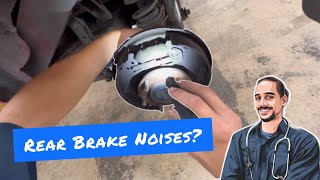
🎬 Watch this video to see how to inspect rear brake noises.Choosing the Right Aftermarket Hardware Kit
Original Ford hardware kits for a classic Cougar are no longer produced. The entire market consists of new aftermarket parts, which are readily available and affordable. For a stock vehicle, most reputable aftermarket brands will provide safe, reliable performance. The key is to replace the hardware every time you replace your brake shoes.
Brand Quality Tiers
The brands available for your Cougar are all established names in the aftermarket. They generally fall into a standard quality tier that is perfectly suitable for normal driving.
- Standard Replacement (Good): Brands like Raybestos, Centric, Carlson, and Dorman are the workhorses of the repair industry. They manufacture parts to meet or exceed original specifications. Kits from these brands will restore original performance and are trusted by professional mechanics. You can't go wrong choosing any of them for a daily driver or weekend cruiser.
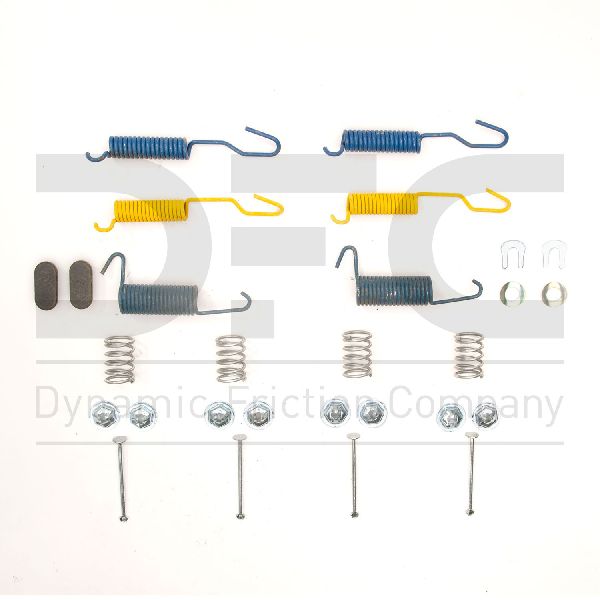
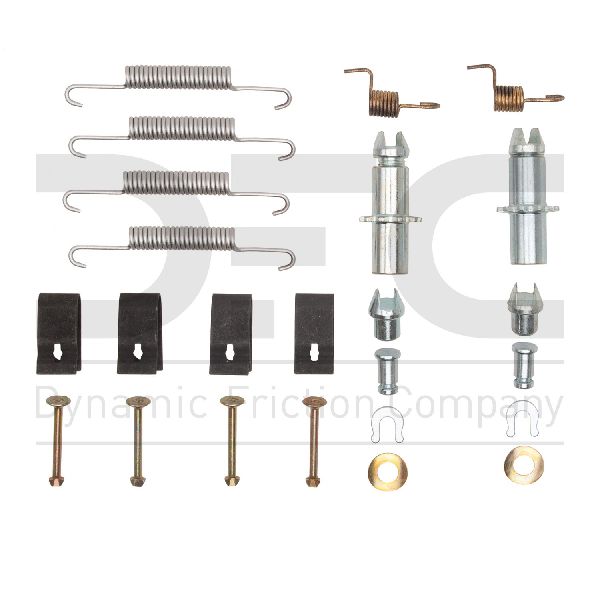
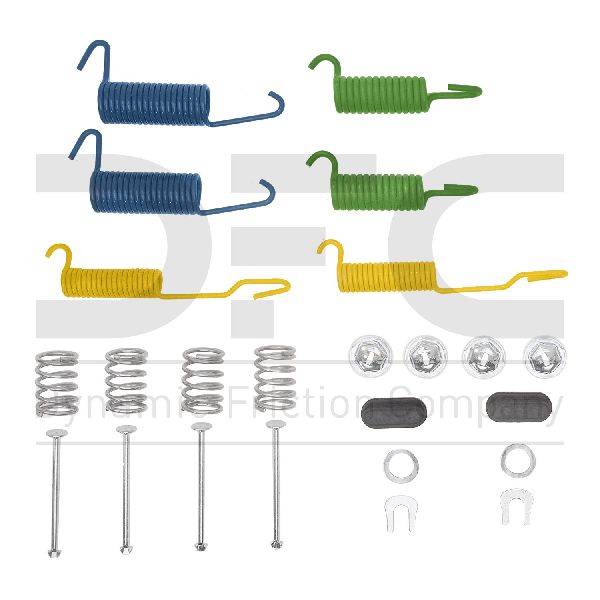
- Premium Aftermarket (Better): Some brands, like Dynamic Friction (DFC), are noted by some mechanics for using higher-quality materials, such as more stainless steel components, which can offer better corrosion resistance. While not essential, this can be a good choice for a car that will be driven in varied conditions or for owners seeking maximum longevity.
Pro Tip: Always buy a complete hardware kit for each axle. Do not reuse old springs. Metal fatigue is invisible, and a 50-year-old spring does not have the same tension as a new one, which is critical for proper brake shoe retraction.
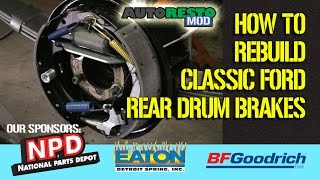
🎬 See a detailed walkthrough on rebuilding classic Ford drum brakes.Estimated Replacement Cost
Replacing the drum brake hardware is an affordable job. It is almost always done at the same time as replacing the brake shoes. The costs below reflect replacing the hardware and shoes for both rear wheels.
| Part/Service | Estimated Cost |
|---|---|
| Aftermarket Hardware Kit (per axle) | $11 - $20 |
| Aftermarket Brake Shoes (per axle) | $25 - $45 |
| Shop Labor | $150 - $250 |
| Total Estimated Cost | $186 - $315 |
Costs are estimates and may vary based on your location and the specific parts chosen. This estimate does not include the cost of new brake drums or wheel cylinders, which may also be required.
Frequently Asked Questions
Do I really need to replace the hardware with my brake shoes?
Yes, absolutely. The springs lose tension over time due to millions of cycles and constant heat. Reusing old hardware with new shoes can lead to brake drag, noise, and uneven wear. For the low cost of a hardware kit, it is critical for safety and performance.
What parts are included in a typical drum brake hardware kit?
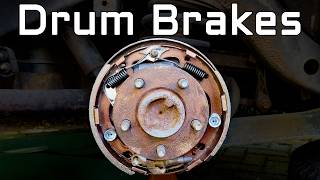
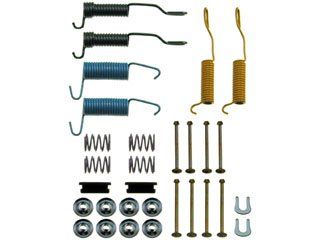
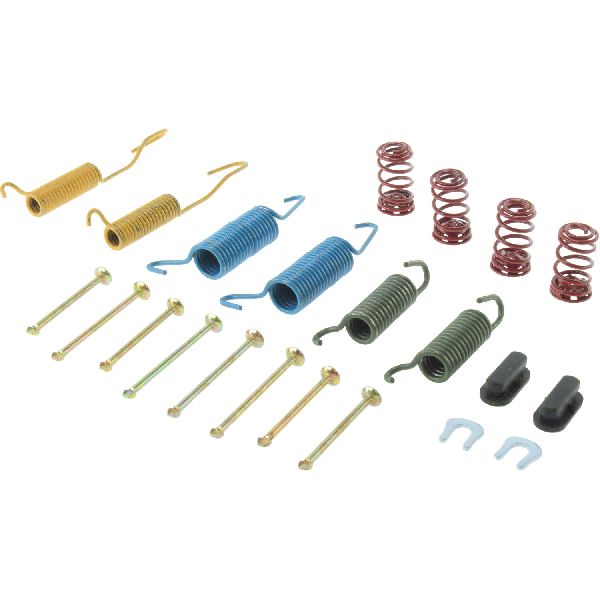
A kit for one axle (both rear wheels) typically includes all the necessary return springs, hold-down springs, clips, pins, and sometimes the self-adjuster cable and parking brake strut springs. It contains everything needed to properly secure a new set of brake shoes.
🎬 Watch this complete guide to replacing your drum brakes.Will one kit cover my whole car?
No. Hardware kits are sold per axle. Since all 1967-1973 Cougars came with rear drum brakes, you will need one rear kit. If you have a rare base model with front drum brakes, you would need a separate front kit.
Is there a difference in hardware for different engine sizes?
Yes, potentially. Cougars came with different rear axle and brake sizes, typically 10x1.75 inch or 10x2 inch drums. The hardware is specific to the brake shoe size. Always verify your vehicle's specific brake size before ordering to ensure you get the correct kit.
Helpful Videos
Technical Specifications
Kits are specific to the brake drum size. The most common sizes for the 1967-1973 Mercury Cougar are 10-inch diameter by 1.75-inch width and 10-inch diameter by 2-inch width. A complete kit services both wheels on one axle.
We Have This Part in Stock

The information in this article is provided for general reference and educational purposes only. Vehicle specifications, procedures, and part compatibility can vary by production date, trim level, and region. Always consult your vehicle's factory service manual and verify part numbers before purchasing or performing repairs. Safety-critical components such as airbags, seat belts, and braking systems should be installed by a qualified professional.