

Chevrolet Camaro Engine Mount Guide: 1967-1974
Everything you need to know about choosing the right engine mounts for your classic first or second-generation Camaro.
- Due to a 1971 recall on 1967-69 models, upgrading to mounts with a safety interlock (like Lakewood) is a smart choice to prevent engine lift.
- You must use the correct mounts for your engine (SBC vs. BBC) and year, as they are not all interchangeable and will cause fitment issues.
- Polyurethane mounts offer high performance but create a harsh, vibrating ride not suitable for most street cars.
- Budget brands like Anchor and DEA have very mixed quality reviews; consider them a short-term solution at best.
Symptoms of a Bad Engine Mount
The powerful engines in classic Camaros put a lot of stress on engine mounts. Over time, the rubber can crack, dry out, or get contaminated with oil, leading to failure. Watch for these common signs:
- Excessive Vibration: If you feel a new or intense vibration through the steering wheel, seats, or floor, especially at idle, your mounts may be worn out. As the rubber loses its ability to dampen, more of the engine's natural vibration is transferred to the car's body.
- Clunking or Banging Noises: Loud clunks, bangs, or thumps when you accelerate, decelerate, or put the car in gear are a major red flag. This noise is often the sound of the engine shifting and hitting other components in the engine bay.
- Visible Engine Movement: With the hood open and the parking brake set, have a helper briefly rev the engine while the car is in gear. If you see the engine lift or shift dramatically, the mounts are likely broken. You might also notice the engine sagging or sitting at an odd angle.
Known Issue: 1967-1969 Engine Mount Recall
In December 1971, GM issued a massive recall for millions of V8-equipped vehicles, including the 1967-1969 Camaro. The original engine mounts were prone to separating, which could allow the engine to lift under torque. This movement could jam the throttle linkage, causing unintended acceleration. The official fix was not to replace the mounts, but to install safety restraints (cables or brackets) to limit engine lift. When replacing your mounts, choosing a modern design with an interlocking safety feature is a wise upgrade.
Choosing the Right Aftermarket Mount
For a classic Camaro, you have several aftermarket options that go beyond a simple stock replacement. Your choice depends on your car's use—whether it's a daily driver, a weekend cruiser, or a performance machine.
Standard Replacement (Good)
These are basic, OEM-style rubber mounts designed to restore the original ride quality. They are the most affordable option and are best for stock or mildly modified cars used for normal driving. Brands like Anchor, DEA, and Westar fall into this category. While budget-friendly, online reviews for these brands are often mixed, with some owners reporting premature failure. They are a functional replacement but may not have the durability of higher-end options.
Performance Safety Mounts (Better)
For owners of high-torque small blocks or big blocks, a performance safety mount is an excellent upgrade. Brands like Lakewood offer "Muscle Mounts" that use a stronger rubber compound and feature a built-in steel interlock. This design prevents the engine from lifting if the rubber fails, directly addressing the safety concern from the 1971 recall without needing extra cables. They offer a great balance of durability and vibration control for spirited street driving.
Polyurethane Mounts (Performance)
If you're focused on racing or maximum performance, polyurethane mounts from brands like Energy Suspension, Nolathane, or Whiteline are the stiffest option. Polyurethane drastically reduces engine movement, which can improve throttle response. However, this stiffness comes at a cost: a significant increase in Noise, Vibration, and Harshness (NVH) inside the cabin. These are generally not recommended for cars that are primarily street-driven due to the harsh ride.
Watch Out for Small Block vs. Big Block Mounts
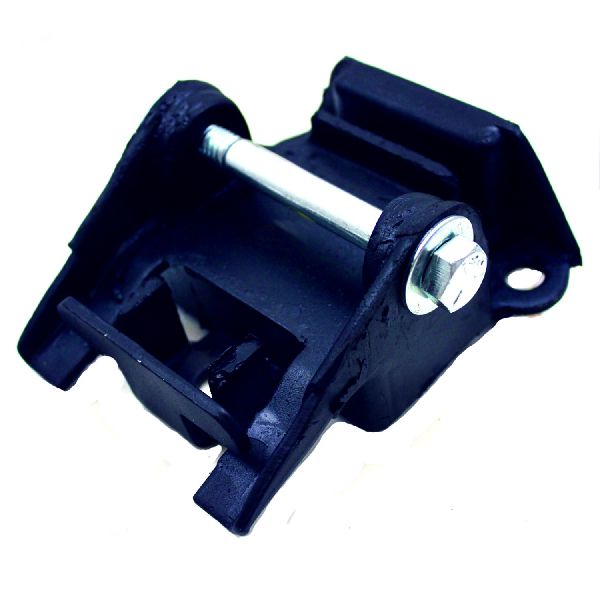
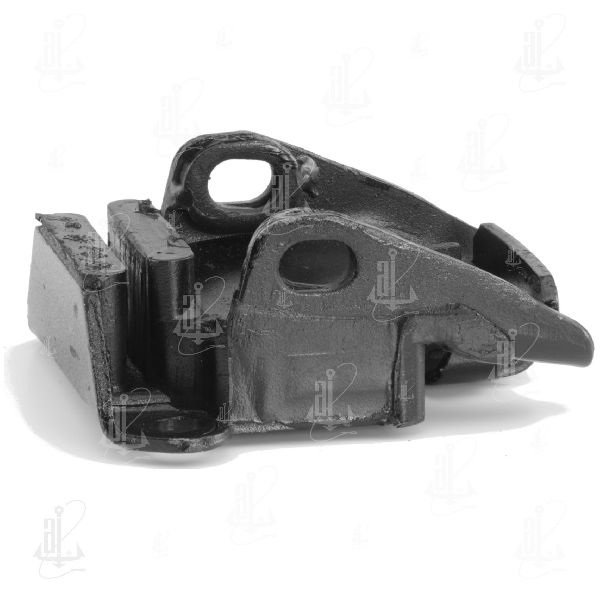
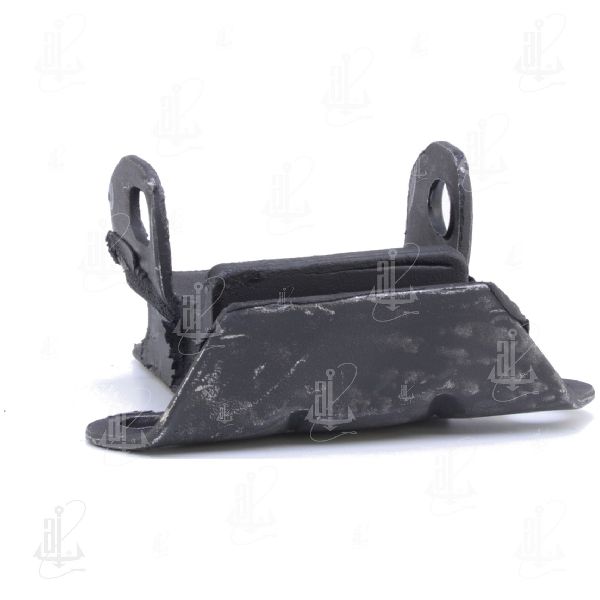
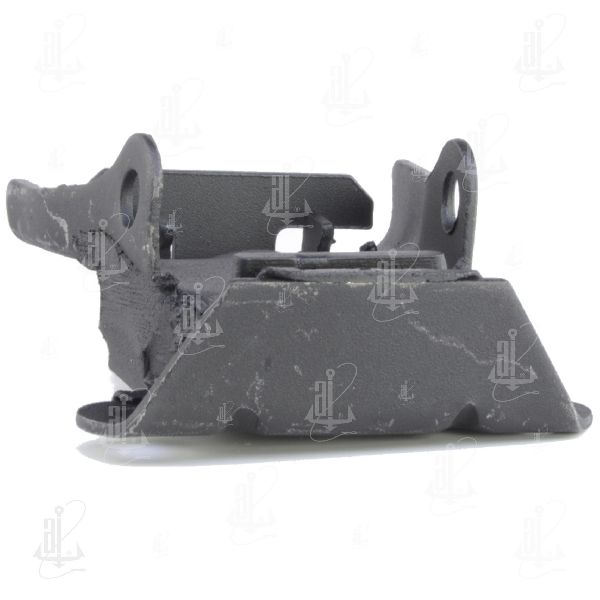
First-generation Camaros used different engine mounts and frame brackets for small block (SBC) and big block (BBC) engines. Using the wrong combination can cause major fitment problems with headers, oil pans, and steering components. For example, from 1967-1968, both SBC and BBC engines used a "short and wide" style mount. In 1969, the BBC mount changed to a "tall and narrow" style. From 1972 on, GM switched to a completely different "clamshell" design. Always verify you are buying the correct mount for your specific engine and year.
Cost of New Aftermarket Engine Mounts (1967-1974 Camaro)
| Brand Tier | Typical Price Range (Pair) | Best For |
|---|---|---|
| Standard Replacement (e.g., Anchor, DEA, Westar) | $25 - $60 | Stock vehicles, daily driving |
| Performance Safety (e.g., Lakewood) | $70 - $120 | Modified engines, spirited driving, safety |
| Polyurethane (e.g., Energy Suspension) | $80 - $150 | Racing, maximum performance |
*Prices are estimates and can vary based on the specific product and retailer.
Frequently Asked Questions
Should I replace my engine mounts in pairs?
Yes, it is highly recommended to replace both engine mounts at the same time. If one has failed due to age and wear, the other is likely not far behind. Replacing only one can put extra stress on the remaining old mount and the transmission mount.
What's the difference between rubber and polyurethane mounts?
Rubber mounts are softer and absorb more vibration, providing a comfortable ride. Polyurethane mounts are much stiffer, which reduces engine movement for better performance but transmits significantly more noise and vibration into the car. For most street-driven Camaros, high-quality rubber or interlocking mounts are the better choice.
Do I need special mounts for my big block (BBC) Camaro?
Yes. Big block Camaros used different frame brackets and sometimes different mounts than small block cars to position the engine correctly for clearance. For example, big block frame brackets often shifted the engine slightly to the passenger side for steering box clearance. You must use the correct combination of frame brackets and engine mounts for your application.
What is a clamshell motor mount?
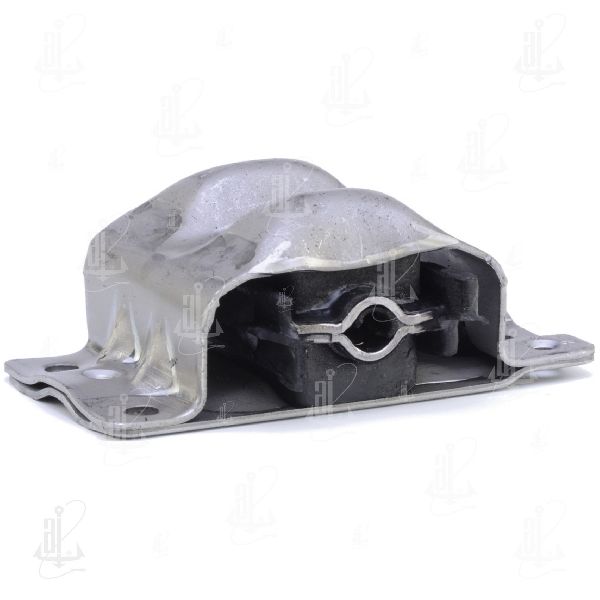
Starting in 1972, Chevrolet changed the V8 engine mount design to a "clamshell" style. In this design, the rubber insulator is captured within a steel housing that bolts to the frame, making it inherently safer against separation than the earlier style. This design was used on all V8 Camaros from 1972 to 1981.
Technical Specifications
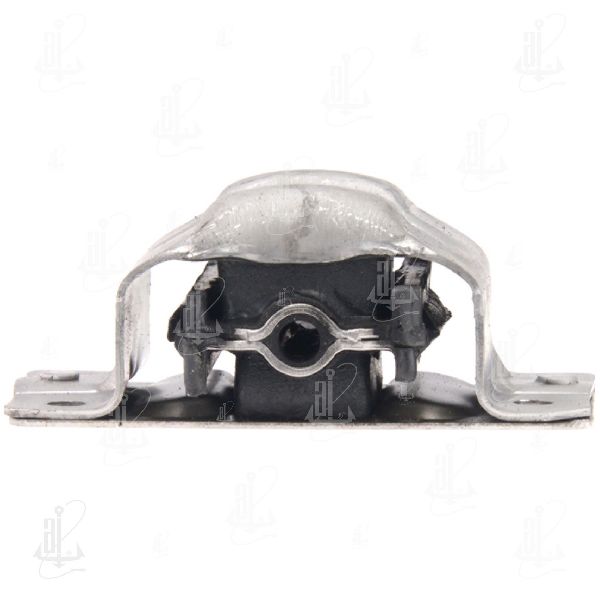
Mount style varies by year and engine. 1967-1971 models use a 'tall' or 'short' mount style that bolts to the engine block. 1972-1974 models use a 'clamshell' design that bolts to the frame. Big block applications often used different frame brackets to offset the engine.
We Have This Part in Stock

The information in this article is provided for general reference and educational purposes only. Vehicle specifications, procedures, and part compatibility can vary by production date, trim level, and region. Always consult your vehicle's factory service manual and verify part numbers before purchasing or performing repairs. Safety-critical components such as airbags, seat belts, and braking systems should be installed by a qualified professional.
- 🛍️ Shop This Part
- Symptoms of a Bad Engine Mount
- Known Issue: 1967-1969 Engine Mount Recall
- Choosing the Right Aftermarket Mount
- Standard Replacement (Good)
- Performance Safety Mounts (Better)
- Polyurethane Mounts (Performance)
- Watch Out for Small Block vs. Big Block Mounts
- Cost of New Aftermarket Engine Mounts (1967-1974 Camaro)
- Frequently Asked Questions
- 🎟️ Get 5% Off