

Universal Joint Guide for 1967-1974 Mercury Monterey
Keep your classic Monterey's driveline smooth and reliable by replacing a worn universal joint.
- A clunk when shifting or a vibration at highway speeds are the most common signs of a failing U-joint on your Monterey.
- Do not ignore symptoms; a complete failure can cause the driveshaft to fall, leading to a loss of control and expensive damage.
- For reliability and strength, choose a premium non-serviceable (sealed) U-joint from a brand like Dana Spicer or SKF.
- While a DIY replacement is possible, having a professional shop press in the new joints and balance the driveshaft is the best way to guarantee a vibration-free result.
Is Your Monterey Making a Clunking or Vibrating Noise?
A failing universal joint (U-joint) is a common issue on older, rear-wheel-drive vehicles like the 1967-1974 Mercury Monterey. These parts wear out from age, mileage, and lack of lubrication. When a U-joint fails, it can cause annoying noises and vibrations. If it breaks completely, the driveshaft can detach, leading to a loss of power and serious damage to the underside of your car. Paying attention to the warning signs can prevent a costly breakdown.
Top 5 Symptoms of a Bad U-Joint
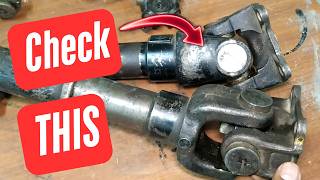
🎬 Watch this video to identify common failing U-joint symptoms.- Clunking Noise When Shifting: A loud "clunk" or "ping" when you shift from Park into Drive or Reverse is a classic sign of a worn U-joint with too much play.
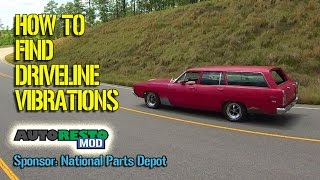
- Vibration While Driving: You may feel a vibration throughout the car that gets worse as you increase speed. 🎬 Learn how to diagnose driveline vibrations in your classic car. This is often confused with an out-of-balance tire, but a U-joint vibration is usually felt in the seat or floor rather than the steering wheel.
- Squeaking or Chirping Noise: A rhythmic squeaking that changes with your speed often points to a U-joint that has lost its grease and is running dry.
- Jerking or Hesitation: If the car seems to jerk when you accelerate or let off the gas, it could be the slack in a failing U-joint.
- Visible Rust or Leaks: Seeing rust dust around the U-joint's bearing caps or grease slung on the underbody are clear signs the joint is failing.
Warning: Do Not Ignore a Failing U-Joint
A U-joint that fails completely can cause the driveshaft to fall while you are driving. This can cause you to lose control of the vehicle and can lead to extensive damage to your transmission, exhaust, and floor pan. It is a serious safety risk.
Choosing the Right Aftermarket U-Joint
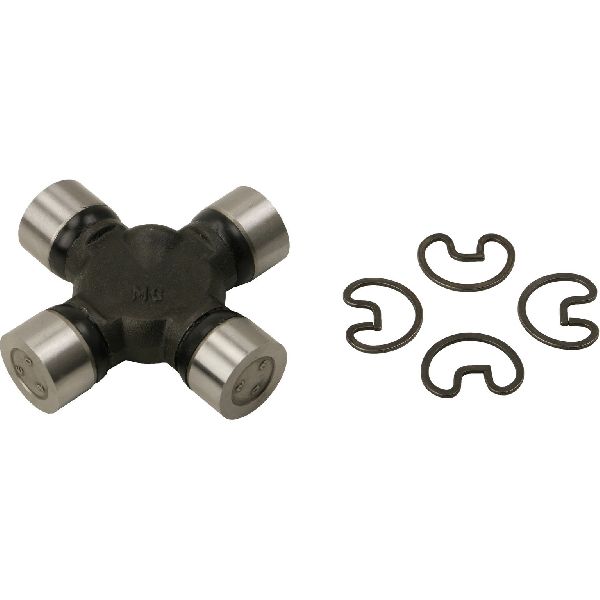
For a classic car like the 1967-1974 Monterey, new OEM (Original Equipment Manufacturer) parts are generally not available. The good news is that modern aftermarket U-joints from reputable brands are often stronger and better made than the originals from the 1960s and 70s. The main choice you will face is between serviceable (greaseable) and non-serviceable (sealed) joints.
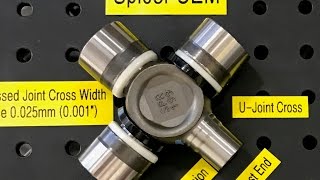
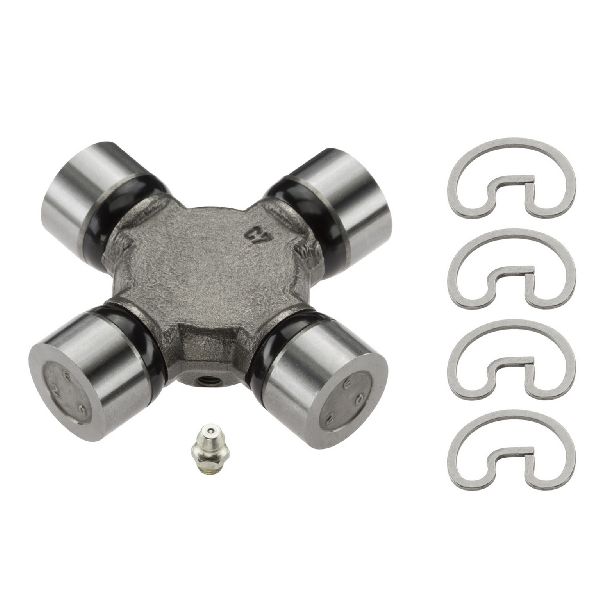
🎬 See a side-by-side comparison of different universal joint types.- Non-Serviceable (Sealed): These are lubricated for life and sealed at the factory. Many mechanics prefer them because they are stronger, as they don't have a hole drilled through the body for a grease fitting. They are a fit-and-forget solution.
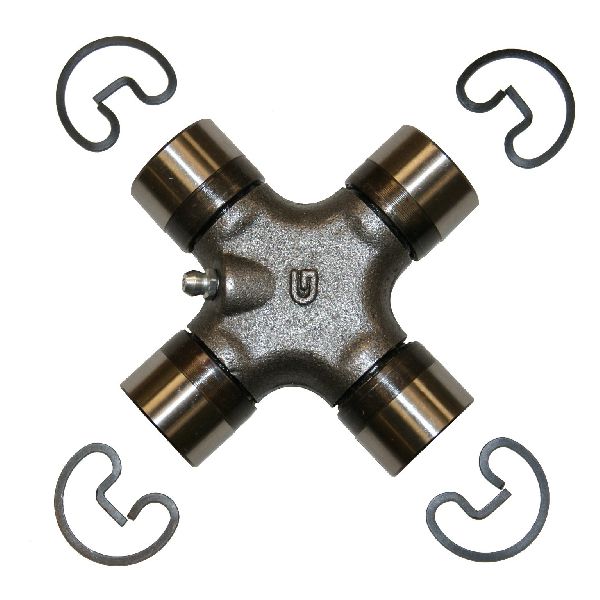
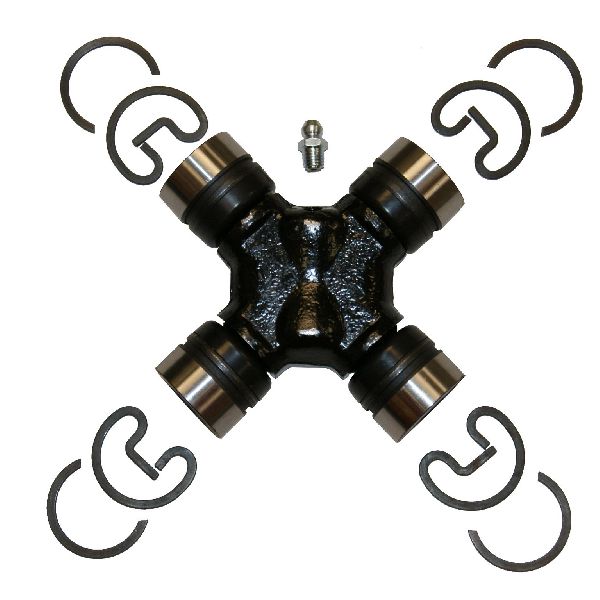
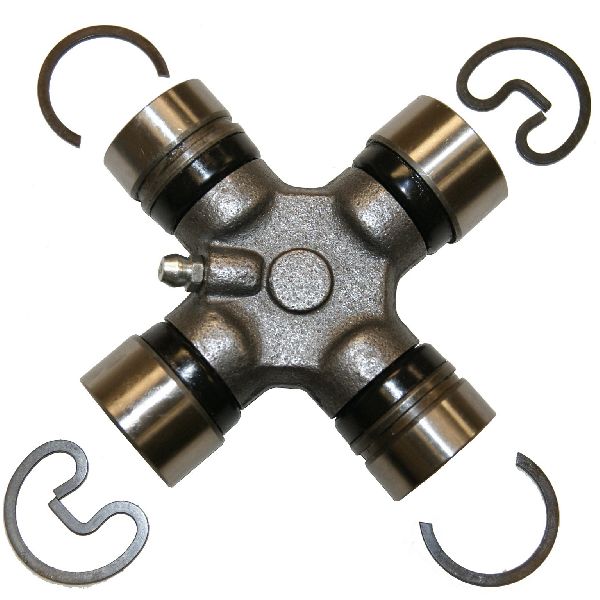
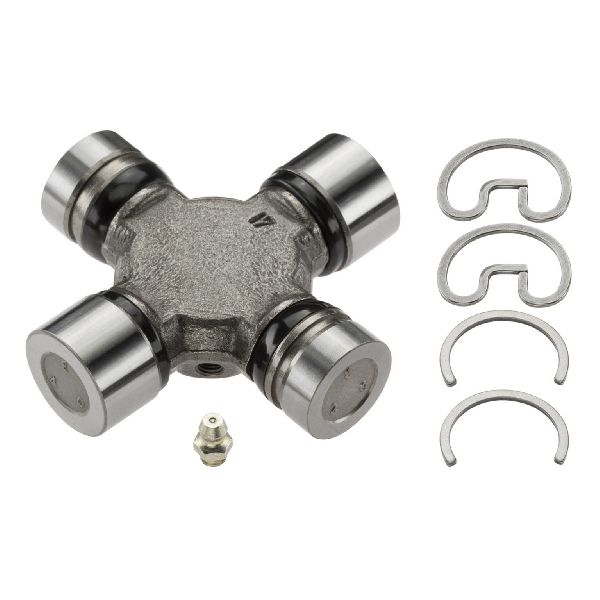
- Serviceable (Greaseable): These have a small fitting (a zerk) that allows you to add fresh grease periodically. While they require maintenance, some owners prefer them for the ability to flush out old grease and contaminants, potentially extending the part's life if serviced regularly.
Pro Tip: Consider Non-Greaseable for Strength
For most owners, a high-quality, non-greaseable U-joint from a top brand is the best choice. It offers maximum strength and requires no future maintenance. The factory-sealed lubrication is often superior and better protected from contamination.
Aftermarket Brand Quality Tiers
Not all brands are created equal. Based on feedback from mechanics and classic car forums, here is a general breakdown of the available brands:
- Top Tier (Premium Quality): Dana Spicer Chassis is widely considered the gold standard for driveline components and is often an OEM supplier. They are known for tight tolerances and durability. SKF is another premium brand, known for its expertise in bearings, which are the key component of a U-joint.
- Mid Tier (Good Quality & Value): Moog has a reputation for being a reliable aftermarket choice, though some users report a decline in quality in recent years. ACDelco (Professional series) is also a solid option, often re-branding quality parts from other manufacturers.
- Standard / Economy Tier: GMB is a Japanese manufacturer that offers a budget-friendly option. While many users have success with GMB parts, especially for stock, daily-driven vehicles, some forum discussions mention inconsistent quality compared to premium brands.
| Brand Tier | Price Range (per joint) |
|---|---|
| Top Tier (Dana Spicer, SKF) | $35 - $58 |
| Mid Tier (Moog, ACDelco) | $25 - $45 |
| Standard (GMB) | $20 - $30 |
Frequently Asked Questions (FAQ)
How many U-joints does my Monterey have?
Your 1967-1974 Mercury Monterey typically has a one-piece driveshaft with two universal joints: one at the transmission end and one at the differential end. It is recommended to replace them in pairs.
Should I get a greaseable or sealed U-joint?
For most owners, a sealed (non-greaseable) U-joint from a quality brand like Dana Spicer is the preferred choice. It is stronger because the cross isn't drilled for a grease channel and requires no maintenance. Greaseable joints can last a long time if maintained, but the seals on non-greaseable joints are excellent today.
Do I need to get my driveshaft balanced after replacing the U-joints?
It is not always required, but it is highly recommended. Replacing U-joints can sometimes affect the driveshaft's balance. If you are already experiencing vibration, having a driveline shop install the new joints and balance the entire assembly is the best way to ensure a smooth ride.
Can I replace a U-joint myself?
Yes, this is a DIY-feasible job for someone with moderate mechanical skill and the right tools. You will need a good set of sockets, a hammer, snap ring pliers, and either a bench vise or a U-joint press tool. It can be a tough job if the old parts are rusted in place. If you are not comfortable, a repair shop can do it for you.
Helpful Videos
Technical Specifications
The 1967-1974 Mercury Monterey uses a rear-wheel-drive layout with a one-piece driveshaft, typically requiring two universal joints. It is crucial to measure your original U-joint's cap diameter and width to ensure you purchase the correct replacement size, as different engine and transmission combinations may have used different series of joints (e.g., 1310 or 1330 series).
We Have This Part in Stock

The information in this article is provided for general reference and educational purposes only. Vehicle specifications, procedures, and part compatibility can vary by production date, trim level, and region. Always consult your vehicle's factory service manual and verify part numbers before purchasing or performing repairs. Safety-critical components such as airbags, seat belts, and braking systems should be installed by a qualified professional.
- 🎬 Helpful Videos
- 🛍️ Shop This Part
- Is Your Monterey Making a Clunking or Vibrating Noise?
- Top 5 Symptoms of a Bad U-Joint
- Warning: Do Not Ignore a Failing U-Joint
- Choosing the Right Aftermarket U-Joint
- Pro Tip: Consider Non-Greaseable for Strength
- Aftermarket Brand Quality Tiers
- Frequently Asked Questions (FAQ)
- 🎟️ Get 5% Off