

A Guide to the 1967-1975 Chevrolet Impala Trunk Lock
If your classic Impala's trunk key is stuck, won't turn, or the lid won't stay shut, this guide is for you.
- Replacement is a simple DIY task that usually takes less than 30 minutes and only requires basic tools.
- New aftermarket trunk locks will come with a new set of keys; they cannot be operated with your original ignition key.
- For best fit and longevity, consider premium aftermarket brands like ACDelco or Standard Ignition.
- Before ordering a new part, try cleaning and lubricating the existing lock with graphite spray as it may solve the issue.
Signs of a Failing Trunk Lock
For a classic car like the 1967-1975 Impala, trunk lock problems are almost always due to age and wear. Here’s what to look for:
- Key Won't Turn: The most common issue is a key that won't turn in the lock. This is often caused by stuck or corroded internal tumblers. Sometimes, lubricating with graphite spray can free it up, but often the cylinder is too worn and needs replacement.
- Key is Loose or Won't Go In: If the key feels sloppy in the lock or won't insert fully, the lock cylinder is likely worn out or damaged.
- Trunk Won't Latch Shut: If the trunk lid pops back up after you close it, the issue might be the latch mechanism itself or the rod connecting it to the lock cylinder.
- Lock Cylinder is Loose: The entire lock assembly might feel loose in the trunk lid. This is usually due to a broken or missing retainer clip on the inside.
Choosing the Right Aftermarket Trunk Lock
Since original GM parts for these vehicles are scarce, the aftermarket is your best source. Quality can vary, so it's important to choose a reputable brand.
Aftermarket Brand Tiers
| Brand Tier | Brands | Quality & Price Assessment |
|---|---|---|
| Premium Aftermarket | ACDelco, Standard Ignition (Standard Motor Products) | ACDelco is GM's official parts brand and is generally considered a top-quality choice, offering parts that meet original specifications. Standard Ignition (SMP) is a highly respected aftermarket manufacturer with a long history of producing reliable parts that often meet or exceed OEM standards. Both are excellent choices for a long-lasting repair. |
| Standard/Value Aftermarket | Replacement | The "Replacement" brand typically represents a value-oriented option. These parts are designed to be a direct fit and functional replacement at a lower cost. While they will get the job done, the materials and internal components may not be as robust as the premium brands. For a daily driver or a budget-conscious repair, this is a viable option. |
Pro Tip: Before you replace the lock, try spraying a dedicated lock lubricant (like graphite spray) into the keyhole. Work the key in and out several times. This can sometimes free up stuck tumblers and restore function, saving you the cost of a new part.
Frequently Asked Questions (FAQ)
Will a new aftermarket lock use my original car keys?
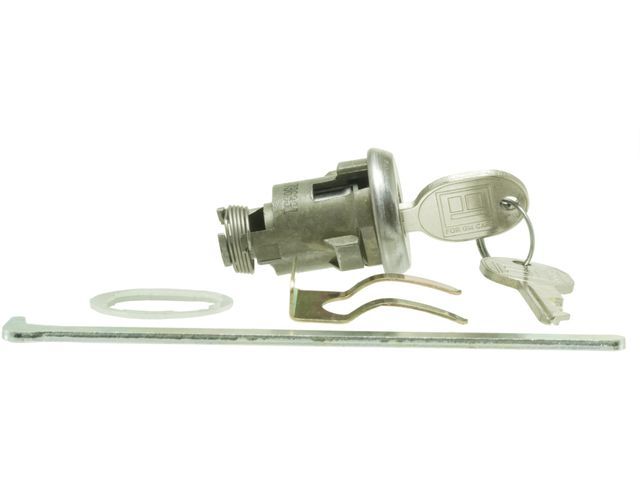
No. New aftermarket trunk locks come as a kit with a new cylinder and a set of two new keys. You will have a separate key for your trunk that is different from your ignition and door keys.
Can I have the new lock matched to my original key?
It is sometimes possible for a professional locksmith to "re-key" a new lock cylinder to match your existing key, but it can be difficult and costly. It involves disassembling the new lock and replacing the internal tumblers. For most owners, simply using the new key provided is the most practical solution.
Is replacing the trunk lock a difficult job?
No, this is a very simple job for most DIYers. The lock cylinder is held in place from inside the trunk by a small C-clip. After removing the clip, the old lock slides out, and the new one slides in. The entire process usually takes less than 30 minutes.
What is the difference between the trunk lock cylinder and the latch?
The lock cylinder is the part you see on the outside of the trunk where the key goes. The latch is the mechanism inside the trunk that actually holds the lid closed. The lock cylinder has a rod that connects to and operates the latch. While they work together, they are separate parts.
Technical Specifications
The lock assembly includes the lock cylinder, a gasket, a retaining clip, and a new set of keys. Some kits also include the connecting rod to the latch mechanism.
We Have This Part in Stock


The information in this article is provided for general reference and educational purposes only. Vehicle specifications, procedures, and part compatibility can vary by production date, trim level, and region. Always consult your vehicle's factory service manual and verify part numbers before purchasing or performing repairs. Safety-critical components such as airbags, seat belts, and braking systems should be installed by a qualified professional.