

Choosing the Right Starter for Your 1967-1975 Mercury Cougar
Solve common starting problems and upgrade your classic Cougar's reliability with the right new aftermarket starter.
- Heat soak is a common problem, especially for big-block Cougars; a high-torque mini-starter is the best solution.
- Before replacing the starter, always check the battery, cables, and the fender-mounted solenoid, as these are frequent points of failure.
- Aftermarket starters from brands like Powermaster and MSD offer significant performance upgrades over the original design.
- Ensure the starter you buy matches your Cougar's specific engine (small-block vs. big-block), as they are not interchangeable.
Is Your Cougar's Starter Failing?
A failing starter can leave you stranded. For classic cars like the 1967-1975 Mercury Cougar, starting problems are common but usually straightforward to diagnose. Recognizing the signs early can save you a headache. Pay attention to how your car sounds and feels when you turn the key.
Common Failure Symptoms:
- Single Loud Click: You turn the key and hear one loud "click" from the engine bay, but the engine doesn't crank. This often points to a bad starter solenoid, which is failing to send enough power to the starter motor.
- No Sound at All: If you turn the key and get nothing—no click, no crank, just silence—it could mean the starter solenoid has completely failed or there's a problem in the starting circuit.
- Slow, Labored Cranking: If your engine turns over very slowly, like the battery is weak, it might be the starter itself. Worn internal components can create high resistance, preventing the starter from getting the power it needs to spin the engine at the proper speed.
- Grinding Noise: A grinding sound during startup can indicate that the starter gear is not engaging properly with the flywheel, a problem often caused by a failing starter drive or solenoid.
- Heat Soak (Hot Start Problems): A very common issue, especially with big-block engines (390, 428) and aftermarket headers. After a drive, the engine's heat soaks into the starter, increasing its electrical resistance. The starter then acts weak or won't work at all until it cools down.
Check the Basics First
Before blaming the starter, make sure your battery is fully charged and the battery cable connections are clean and tight at the battery, engine block, and starter solenoid. Many starting problems on these classic cars are caused by poor grounds or corroded cables.
Choosing the Right Aftermarket Starter
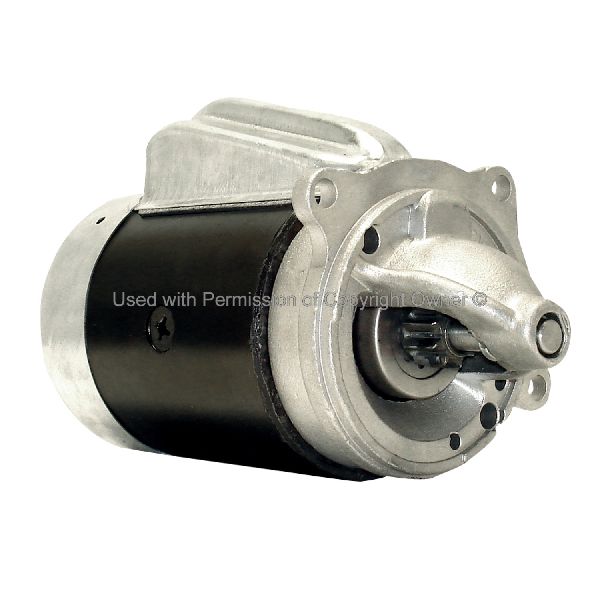
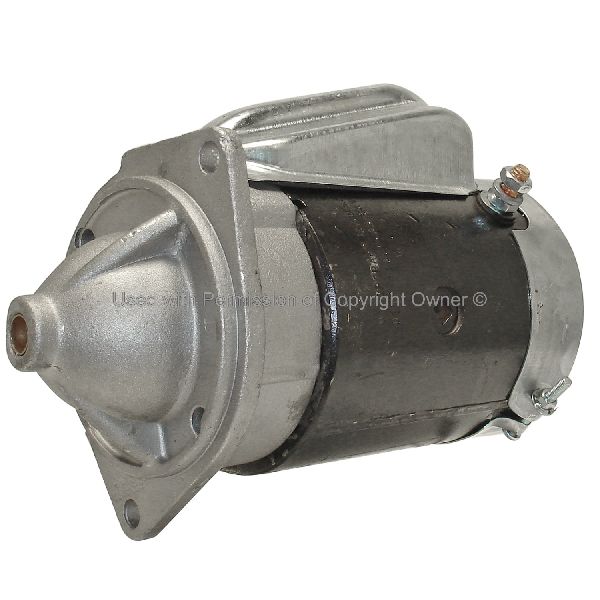
For a 1967-1975 Cougar, you have many aftermarket options that often exceed original factory quality. Original starters were large and heavy. Modern aftermarket units are often smaller, lighter, and more powerful, making them a smart upgrade.
Brand & Quality Tiers
Your choice depends on your car's setup and your budget. The brands available can be grouped into a few tiers:
- Premium High-Torque (Powermaster, MSD): These are ideal for modified Cougars with higher compression engines or for solving heat soak issues. Brands like Powermaster offer gear-reduction designs that provide more cranking power in a smaller, more heat-resistant package. They are often adjustable (clockable) to provide better clearance around headers. This is a top-tier choice for performance and reliability.
- Quality Standard Replacement (ACDelco, Ford Performance): These brands offer dependable, well-made starters that are excellent for stock or mildly modified cars. ACDelco is a trusted name with a long history, and their parts are built to meet or exceed original equipment (OE) specifications. Ford Performance parts offer a similar promise of quality for Ford vehicles.
- Value Options (MPA, Proform, Mr. Gasket): These brands provide functional replacements at a more budget-friendly price. They are a good fit for a standard daily driver where cost is a primary concern. While they may not have the robust construction of premium brands, they offer a cost-effective solution to get your Cougar back on the road.
What is a High-Torque or Mini-Starter?
Many modern starters for classic cars are "high-torque" or "mini-starters." These use a gear reduction system to multiply the motor's torque, allowing a smaller, lighter motor to spin the engine with more force. This is especially helpful for high-compression engines and for combating heat soak, as the smaller size keeps the starter further from hot exhaust manifolds.
How Much Does a New Starter Cost for a 1967-1975 Mercury Cougar?
The cost will vary based on the brand and whether you do the work yourself. For a classic car like the Cougar, DIY replacement is very achievable for those with basic mechanical skills.
| Part/Service | Estimated Cost |
|---|---|
| New Aftermarket Starter | $59 - $392 |
| Remanufactured Starter | $75 - $236 |
| Shop Labor | $100 - $250 |
| Total Professional Replacement | $159 - $642 |
Frequently Asked Questions
Do I need a special starter for a big-block (390, 428) vs. a small-block (289, 302, 351) engine?
Yes, starters are specific to the engine family (FE big-block vs. small-block Windsor/Cleveland) due to differences in the bellhousing and flywheel. Always ensure you are buying a starter listed for your specific engine. High-torque mini-starters are highly recommended for big-block engines, which generate more heat and are more prone to heat soak.
What is a starter solenoid and why is it separate on my Cougar?
The starter solenoid is a high-power electromagnetic switch. On 1967-1975 Cougars (and most Fords of the era), the main solenoid is mounted on the fender wall, not on the starter itself. It receives a small current from the ignition switch, which closes a circuit to send the large current from the battery directly to the starter motor. A clicking sound without the engine cranking often points to a failure of this fender-mounted solenoid.
Can I fix "heat soak" without buying a new starter?
Sometimes. You can try installing a starter heat shield or an insulating blanket that wraps around the starter motor. These products reflect heat from the exhaust, which can prevent the starter from getting too hot. Ensuring you have heavy-gauge battery cables and clean connections also helps. However, the most permanent solution is often upgrading to a high-torque mini-starter.
Is replacing the starter a difficult job on my Cougar?
For most owners with some mechanical experience, it's a manageable job. It typically involves disconnecting the battery, safely raising the front of the car, removing the starter cables, and unbolting the two or three bolts holding the starter to the bellhousing. Access can be tight, especially with long-tube headers, but it doesn't require highly specialized tools.
Technical Specifications
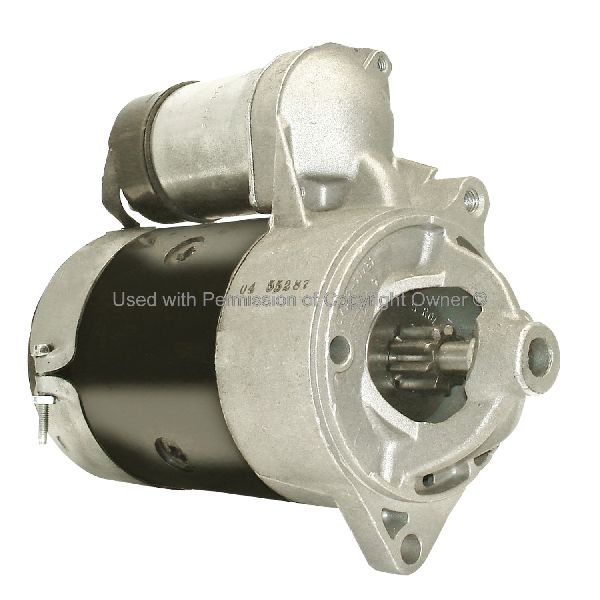
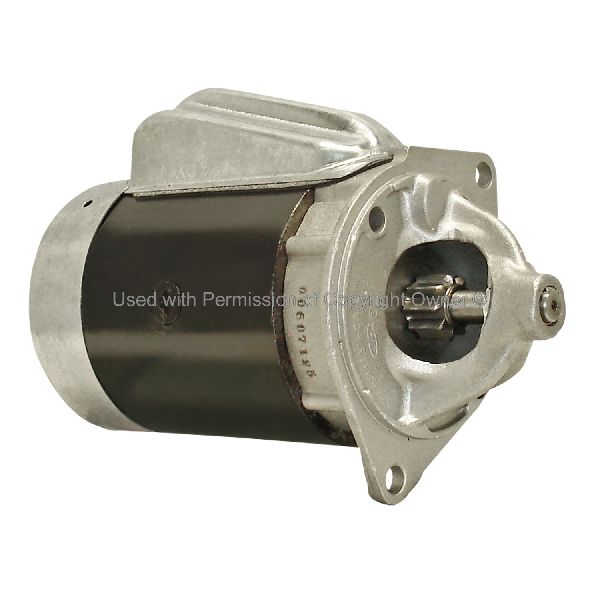
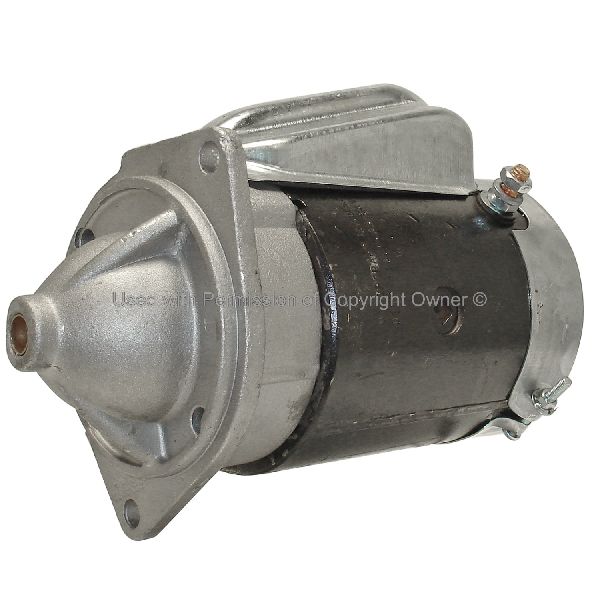
Vehicle-specific fitment for Ford small-block (289, 302, 351W, 351C) or FE big-block (390, 428) engines. Aftermarket options include standard direct-drive and high-torque gear-reduction designs. Look for features like clockable mounting for header clearance.
We Have This Part in Stock

The information in this article is provided for general reference and educational purposes only. Vehicle specifications, procedures, and part compatibility can vary by production date, trim level, and region. Always consult your vehicle's factory service manual and verify part numbers before purchasing or performing repairs. Safety-critical components such as airbags, seat belts, and braking systems should be installed by a qualified professional.
- 🛍️ Shop This Part
- Is Your Cougar's Starter Failing?
- Common Failure Symptoms:
- Check the Basics First
- Choosing the Right Aftermarket Starter
- Brand & Quality Tiers
- What is a High-Torque or Mini-Starter?
- How Much Does a New Starter Cost for a 1967-1975 Mercury Cougar?
- Frequently Asked Questions
- 🎟️ Get 5% Off