

Engine Oil Pressure Switch Guide for 1967-1976 Buick Electra
Understanding the signs of a failing oil pressure switch can save your Electra's big-block engine from serious damage.
- A flickering oil light at hot idle is a classic symptom of a failing switch on these Buicks.
- Always check for oil leaks directly from the switch body, as this is a common failure mode that can lead to major oil loss.
- Replacing the switch is the easiest and cheapest first step in diagnosing any oil light issue before suspecting a bad oil pump or worn engine bearings.
- Use a quality aftermarket brand like Standard Motor Products for reliability; it's a small price for protecting your engine.
Is Your Oil Light Lying? Signs of a Bad Switch
The oil pressure switch is a known weak point on older GM vehicles, including the 1967-1976 Buick Electra. After decades of heat cycles and vibration, they can fail in several ways. Recognizing the symptoms is key to avoiding a misdiagnosis that could lead you to unnecessarily worry about your engine's health.
Don't Ignore the Oil Light
Even if you suspect a bad switch, always check your oil level immediately when the oil light comes on. While a faulty switch is common, the light is your primary defense against real, engine-destroying low oil pressure.
Choosing the Right Aftermarket Switch
For a classic car like the Electra, finding New Old Stock (NOS) OEM parts can be difficult and expensive. Aftermarket parts are readily available and offer a reliable, cost-effective solution. The key is choosing a quality brand.
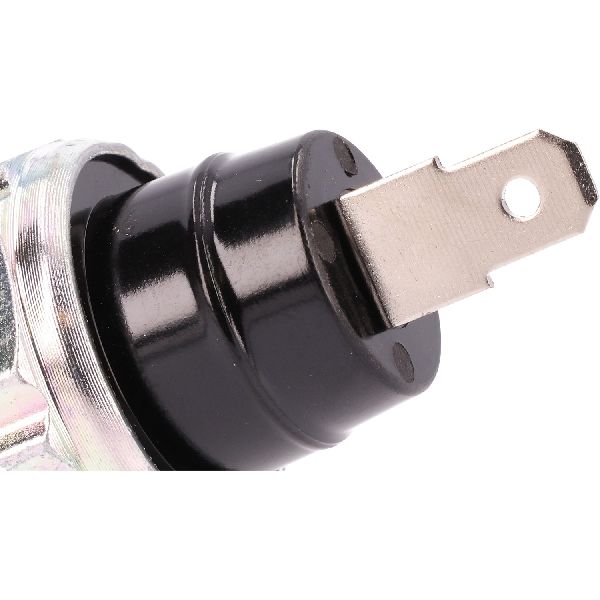
- Standard Motor Products (SMP): Often considered a top-tier aftermarket brand, Standard Ignition (part number PS64 is commonly cited) is a trusted choice among mechanics and classic car owners. They use durable materials like polyimide film diaphragms to resist heat and leakage.
- Global Parts and Other Value Brands: While more affordable, the quality of value-line or private-label brands can be inconsistent. For a part this critical and inexpensive, spending a few extra dollars on a proven brand like Standard is a worthwhile investment for peace of mind.
Cost of a New Oil Pressure Switch (1967-1976 Buick Electra)
| Part Type | Estimated Cost |
|---|---|
| New Aftermarket (Premium) | $15 - $25 |
| New Aftermarket (Value) | $12 - $18 |
| Shop Labor | $40 - $80 |
Pro Tip: Replacing the switch is a very simple DIY job that most owners can do in under 30 minutes with basic tools, saving on labor costs.
Frequently Asked Questions
Where is the oil pressure switch located on a Buick Electra?
On Buick V8 engines of this era (like the 430 and 455), the oil pressure switch is typically located on the front of the engine block, on the passenger's side, near the oil filter and water pump. It screws into the oil pump housing and has a single wire connected to it.
Is a flickering oil light always a bad switch?
Not always, but it's the most likely cause, especially if it only happens at hot idle. Low oil level, the wrong oil viscosity, a clogged oil filter, or actual engine wear can also cause the light to flicker. However, because the switch is inexpensive and easy to replace, it's often the first part to change when diagnosing the problem.
Can I replace the oil pressure switch myself?
Yes, this is a very DIY-friendly job. The replacement takes only a few minutes. You will need a special deep socket (often 1-1/16") or an oil pressure switch socket to remove and install it without damaging the new part. Simply disconnect the wire, unscrew the old switch, screw in the new one, and reconnect the wire.
What happens if I ignore a bad switch?
If the switch is leaking, you will lose oil, which can lead to engine damage if the level gets too low. If the switch has failed and won't light up, you will have no warning of a real low-pressure event, putting your engine at risk of catastrophic failure. If it's stuck on, it's a constant annoyance and masks a real problem should one occur.
Technical Specifications
Thread Size: 1/4" x 18 NPT, Terminals: 1-3 (depending on application), Connector: Single Blade or Screw Terminal
We Have This Part in Stock


The information in this article is provided for general reference and educational purposes only. Vehicle specifications, procedures, and part compatibility can vary by production date, trim level, and region. Always consult your vehicle's factory service manual and verify part numbers before purchasing or performing repairs. Safety-critical components such as airbags, seat belts, and braking systems should be installed by a qualified professional.