

A Comprehensive Guide to the 1967-1976 Pontiac Firebird Alternator
Keep your classic Firebird's electrical system reliable by choosing the correct new aftermarket alternator.
- Verify if your Firebird requires an externally regulated (1967-72) or internally regulated (1973-76) alternator before purchasing.
- Choose a standard amperage alternator for a stock car, or a high-output model if you have added electronics like electric fans or a large stereo.
- Upgrading an early Firebird to a later-style internally regulated alternator is a common, reliable modification.
- Symptoms of failure include dimming lights, a 'GEN' warning light, a frequently dead battery, and whining noises from the engine.
Signs of a Failing Alternator in Your Firebird
A bad alternator can leave you stranded. Because these classic cars have simpler electrical systems, the signs are usually straightforward. Watch for these common symptoms:
- Dimming Headlights: If your headlights and dash lights flicker or dim, especially at idle, the alternator is likely struggling to produce enough power.
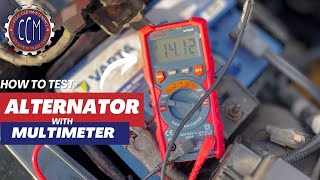
- "GEN" or "ALT" Warning Light: The most obvious sign is the generator or alternator warning light on your dashboard. This light indicates a problem in the charging system. 🎬 Watch: How to test your alternator using a simple multimeter.
- Dead Battery: A weak or failing alternator can't properly charge the battery. You might find yourself needing to jump-start the car frequently.
- Whining or Grinding Noises: Worn-out bearings inside the alternator can cause a distinct whining or grinding sound that changes with engine RPM.
- Electrical Issues: Problems like a radio that cuts out or gauges that behave erratically can point to an inconsistent voltage supply from a failing alternator.
Choosing the Right Aftermarket Alternator
When shopping for a new alternator for your 1967-1976 Firebird, there are two critical factors to consider: the voltage regulator type and the amperage output.
External vs. Internal Regulator
This is the most important detail for this generation of Firebird.
- 1967-1972 (approx.): These models came from the factory with an externally regulated alternator (like the Delco-Remy 10DN type). This system uses a separate, box-shaped voltage regulator mounted on the firewall or radiator support.
- 1973-1976 (approx.): GM switched to more reliable internally regulated alternators (like the Delco-Remy 10SI type). The regulator is built into the back of the alternator itself, simplifying the wiring.
Amperage: Stock vs. High-Output
Amperage (Amps) is the measure of the alternator's electrical output. Stock alternators for this era were often low-output, ranging from 37 to 63 amps. This was enough for the factory equipment.
- Stock Replacement (40-70 Amps): If your Firebird is mostly original with no major electrical additions, a stock-level output alternator is perfectly fine.
- High-Output (80-150+ Amps): If you have added modern accessories like electric cooling fans, a powerful stereo system, fuel injection, or brighter headlights, you need a high-output alternator to handle the extra load. Using an underpowered alternator with these upgrades will lead to a drained battery and poor performance.
Aftermarket Brand Quality Tiers
Several brands offer alternators for your classic Firebird, catering to different needs and budgets.
- Premium Performance (Powermaster, Proform): Brands like Powermaster are very popular in the classic and muscle car community for high-output and performance applications. They offer alternators from stock-looking units with upgraded internals to fully polished, high-amperage models perfect for show cars and modified vehicles. While some users report long-term reliability issues, they are a go-to for handling significant electrical loads.
- OEM-Quality Replacement (ACDelco): As the original equipment manufacturer for General Motors, ACDelco is a trusted choice for a reliable, stock-style replacement. If you want a part that fits and functions like the original without modifications, ACDelco is a safe bet.
- Standard Aftermarket (BBB Industries, MPA, Remy, WAI Global): These brands provide dependable, cost-effective replacements that meet or exceed original specifications. They are an excellent choice for daily drivers or restorations where budget is a consideration but quality is still important.
| Part Type | Estimated Cost |
|---|---|
| New Aftermarket | $40 - $263 |
| Remanufactured Aftermarket | $50 - $210 |
| New OEM (GM/ACDelco) | $75 - $250 |
| Shop Labor | $100 - $200 |
Frequently Asked Questions
Do I need a high-output alternator?
You only need a high-output alternator if you have added significant electrical accessories like electric fans, a high-wattage sound system, electronic fuel injection, or modern lighting. For a stock or lightly modified car, a standard output (55-70 amp) alternator is sufficient.
What is the difference between an external and internal regulator?
An external regulator is a separate component, usually a small metal box mounted on the firewall, that controls the alternator's voltage. An internal regulator is built directly into the alternator, which is a more modern and reliable design. Firebirds from approximately 1967-1972 used external regulators, while later models used internal ones.
Can I convert my early Firebird to an internally regulated alternator?
Yes, this is a very common and highly recommended upgrade. It involves replacing the alternator with a newer 10SI or 12SI style unit and making simple wiring changes at the old external regulator plug. This improves reliability and cleans up the engine bay.
Is a "one-wire" alternator a good choice?
One-wire alternators are popular for their simple installation, requiring only the main battery charge wire to be connected. Many high-output brands like Powermaster offer this feature. However, some setups may not activate the dashboard warning light. For a street-driven car, a standard "three-wire" internally regulated alternator is often preferred as it provides more accurate voltage sensing and retains all factory gauge functions.
Helpful Videos
Technical Specifications
OEM Part Numbers: 1100700
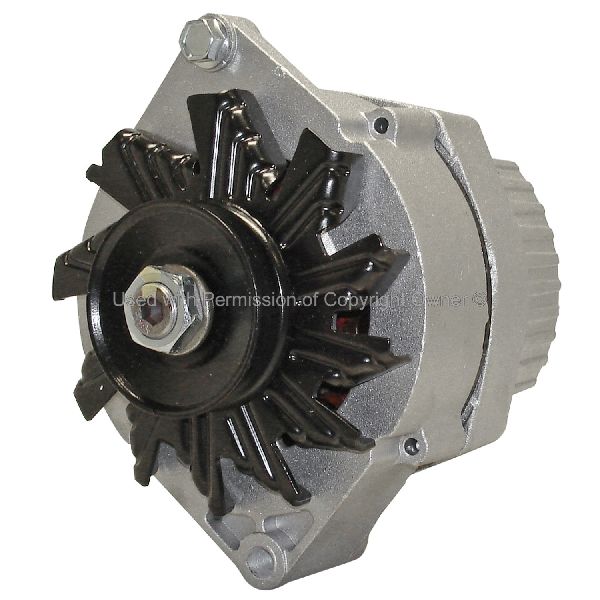
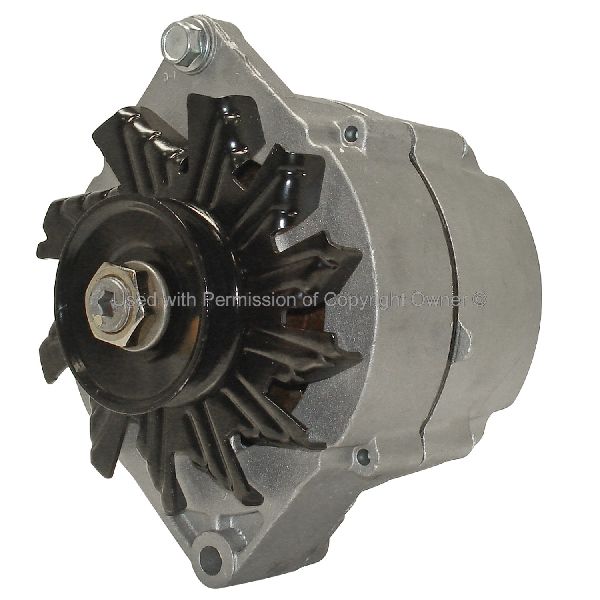
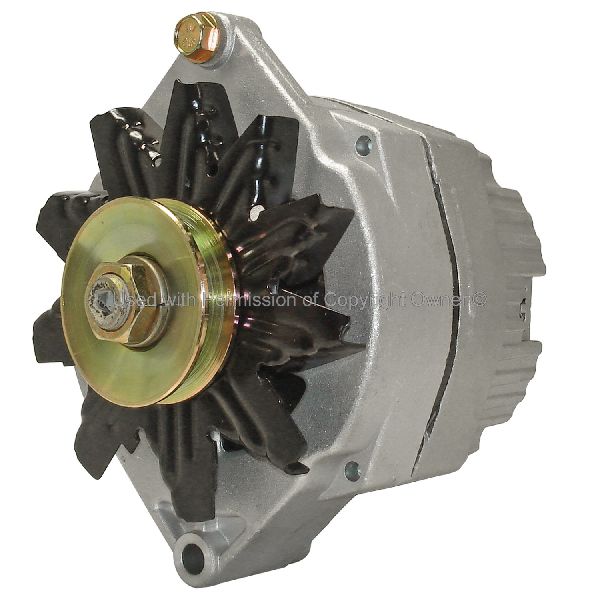
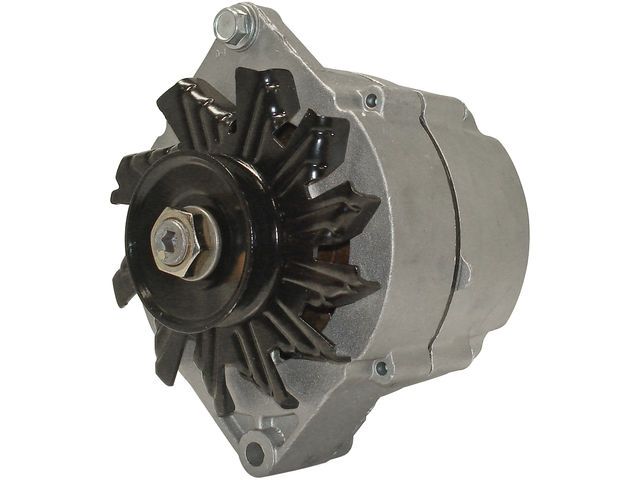
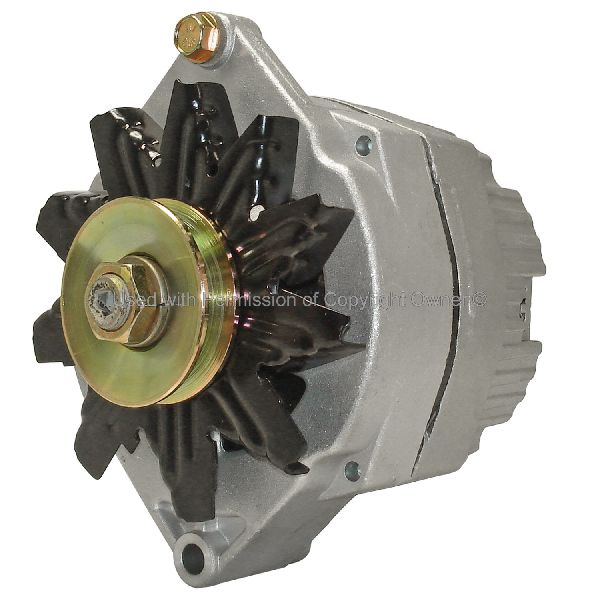
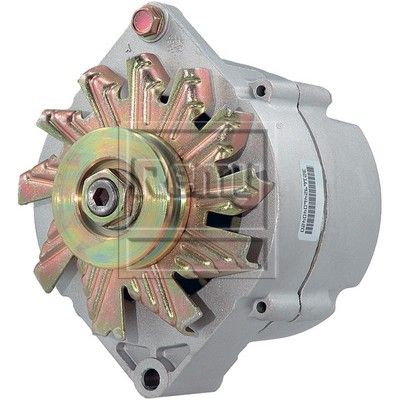
Factory alternators were typically Delco-Remy 10DN (external regulator) or 10SI (internal regulator) types. Common stock amperage ratings were 37A, 55A, and 63A. All use a single V-belt pulley. The key specification difference is the voltage regulation type, which changed around the 1973 model year.
We Have This Part in Stock

The information in this article is provided for general reference and educational purposes only. Vehicle specifications, procedures, and part compatibility can vary by production date, trim level, and region. Always consult your vehicle's factory service manual and verify part numbers before purchasing or performing repairs. Safety-critical components such as airbags, seat belts, and braking systems should be installed by a qualified professional.