

Mercury Comet Brake Master Cylinder Guide (1967-1977)
Keep your classic Comet stopping safely by understanding how to choose the right new aftermarket brake master cylinder.
- A spongy or sinking brake pedal is the #1 sign of a failing master cylinder and is a critical safety issue.
- You MUST bench bleed the new master cylinder before installation to avoid a spongy pedal and difficult bleeding.
- Verify if your Comet needs a master cylinder for power or manual brakes, and for a drum or disc brake setup, as they are not interchangeable.
- All 1967 and newer Comets should have a dual-reservoir master cylinder for safety, which separates the front and rear brake systems.
Symptoms of a Failing Master Cylinder
A failing brake master cylinder is a critical safety issue. If you notice any of these signs, inspect your brake system immediately. A bad master cylinder will not fix itself and will only get worse.
- Spongy or Sinking Brake Pedal: This is the most common symptom. The pedal may feel soft, mushy, or sink slowly to the floor when you hold it down. This often indicates internal seals are worn, allowing fluid to bypass them instead of building pressure.
- Abnormal Pedal Behavior: The pedal might feel inconsistent, requiring a couple of pumps to build pressure before it feels firm.
- Contaminated Brake Fluid: If the brake fluid in the reservoir looks dark brown or black, it's a sign that the rubber seals inside the master cylinder are breaking down and contaminating the fluid.
- External Fluid Leaks: You might see brake fluid leaking from the rear of the master cylinder where it mounts to the firewall or brake booster. Low fluid in the reservoir is a tell-tale sign of a leak somewhere in the system.
- Brake Warning Light: On later models equipped with a brake warning light, low pressure or low fluid levels caused by a failing master cylinder can trigger the light on your dashboard.
Choosing the Right Aftermarket Master Cylinder
Since new Original Equipment (OEM) Ford master cylinders for a 1967-1977 Comet are no longer produced, you will be choosing from new aftermarket parts. The quality of these parts can vary, but several reputable brands produce reliable replacements.
Aftermarket Brand Tiers
| Brand | General Assessment | Notes for Comet Owners |
|---|---|---|
| Centric | Often considered a reliable mid-tier brand that provides a good balance of quality and value. Some users have reported issues with clutch master cylinders, but their brake components are generally well-regarded. | A solid, standard replacement option for daily drivers. Ensure you get the correct part for your drum/drum or disc/drum setup. |
| Dorman | Known for re-engineering OEM parts to fix common failure points. Quality can sometimes be hit-or-miss according to user forums, but their brake and clutch hydraulics are often considered reliable. | A good choice if you're looking for a part that may have design improvements over the original. Dorman is a major supplier of aftermarket parts. |
| Dynamic Friction (DFC) | DFC manufactures parts to meet OEM specifications for fit and function and pressure tests all units. Some forum users have chosen DFC as a reliable alternative when other brands were unavailable. | A viable option that focuses on matching original equipment performance. Be sure to double-check specifications like bore size before ordering. |
Pro Tip: Power vs. Manual and Disc vs. Drum
When ordering, you must know if your Comet has power or manual brakes, and a front drum or front disc brake setup. Master cylinders for power brakes have a shallow pushrod bore, while manual brake cylinders have a deep bore to accept the longer pushrod. Furthermore, master cylinders for disc brakes are different from those for all-drum brakes, often having a larger reservoir for the front discs and different internal valving. Using the wrong one will result in poor braking performance.
Estimated Replacement Costs
The cost to replace a brake master cylinder on a 1967-1977 Mercury Comet is reasonable, with the part itself being affordable. Labor costs will make up a significant portion of the total if you have it done professionally.
Cost Breakdown
| Item | Estimated Cost |
|---|---|
| New Aftermarket Master Cylinder | $69 - $118 |
| Shop Labor | $150 - $300 |
| Total Professional Installation | $219 - $418 |
Frequently Asked Questions (FAQ)
Do I need to bench bleed the new master cylinder?
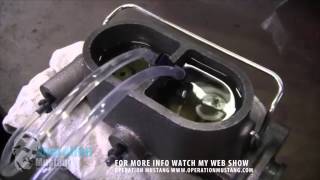
Yes, absolutely. Bench bleeding is a critical step that removes air from inside the master cylinder before you install it on the car. Skipping this step will introduce a large amount of air into your entire brake system, making it extremely difficult to bleed the brakes at the wheels and resulting in a spongy pedal. Most new master cylinders come with a simple bleeding kit containing plastic fittings and hoses.
🎬 Watch this step-by-step guide on how to bench bleed your master cylinder.What's the difference between a single and dual reservoir master cylinder?
A single reservoir master cylinder feeds both front and rear brakes from one chamber. If a leak occurs anywhere, you can lose all braking ability. A dual reservoir master cylinder, mandated in the US starting in 1967, has two separate chambers—one for the front brakes and one for the rear. This provides a critical safety advantage: if one circuit fails, the other can still help you stop the car.
Should I replace my brake lines at the same time?
It's a good idea to inspect them thoroughly. If your master cylinder has failed due to age, the flexible rubber brake hoses at the wheels are likely just as old and brittle. Old hoses can swell internally, trapping pressure or restricting flow. Given the age of the vehicle, replacing old steel lines and rubber hoses is a wise investment in safety.
My Comet has been upgraded to four-wheel disc brakes. Can I use a stock master cylinder?
It's not recommended. Master cylinders designed for drum brakes often contain residual pressure valves that are not compatible with disc brakes. For a four-wheel disc setup, you need a master cylinder with the correct bore size (typically 1" or larger) and no residual valves to ensure proper brake balance and pedal feel. Using the wrong master cylinder can lead to brakes that drag or a pedal that feels wrong.
Helpful Videos
Technical Specifications
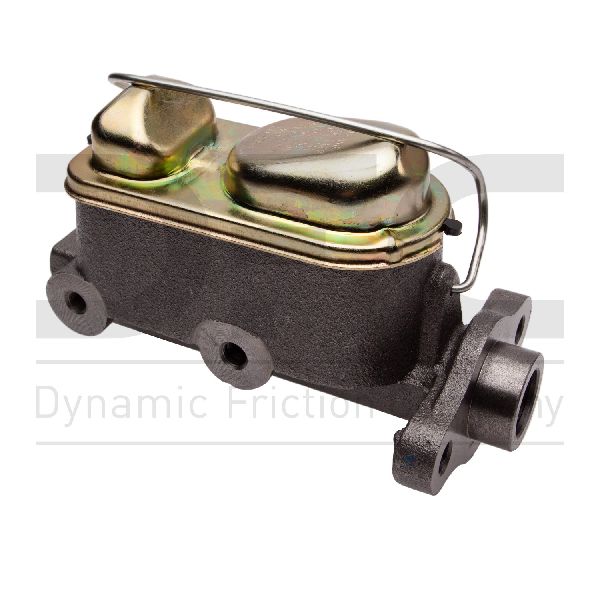
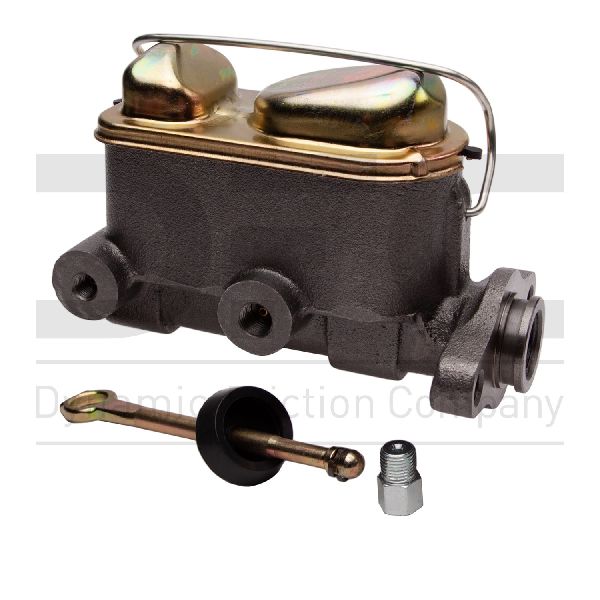
OEM Part Numbers: C70Z2140K C9DZ2140B
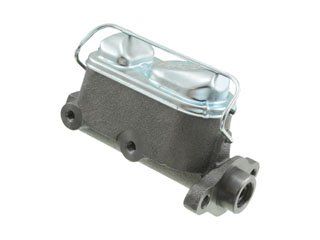
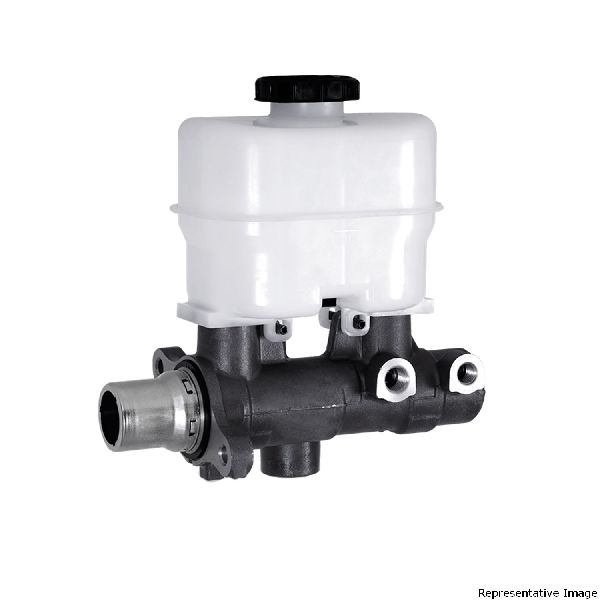
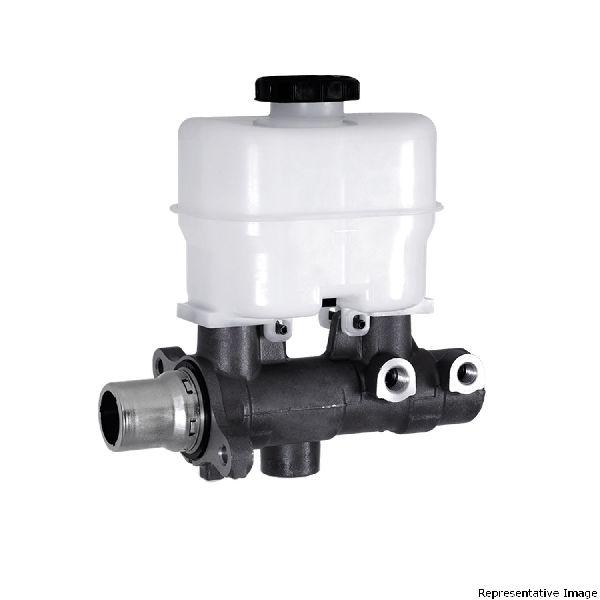
Material: Cast Iron. Reservoir Included: Yes. Number of Outlets: 2. Fluid Type: DOT 3. Bore size varies by application (manual vs. power, disc vs. drum).
We Have This Part in Stock

The information in this article is provided for general reference and educational purposes only. Vehicle specifications, procedures, and part compatibility can vary by production date, trim level, and region. Always consult your vehicle's factory service manual and verify part numbers before purchasing or performing repairs. Safety-critical components such as airbags, seat belts, and braking systems should be installed by a qualified professional.