

A Cougar Owner's Guide to the 1967-1978 Ignition Coil
Keep your classic Cougar's V8 running strong by understanding its most critical spark component.
- You must identify if your Cougar has a points-style or electronic ignition before buying a coil.
- For most stock restorations, a standard replacement coil from a brand like Standard Ignition or NGK is the best choice.
- Performance coils from MSD or Accel are best for modified engines and may require other ignition system upgrades.
- Replacing the ignition coil is a very simple DIY task that most owners can complete in under 30 minutes.
Symptoms of a Failing Ignition Coil
An ignition coil on a classic car like the 1967-1978 Cougar rarely fails suddenly. It usually gives warning signs. If your coil is getting weak, you might notice your engine is hard to start, especially when cold. Other common symptoms include engine misfires, which can feel like a jerking or sputtering, a rough idle, and overall sluggish performance. You may also experience engine stalling, sometimes intermittently, which can be a safety hazard. In some cases, a bad coil can even cause backfiring, where unburnt fuel ignites in the exhaust.
Points vs. Electronic: Know Your Cougar's Ignition
The most critical factor when buying a new ignition coil for your 1967-1978 Cougar is knowing which ignition system you have. Ford began phasing out the traditional points-style ignition in favor of the more reliable DuraSpark electronic ignition around the mid-1970s.
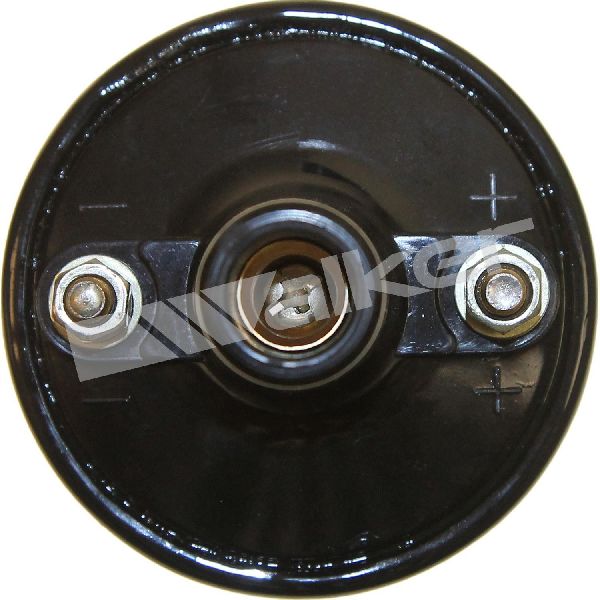
- Points-Style Ignition (Typically 1967-1974): These systems use mechanical contact points in the distributor to trigger the coil. They require a specific type of oil-filled canister coil that is designed to work with an external ballast resistor. Using the wrong coil can burn out your points quickly.
- Electronic Ignition (Typically 1975-1978): These systems use a magnetic pickup and an ignition module instead of points. They generally use a higher-energy, epoxy-filled coil that does not always require a ballast resistor. These systems provide a more reliable and powerful spark.
Pro Tip: Many older Cougars have been upgraded from points to an aftermarket electronic system (like Pertronix or MSD). Always visually inspect your distributor and coil setup before ordering a replacement part. A points distributor will have a small, mechanical set of contacts inside the cap, while an electronic one will have a magnetic pickup module.
Choosing the Right Aftermarket Coil
For a vehicle of this age, high-quality aftermarket parts are often the best and only choice, as original OEM parts are long discontinued. The brands available offer different tiers of performance and quality.
Aftermarket Brand Tiers
| Tier | Brands | Best For |
|---|---|---|
| Performance Upgrade | Accel, MSD | Owners with modified engines seeking a hotter, more powerful spark. These often work best when paired with other ignition upgrades from the same brand. MSD is often preferred in forums for reliability over Accel. |
| Standard OE-Style Replacement | Standard Ignition, NGK, Spectra | The majority of owners who want a reliable, stock-performing part for a daily driver or original restoration. These are designed to meet or exceed the original factory specifications. |
| Economy | WAI Global, Walker Products | Budget-conscious repairs to get the vehicle running. While functional, they may not offer the same longevity or peak performance as higher-tiered brands. |
Known Issues, Recalls, and TSBs
There are no specific recalls or Technical Service Bulletins (TSBs) from the NHTSA directly related to the ignition coil for the 1967-1978 Mercury Cougar. Any recalls for vehicles of this era are generally for broader safety issues like seat belts or, in one case, an aftermarket fuel filter. Most problems are age-related, such as cracked wiring, poor connections at the coil terminals, or failure of the original pink resistor wire that feeds power to the coil.
Frequently Asked Questions
Do I need a ballast resistor with my new coil?
If your Cougar has a points-style ignition, you almost always need a ballast resistor. It reduces the voltage to the coil during normal operation to prevent the points from burning out. If you are using a coil designed for an electronic ignition, or a CD (Capacitive Discharge) ignition box like an MSD 6AL, you typically do not use a ballast resistor. Always follow the coil manufacturer's instructions.
What's the difference between an oil-filled and epoxy-filled coil?
Traditional canister coils are filled with oil to help dissipate heat. This was the standard for decades. Modern performance coils are often epoxy-filled, which offers better vibration resistance and heat control, especially when mounted in non-traditional positions. For a stock Cougar, a quality oil-filled canister is perfectly adequate.
Can I use a high-performance coil with my stock engine?
Yes, but you may not see a significant benefit. A performance coil's main advantage is providing a strong spark at high RPMs and under high cylinder pressures, which is most beneficial for modified engines. For a stock engine, a quality standard replacement coil provides more than enough spark for reliable operation.
How do I test my old ignition coil?
You can perform a basic test with a multimeter. You'll measure the resistance of the primary and secondary windings. The primary resistance (between the + and - terminals) should be very low, typically between 0.7 and 1.7 ohms. The secondary resistance (between the - terminal and the center high-tension tower) will be much higher, usually in the range of 7,000 to 15,000 ohms. Check a service manual for your specific coil's specifications, as an out-of-spec reading indicates a bad coil.
Technical Specifications
OEM Part Numbers: B6A-12029 C4DZ-12043-A
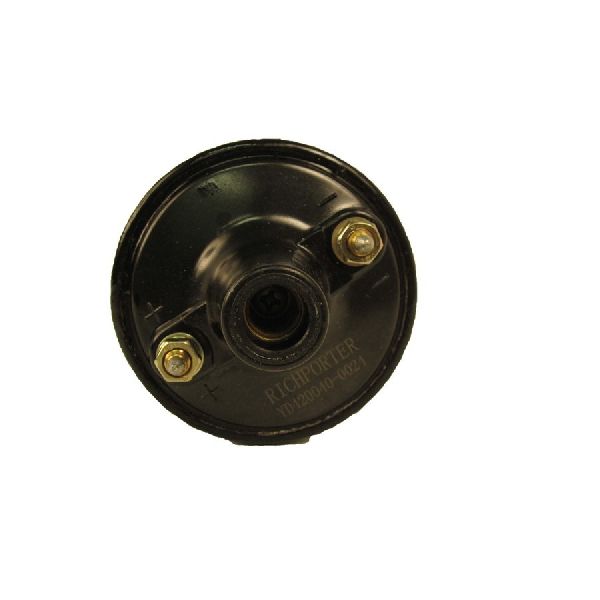
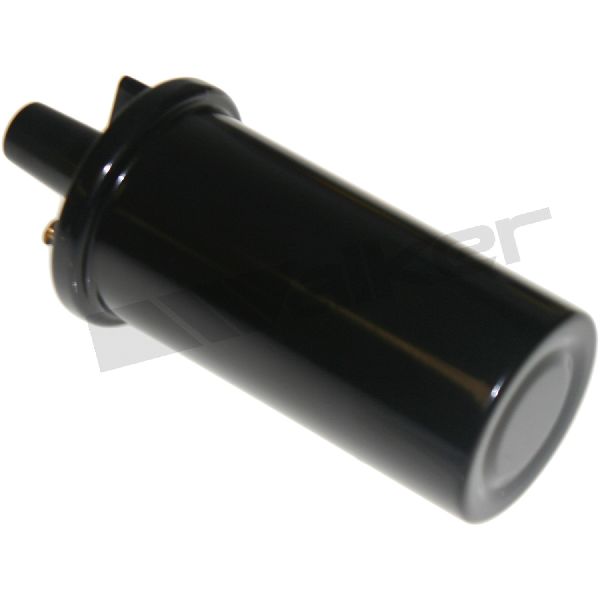
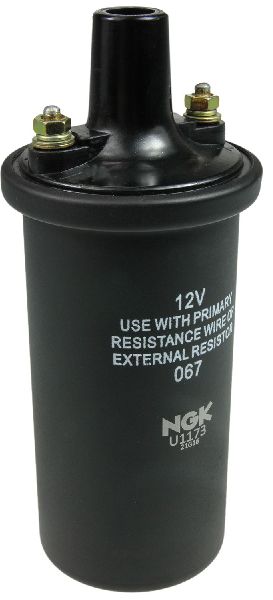
Canister-style, oil-filled coil. Requires external ballast resistor for points-style ignition systems. Primary resistance typically ~1.5 Ohms, Secondary resistance ~9-12k Ohms for stock applications.
We Have This Part in Stock


The information in this article is provided for general reference and educational purposes only. Vehicle specifications, procedures, and part compatibility can vary by production date, trim level, and region. Always consult your vehicle's factory service manual and verify part numbers before purchasing or performing repairs. Safety-critical components such as airbags, seat belts, and braking systems should be installed by a qualified professional.