

Choosing the Right Aftermarket Disc Brake Pads for Your 1967-1978 Oldsmobile Cutlass
Get the modern stopping power and quiet performance you expect from your classic Oldsmobile.
- First, you must verify that your Cutlass has front disc brakes, as they were optional on many models from 1967-1972.
- Modern aftermarket pads from brands like Wagner, Bosch, and Hawk are significant upgrades over the original 1970s technology.
- Choose a pad material based on your needs: semi-metallic for all-around performance, or ceramic for quiet, low-dust cruising.
- When replacing pads, always inspect the calipers for seizure and the rubber brake hoses for deterioration, as these are common failure points on older GM vehicles.
Is Your Cutlass Equipped with Disc Brakes?
Before buying parts, you must confirm your car has front disc brakes. Many Oldsmobile Cutlass models from 1967-1972 came standard with four-wheel drum brakes. Front disc brakes were an option. If you buy disc brake pads for a car with drum brakes, they will not fit. Look through your wheel spokes: a disc brake system has a visible metal rotor and a caliper that clamps over it, while a drum brake looks like a covered metal drum.
Symptoms of Worn Brake Pads
Worn brake pads are a safety hazard. If you notice any of these signs, it's time for an inspection:
- Squealing or Screeching: Many pads have a small metal tab called a wear indicator. When the pad is thin, this tab scrapes the rotor and makes a high-pitched noise.
- Grinding Noises: A loud, metallic grinding sound means the pad material is completely gone. You are hearing metal-on-metal contact between the caliper and rotor, which is extremely dangerous and can cause brake failure.
- Longer Stopping Distances: If your car takes longer to stop than it used to, your pads may be worn out or contaminated.
- Pulling to One Side: If the car pulls left or right when braking, it could mean one side's brakes are not working as well as the other. This can be caused by a stuck caliper piston or a bad brake hose.
Choosing the Right Aftermarket Brake Pad
For a classic car like the 1967-1978 Cutlass, "new OEM" pads are no longer produced by GM. However, modern aftermarket pads often use technology that is far superior to what was available in the 1960s and 70s. Your choice depends on your driving style and budget.
Brake Pad Material Types
- Semi-Metallic: This is the most common type for classic cars. They offer a great balance of stopping power, durability, and heat resistance. They are a significant upgrade over original organic pads and are suitable for most driving situations. Expect more brake dust than ceramic options.
- Ceramic: These pads are known for being quiet, producing very little dust, and being gentle on rotors. While they are a popular modern choice, they may not offer the same initial "bite" as semi-metallic pads in a heavy vehicle without a modern, high-pressure braking system.
- Organic: Made from materials like glass and rubber, these were common on older vehicles. They are quiet but wear out faster and don't handle high heat as well as other types. They are best for owners seeking a 100% original feel for a show car.
Brand Tiers for Your Cutlass
- Daily Driver (Good): Brands like Wagner, Raybestos, and Centric's standard lines offer reliable, affordable performance that meets or exceeds original specifications. They are a solid choice for regular cruising.
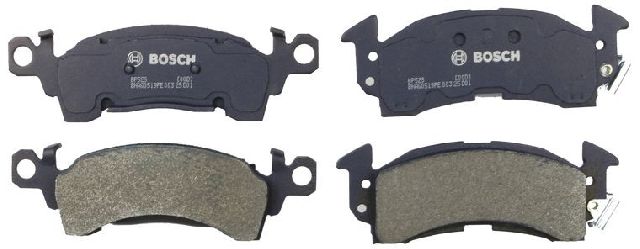
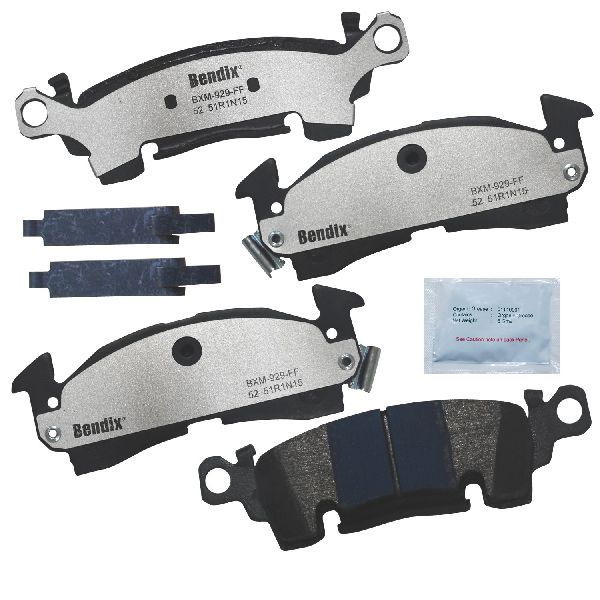
- Premium Daily Driver (Better): Brands like Bosch, Bendix, and Akebono often provide quieter operation and lower dust, sometimes using ceramic formulations. They are a great step-up for a smoother, cleaner braking experience.
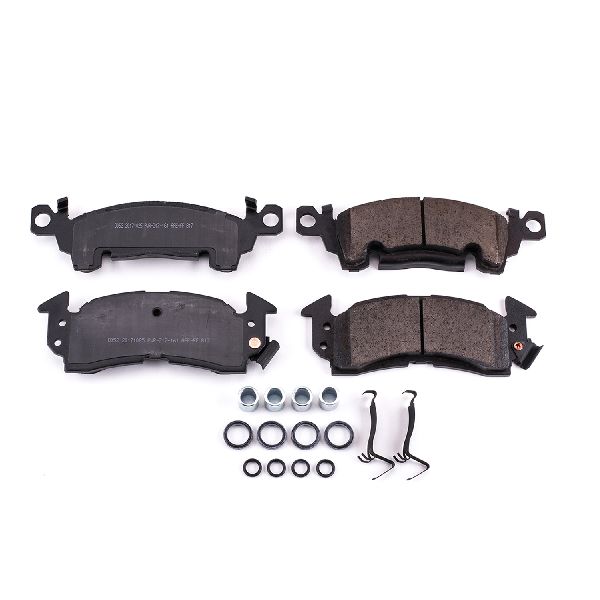
- Performance / Heavy Duty (Best): For modified cars or those who demand maximum stopping power, brands like Hawk Performance, EBC Brakes, and Powerstop are the top choice. These pads are designed for aggressive use and high heat but may produce more noise and dust.
| Item | Estimated Cost |
|---|---|
| New Aftermarket Pad Set | $38.50 - $157.49 |
| Shop Labor | $125 - $250 |
| Total Estimated Cost | $163.50 - $407.49 |
Always inspect your rotors, calipers, and brake hoses when replacing pads. On a vehicle of this age, old rubber hoses can collapse internally, causing brakes to drag or lock up. It is often a good idea to replace these components at the same time.
Frequently Asked Questions
Do I need to replace my rotors with my pads?
It is highly recommended. Old rotors can be worn unevenly or have hard spots from heat. Installing new pads on old rotors can cause noise, vibration, and reduced pad life. For best performance, always install new pads on new or freshly machined rotors.
Why are my new brakes noisy?
New brakes can sometimes be noisy during the first few hundred miles, a period known as "bedding-in." This process mates the new pads to the rotors. Performance-oriented semi-metallic pads can also be noisier than ceramic or organic pads by nature. If noise persists, it could be a sign of improper installation or a hardware issue.
What are common problems with the Cutlass brake system?
Besides normal wear, the single-piston calipers used on these cars can sometimes seize, causing the brakes to drag. Furthermore, the flexible rubber brake hoses can deteriorate over time, collapsing internally and trapping pressure, which also leads to dragging brakes. It's wise to inspect these parts whenever you service your brakes.
Are there any recalls for the 1967-1978 Cutlass brakes?
While the NHTSA database shows recalls for the Oldsmobile Cutlass, most are for newer model years or for issues not directly related to front brake pads, such as rear spindle bolts or master cylinders on specific years. There are no active recalls for aftermarket replacement pads.
Technical Specifications
OEM Part Numbers: N/A
Fitment varies significantly by year and whether the vehicle was originally equipped with disc brakes. The most common GM caliper for this era is the D52 single-piston type. Always confirm fitment using your vehicle's specific year and model information before purchasing.
We Have This Part in Stock
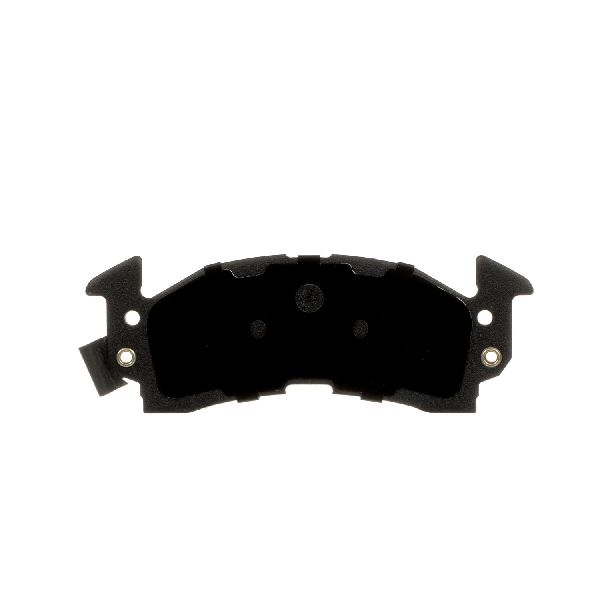
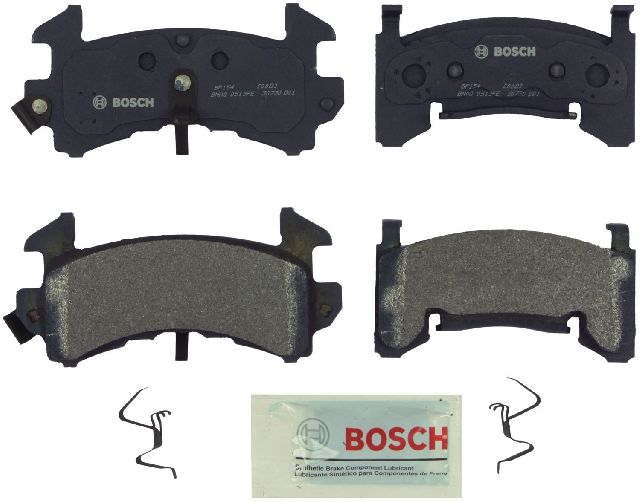

The information in this article is provided for general reference and educational purposes only. Vehicle specifications, procedures, and part compatibility can vary by production date, trim level, and region. Always consult your vehicle's factory service manual and verify part numbers before purchasing or performing repairs. Safety-critical components such as airbags, seat belts, and braking systems should be installed by a qualified professional.