

Suspension Stabilizer Bar Bushing Kit Guide for 1967-1979 Buick Electra
Eliminate suspension clunks and restore the smooth, controlled ride your classic Buick Electra was known for.
- You must measure your stabilizer bar's diameter before ordering to ensure a correct fit.
- Symptoms almost always include clunking over bumps and increased body lean in turns.
- Replacing the bushings is a simple, DIY-friendly job that can be done with basic hand tools.
- Consider upgrading to polyurethane bushings for improved handling and durability.
Is Your Electra Making Clunking Noises?
Worn stabilizer bar bushings are a very common issue on older vehicles. The original rubber simply dries out, cracks, and shrinks over decades of use. When the bushings fail, the stabilizer bar becomes loose in its mounts. This leads to noticeable symptoms that can affect your car's ride quality and safety.
Common Symptoms of Failure:
- Clunking or Rattling Sounds: This is the most frequent complaint. You'll hear a distinct clunk, knock, or rattle from the front end when driving over bumps, uneven roads, or turning into a driveway. This is the sound of the loose sway bar moving and hitting other suspension components.
- Excessive Body Roll: Your Electra will lean more heavily into turns, feeling less stable and more 'wallowy' than usual. This happens because the worn bushings prevent the stabilizer bar from effectively resisting the car's body roll.
- Poor Steering Response: The steering may feel loose, vague, or less responsive. Worn bushings can introduce play into the suspension system, which you'll feel through the steering wheel.
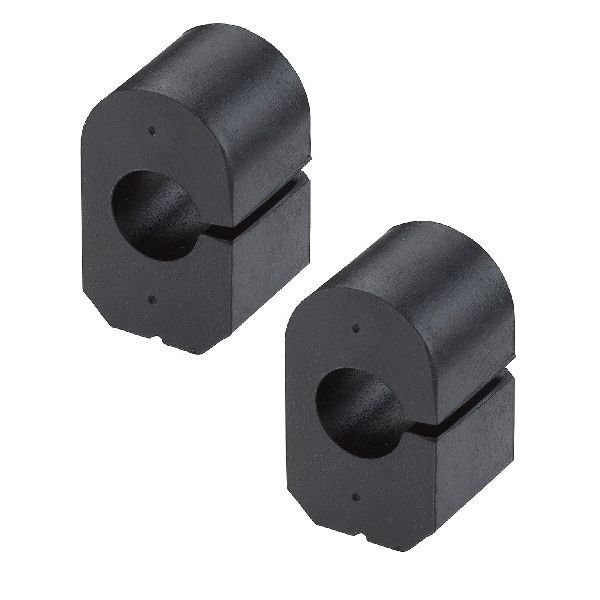
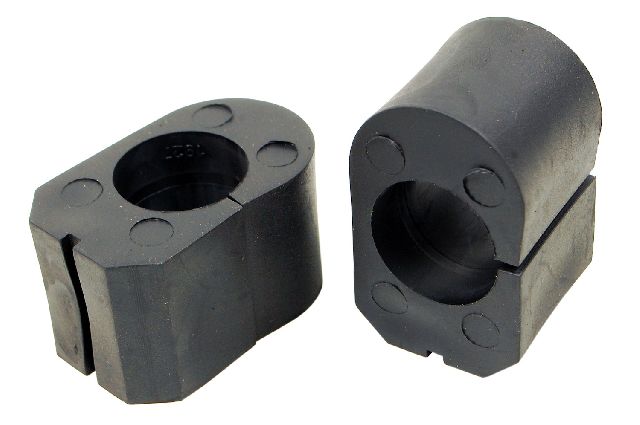
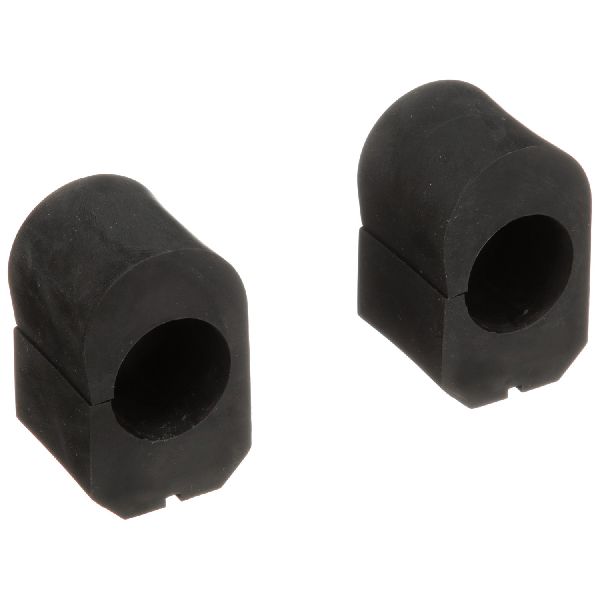
- Visible Wear: You may be able to see that the rubber bushings are cracked, deformed, or have pieces missing. A quick visual inspection can often confirm the problem.
Pro Tip: Check Your Bar Diameter
The 1967-1979 Buick Electra was built on GM's B-body and C-body platforms, which saw changes in 1971 and a major downsizing in 1977. Different model years and option packages came with different diameter stabilizer bars. Before ordering a new kit, you MUST measure the diameter of your car's stabilizer bar with a caliper to ensure you buy the correct size bushings. This is the most common ordering mistake.
Choosing the Right Aftermarket Bushing Kit
Since new original equipment (OEM) GM parts for this era are long discontinued, the aftermarket is your only option. Fortunately, modern aftermarket parts often provide an upgrade over the original 1960s and 70s rubber technology.
Brand Quality Tiers
Based on owner experiences and general market reputation, available brands can be grouped into tiers:
- Premium / Heavy-Duty (Moog, Delphi): Brands like Moog have a long-standing reputation, with their "Problem Solver" line often featuring improvements like greaseable fittings. While some forum users feel Moog's quality isn't what it once was, it is still generally considered a reliable choice. Delphi is a major OEM supplier and is known for producing parts that meet or exceed original specifications.
- Standard / Mid-Grade (Mevotech, Dorman): These brands offer a balance of price and quality. They are often a good value for a daily driver. Mevotech and Dorman sometimes have multiple product lines, with their higher-end offerings being quite good, but their base-level parts are built to a price. For a component like a bushing, they are generally considered adequate.
- Economy (QuickSteer): This brand typically competes on price. For a classic car that may not see daily use, this can be a perfectly acceptable option to get the job done on a budget.
Material Matters: Rubber vs. Polyurethane
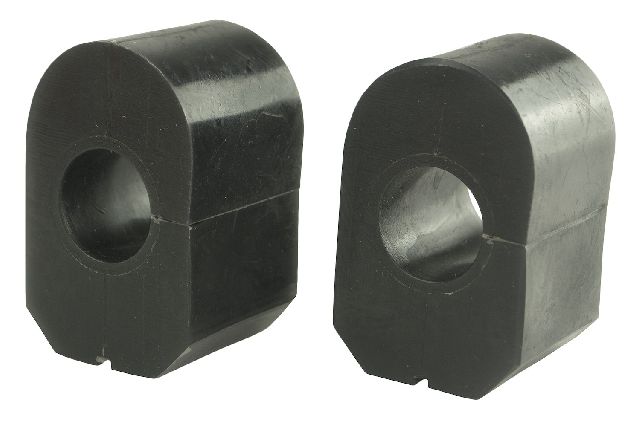
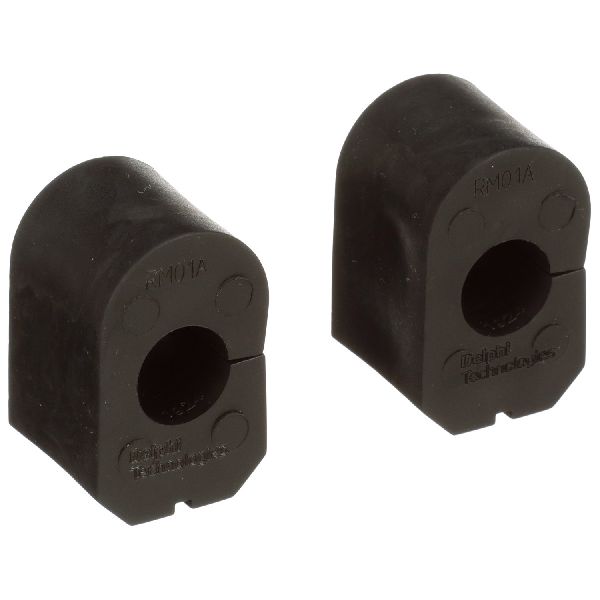
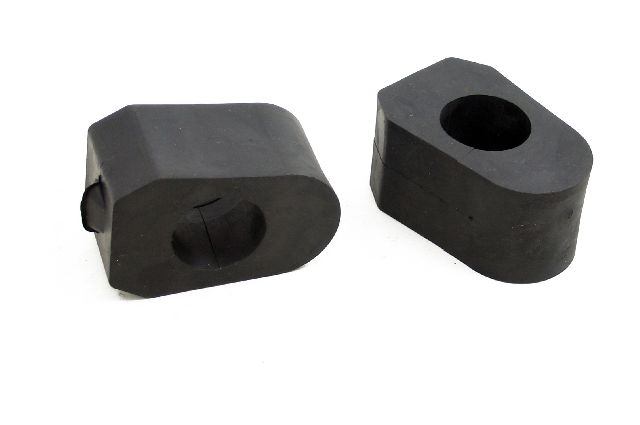
You will find kits made from standard rubber or modern polyurethane. Polyurethane is a type of plastic that is much firmer and more durable than rubber. Upgrading to polyurethane bushings is a popular choice for classic car owners as it can provide a noticeable improvement in handling and steering response. However, this firmness can also transmit slightly more road noise and vibration into the cabin compared to soft rubber.
| Item | Price Range |
|---|---|
| New Aftermarket Bushing Kit (All Brands) | $7.98 - $21.13 |
| Estimated Shop Labor | $100 - $200 |
Frequently Asked Questions
Do I need any special tools for this job?
No, this is a straightforward job. You will need a basic socket and wrench set, a tape measure or caliper to verify your bar diameter, and potentially some spray lubricant to help remove old bolts and slide the new bushings on. A pry bar can be helpful to check for play in the old bushings.
Should I replace the sway bar end links at the same time?
Yes, it is highly recommended. The end links also have bushings that wear out and can cause similar clunking noises. Since you will likely have to disconnect the end links to replace the frame bushings, replacing them at the same time is efficient and ensures the entire stabilizer bar system is new and tight.
Are there any recalls or TSBs for my Electra's sway bar bushings?
No. Searches of the National Highway Traffic Safety Administration (NHTSA) database and for Technical Service Bulletins (TSBs) did not show any specific recalls or bulletins related to the stabilizer bar bushings for the 1967-1979 Buick Electra. Any failure is due to the age and normal wear of the components.
What's the difference between rubber and polyurethane bushings?
Rubber bushings provide a softer, quieter ride, similar to how the car felt from the factory. Polyurethane bushings are much firmer and more durable. They offer sharper handling and a more connected feel but may transmit slightly more vibration. For owners looking to improve handling, polyurethane is often considered an upgrade.
Technical Specifications
The most critical specification is the diameter of the stabilizer bar. This must be measured with a caliper or precise tape measure before ordering, as multiple sizes were used across the 1967-1979 model years.
We Have This Part in Stock

The information in this article is provided for general reference and educational purposes only. Vehicle specifications, procedures, and part compatibility can vary by production date, trim level, and region. Always consult your vehicle's factory service manual and verify part numbers before purchasing or performing repairs. Safety-critical components such as airbags, seat belts, and braking systems should be installed by a qualified professional.