

Ford Ranchero Starter Motor Guide: 1967-1979 Models
Everything you need to know before buying a new starter for your classic Ford Ranchero.
- A common failure mode for 1967-1979 Rancheros is "heat soak," where the starter fails to crank a hot engine.
- Upgrading to a modern, high-torque mini-starter from a brand like Powermaster or MSD can solve heat soak and provide more power for modified engines.
- Verify your exact engine (e.g., 351W vs. 351C) and transmission type before ordering, as starter fitment varies.
- Symptoms of failure include clicking, slow cranking, grinding noises, or no response when turning the key.
Is Your Ranchero's Starter Failing?
A bad starter on a 1967-1979 Ford Ranchero doesn't always fail suddenly. Usually, it gives you warning signs. Recognizing these signs can prevent you from being stranded. If you turn the key and hear a single, loud click or a series of rapid clicks, it's a classic sign the starter solenoid is trying to work but the motor isn't turning. Another common symptom is a slow, sluggish engine crank, where the engine sounds labored as it tries to turn over. In some cases, you might turn the key and hear nothing at all, or you could hear a grinding noise, which indicates a gear problem.
The "Hot Start" Problem: A Classic Ford Issue
A very common issue for Fords of this era is "heat soak." This happens when the starter and its solenoid, located near the hot exhaust manifold, get too hot. The heat increases electrical resistance, making the starter too weak to crank a warm engine. You might find the truck starts fine when cold, but after a drive, it will only click or crank very slowly until it cools down. Upgrading to a modern high-torque starter or adding a heat shield is a common and effective solution.
Choosing the Right Aftermarket Starter
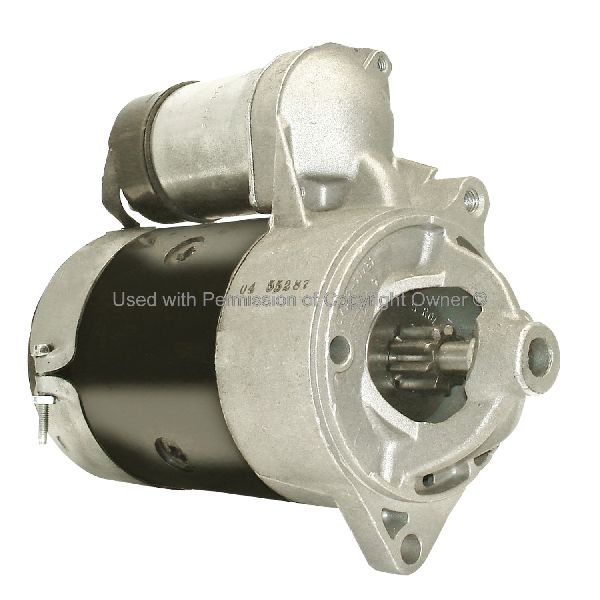
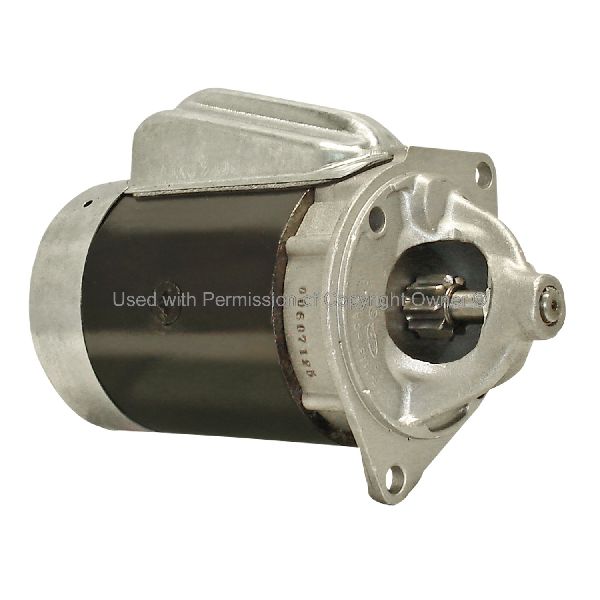
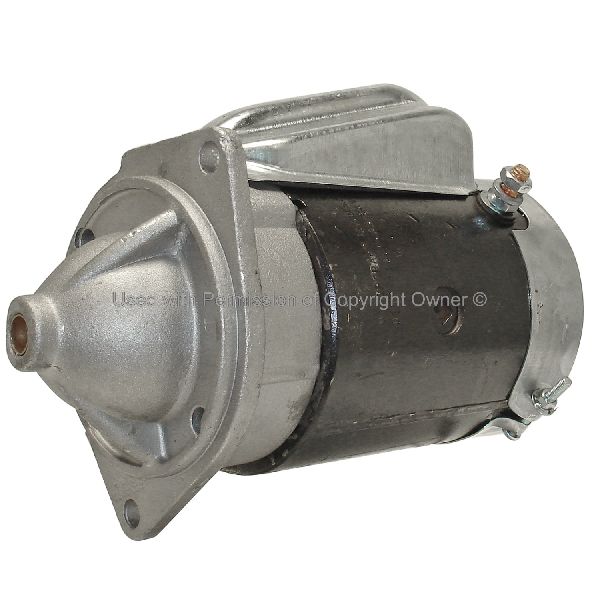
For a classic vehicle like the Ranchero, you have options ranging from standard replacements to high-performance upgrades. Original Ford starters for these vehicles were large and heavy. Many modern aftermarket options are smaller, lighter, and more efficient, known as mini-starters or gear-reduction starters.
Standard Replacement vs. High-Torque Starters
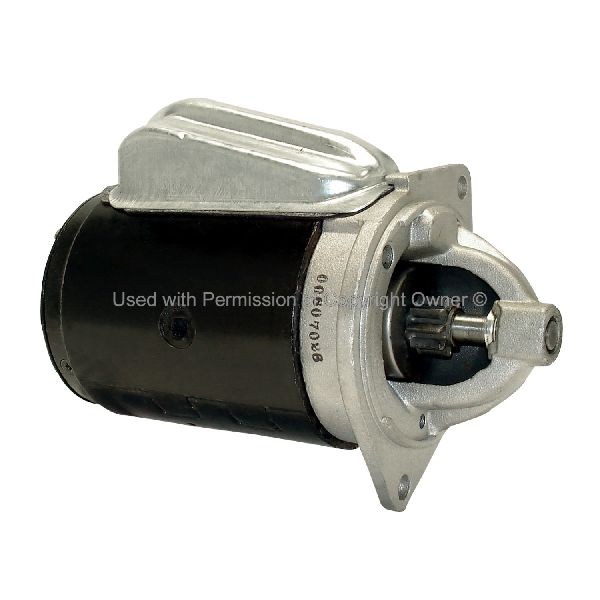
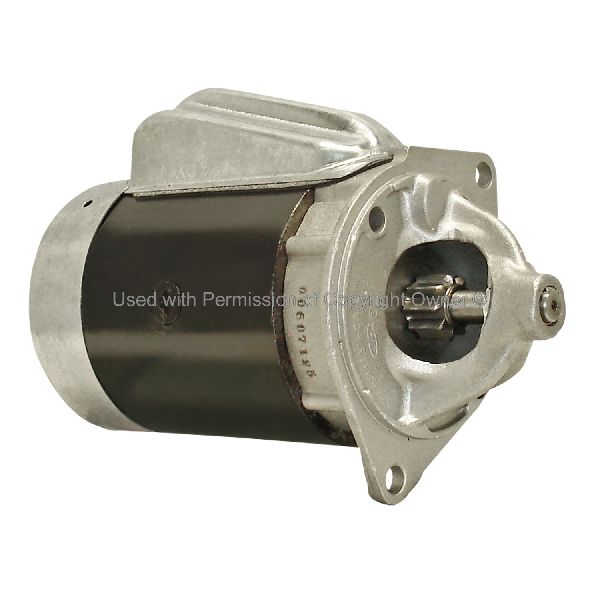
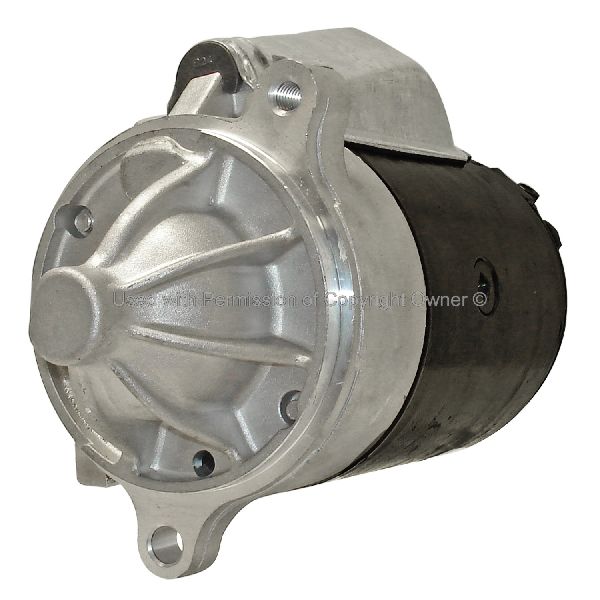
- Standard Replacement Starters: Brands like MPA and Proform offer direct-fit starters that are a good choice for stock, unmodified engines. They are affordable and get the job done for daily driving. ACDelco, while a GM brand, also produces quality replacement starters for Ford vehicles that are known for reliability.
- High-Torque & Performance Starters: If you have a modified engine with higher compression, or if you want to solve the heat soak problem for good, a high-torque starter is the best choice. Brands like Powermaster, MSD, and Ford Performance specialize in these. They use a gear reduction design to produce more cranking power with less electrical draw, making them more efficient and better at starting hot engines.
A Note on Fitment
The 1967-1979 Ranchero used various engines (including the 302, 351W, 351C, 429, and 460). Starters can differ based on the engine and transmission (manual vs. automatic). A common mistake is mixing up starters for a 351W (Windsor) and a 351M/400, as they look similar but have different mounting bolt configurations. Always verify your engine type before ordering.
New Aftermarket Starter Cost for 1967-1979 Ford Ranchero
| Part Tier | Price Range | Notes |
|---|---|---|
| Standard Replacement (MPA, Proform, ACDelco) |
$59 - $150 | Good for stock engines and daily drivers. |
| High-Performance / High-Torque (Powermaster, MSD, Ford Performance) |
$180 - $392 | Recommended for modified engines, high compression, or to solve heat soak issues. |
Frequently Asked Questions
Is it hard to replace the starter on a 1967-1979 Ranchero?
For a DIY mechanic, it's a manageable job. It's typically held on by two or three bolts and is located where the engine meets the transmission. Access can be tight, especially with aftermarket headers, which may need to be loosened or moved. Always disconnect the battery before starting work.
Do I need a special starter for my engine with headers?
Yes, it's highly recommended. Headers produce more heat and are often closer to the starter than stock manifolds, which worsens heat soak. A high-torque mini-starter is physically smaller, providing more clearance, and a heat shield or thermal wrap is a wise investment to protect it.
What's the difference between a starter and a solenoid?
On these classic Fords, the system uses a starter relay (often called a solenoid) mounted on the fender, and the starter motor itself on the engine. The fender relay takes the signal from the key and sends the high current to the starter motor. A clicking sound from the fender but no action at the starter often points to a bad relay, while a click from the starter motor itself points to a bad starter.
Are remanufactured starters a good option?
While this guide focuses on new parts, it's worth noting that the quality of remanufactured starters can vary widely. Some are rebuilt with high-quality components by local specialists and are excellent, while many mass-market remanufactured parts can be unreliable. For peace of mind, a new aftermarket starter with a good warranty is often a safer bet.
Technical Specifications
Fitment varies significantly by engine and transmission type. Most small-block Fords (302, 351W) use a two-bolt starter. Big-blocks (429, 460) and 351M/400 engines may use a different design. Aftermarket high-torque starters are often a gear-reduction type, while standard replacements are direct-drive.
We Have This Part in Stock

The information in this article is provided for general reference and educational purposes only. Vehicle specifications, procedures, and part compatibility can vary by production date, trim level, and region. Always consult your vehicle's factory service manual and verify part numbers before purchasing or performing repairs. Safety-critical components such as airbags, seat belts, and braking systems should be installed by a qualified professional.
- 🛍️ Shop This Part
- Is Your Ranchero's Starter Failing?
- The "Hot Start" Problem: A Classic Ford Issue
- Choosing the Right Aftermarket Starter
- Standard Replacement vs. High-Torque Starters
- A Note on Fitment
- New Aftermarket Starter Cost for 1967-1979 Ford Ranchero
- Frequently Asked Questions
- 🎟️ Get 5% Off