

MG Midget Radiator Coolant Hose: A Complete Guide for 1967-1979 Models
Don't let a bad hose leave you stranded; learn how to choose the right replacement for your classic Midget.
- You must correctly identify your engine (1275cc vs 1500cc) to order the correct hoses.
- Symptoms of failure include leaks, overheating, and hoses that are cracked, swollen, or spongy.
- Replacing hoses is a simple, DIY-friendly task that can prevent a major breakdown.
- Modern aftermarket brands like Gates and Dayco are reliable choices; Gates is often preferred for fitment.
Signs of a Failing Radiator Hose
Radiator hoses are wear items. After decades of exposure to heat, pressure, and vibration, the original rubber breaks down. It's wise to inspect them regularly and replace them before they fail. Look for these common symptoms:
- Coolant Leaks: Puddles of green or blue liquid under your car are a sure sign of a leak. A failing hose might leak from its ends or have pinholes. Leaks can be worse when the engine is hot and the system is pressurized.
- Visible Damage: Check your hoses for cracks, splits, or bulging. A swollen or bulging hose is weak and could burst at any time.
- Spongy or Hard Hoses: When you squeeze a cool hose, it should feel firm but pliable. If it feels mushy, spongy, or rock-hard, the rubber is deteriorating and it's time for a replacement.
- Engine Overheating: If your temperature gauge climbs into the red, a failed hose could be the cause. A collapsed lower hose can restrict coolant flow back to the engine, causing it to overheat.
Critical: Know Your Midget's Engine Before You Buy!
The 1967-1979 period covers different engines and cooling systems. Ordering the wrong hose is the most common mistake. You MUST identify your vehicle correctly:
- 1967-1974 MG Midget (1275cc Engine): These models use the A-series engine. Note that even within these years, there was a switch from a vertical-flow radiator to a cross-flow radiator around 1968. Double-check which radiator your car has.
- 1974-1979 MG Midget (1500cc Engine): These later models use a completely different 1500cc engine sourced from the Triumph Spitfire. These require their own specific set of hoses.
Always verify your car's year, engine size, and radiator type before placing an order.
Choosing the Right Aftermarket Hose
For a classic like the MG Midget, new aftermarket hoses often use modern rubber compounds that are more durable than the original parts. Here’s a breakdown of common brands:
Brand Quality Tiers
- Premium Quality (Gates): Gates is a highly respected brand in the automotive world, known for excellent fit and durability. Many mechanics and enthusiasts prefer Gates, considering them to be OE-quality or better. They are a reliable choice for a part you don't want to worry about.
- Standard Quality (Dayco): Dayco is another major manufacturer that produces reliable hoses. While generally good, some users have reported occasional fitment issues compared to Gates. They are a solid, widely available option.
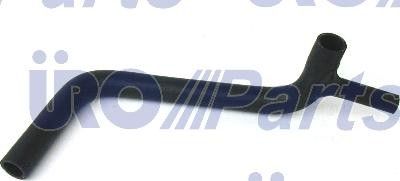
- Economy (URO Parts): URO Parts provides a budget-friendly alternative. While they are functional, some owners in forums express less confidence in this brand for critical parts like coolant hoses compared to Gates or Dayco. They may be a choice if budget is the primary concern.
Estimated Costs for Radiator Hose Replacement
| Part Type | Estimated Cost |
|---|---|
| New Aftermarket Hoses | $9.44 - $31.49 (per hose or in a kit) |
| Shop Labor | $90 - $180 |
Frequently Asked Questions
How often should I replace my MG Midget's radiator hoses?
As a general rule, it's good practice to replace radiator hoses every 4-5 years or whenever you are replacing other cooling system components like the radiator or water pump. For a classic car, proactive replacement is much better than a roadside failure.
Are silicone hoses a better option?
Silicone hoses are a premium upgrade that offer superior durability and temperature resistance compared to standard EPDM rubber hoses. They cost more but can last significantly longer, making them a popular choice for enthusiasts who drive their Midgets regularly or in demanding conditions.
Do I need special tools to replace the hoses?
No, special tools are not required. Basic hand tools like a screwdriver or nut driver for the hose clamps, a pair of pliers, and a drain pan for the coolant are all you should need. The job is very accessible for a DIY mechanic.
What type of coolant should I use in my MG Midget?
For these classic engines, a traditional IAT (Inorganic Additive Technology) coolant, often simply called "conventional green," is the recommended choice. Avoid modern long-life OAT (Organic Acid Technology) coolants (usually orange, pink, or red) as they can be incompatible with the metals used in older cooling systems.
Technical Specifications
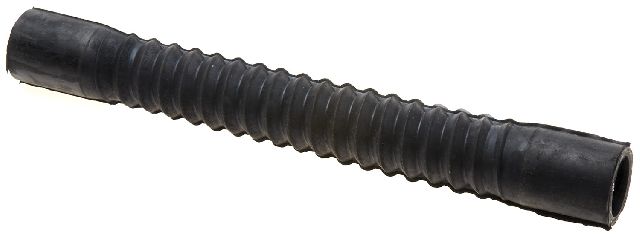
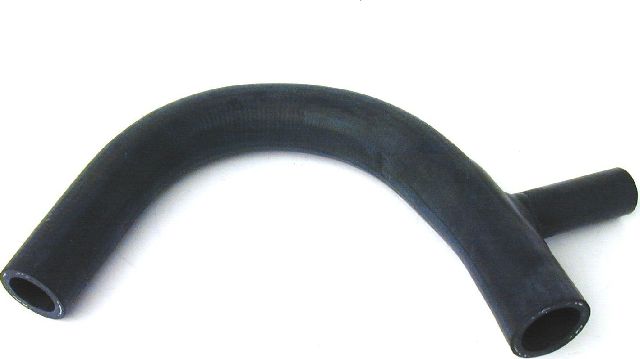
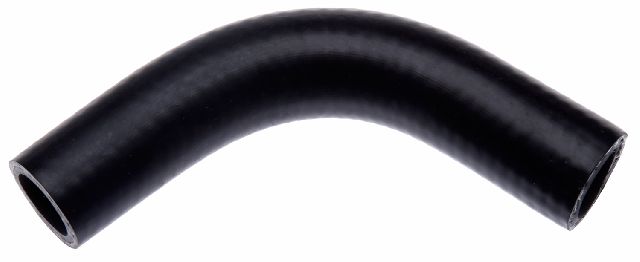
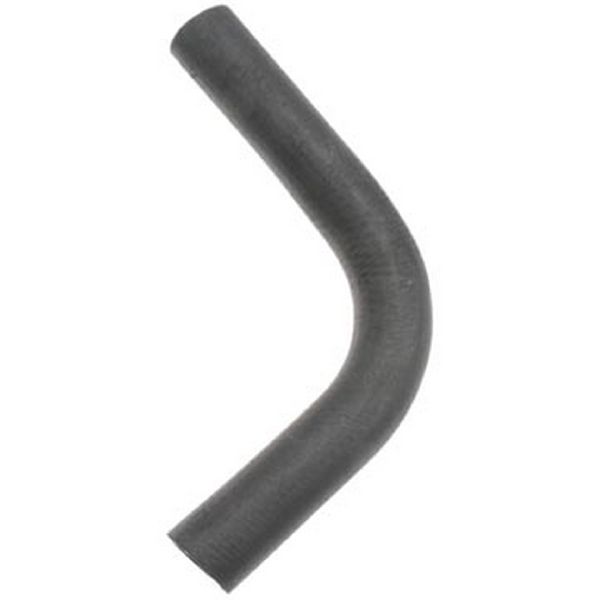
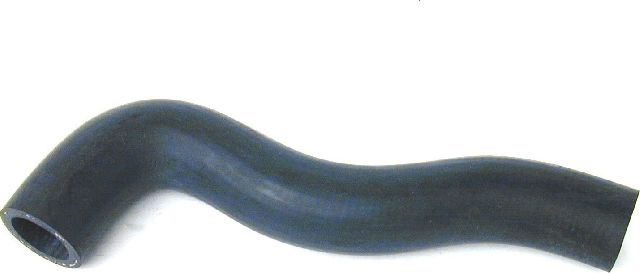
Hose configuration is specific to model year range and engine type (1275cc vs 1500cc). Most aftermarket hoses are made from EPDM rubber to resist heat and electrochemical degradation.
We Have This Part in Stock

The information in this article is provided for general reference and educational purposes only. Vehicle specifications, procedures, and part compatibility can vary by production date, trim level, and region. Always consult your vehicle's factory service manual and verify part numbers before purchasing or performing repairs. Safety-critical components such as airbags, seat belts, and braking systems should be installed by a qualified professional.